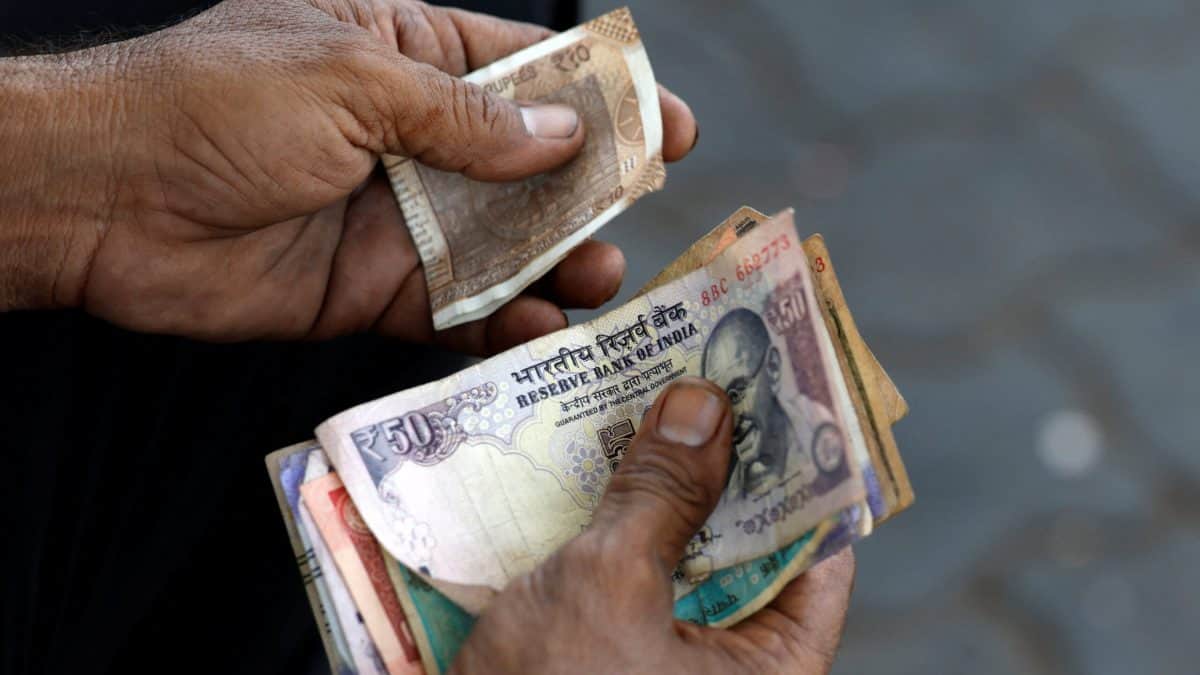
- India has removed a regulatory hurdle that had made it harder for exporters to settle overseas sales in Indian rupees, in a move aimed at expanding the use of the local currency in global trade.
- The Directorate General of Foreign Trade (DGFT) on Thursday amended the Foreign Trade Policy 2023 with immediate effect, bringing rules for rupee export receipts in line with the Reserve Bank of India's foreign-exchange regulations.
- The move could make it easier for Indian exporters to use the rupee in trade with countries that face shortages of dollars and other major foreign currencies.
- Rupee receipts from exports to Nepal and Bhutan are excluded from the new provision and continue to be governed by separate arrangements.
- But the wider use of the rupee will depend on whether overseas buyers can obtain the currency easily and whether banks outside India are willing to hold and transact in it.
India has taken a significant step to enhance the use of the rupee in international trade by amending its Foreign Trade Policy 2023. The Directorate General of Foreign Trade (DGFT) made these changes effective immediately, aligning export receipt rules with the Reserve Bank of India's regulations.2
The amendment allows export contracts, invoices, and payments with countries outside the Asian Clearing Union (ACU) to be settled in either Indian rupees or foreign currencies. This move is particularly beneficial for Indian exporters who have faced challenges due to dollar shortages in various markets.1
However, the broader adoption of the rupee in global trade will hinge on the availability of the currency for overseas buyers and the willingness of foreign banks to transact in it. The DGFT's changes also include provisions that allow eligible export receipts in rupees to qualify for benefits under the Foreign Trade Policy, provided transactions are conducted through authorized banking channels.
It is important to note that rupee receipts from exports to Nepal and Bhutan remain governed by separate arrangements and are excluded from this new provision. This regulatory shift marks a pivotal moment in India's efforts to promote its currency on the global stage, potentially easing trade for exporters in a challenging economic environment.4
“The amendment brings rupee export receipts in line with RBI foreign-exchange regulations, potentially easing trade with countries facing dollar shortages. However, wider rupee adoption hinges on overseas buyers' access to the currency and foreign banks' willingness to hold it, with Nepal and Bhutan excluded from the new provision.”
 Firstpost