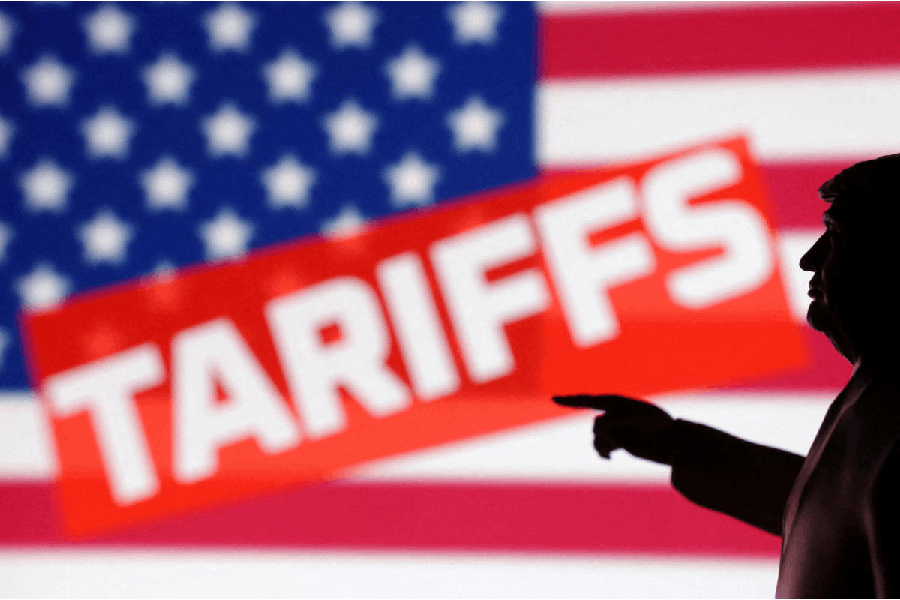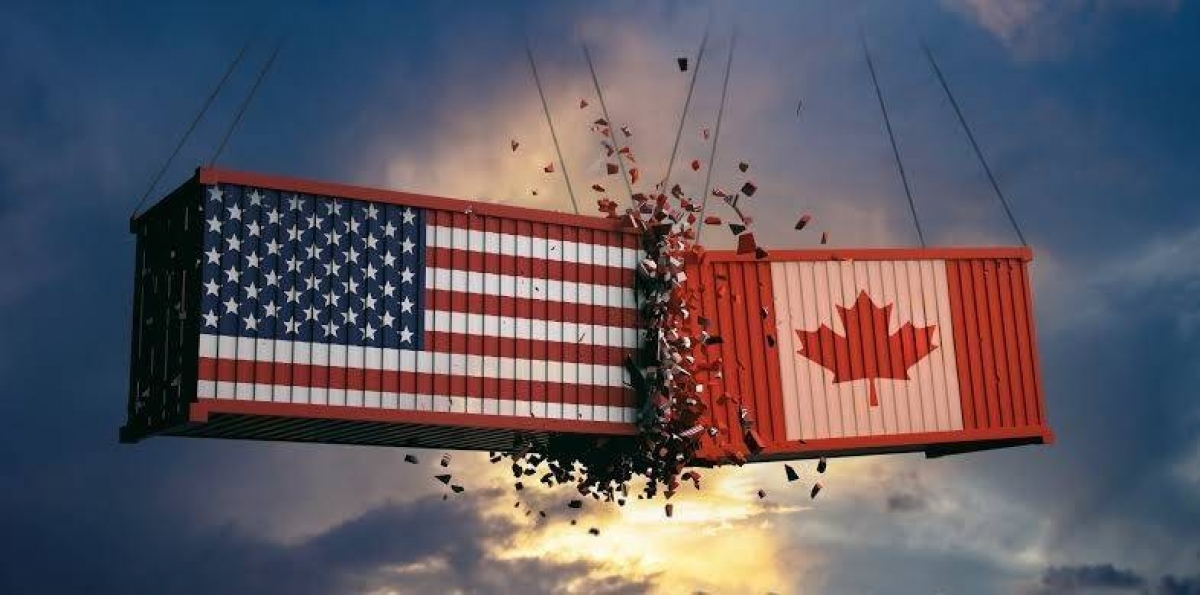
- The US imposed a 50% tariff on Canadian goods worth around $20 billion, effective August 22.
- In response, Canada announced retaliatory tariffs of 15%, 25%, and 50% on over 700 US products worth around $20 billion, effective September 8.
- US doubled tariffs on Canadian automobiles from 25% to 50% starting in 2027.
- Detroit residents and leaders have expressed despair and opposition to the trade war, highlighting the economic pain it causes.
- The trade war has significant implications, as trade in goods and services between the US and Canada totaled $880 billion last year.
- Michigan residents have suffered disproportionately, paying over $3,200 annually for tariffs, which is about 142% more than the rest of the country.
- US Trade Representative Jamieson Greer stated that the US will not sit down and take further retaliation from Canada.
Detroit is reeling from the U.S. decision to double tariffs on Canadian automobiles to 50% starting in 2027, a move that local leaders have condemned as 'insanity.' The tariffs, which follow a failed negotiation, threaten to exacerbate economic challenges in a city already burdened by existing trade barriers.
The U.S. Trade Representative, Jamieson Greer, stated that new demands from Canada disrupted the balance of negotiations, leading to the imposition of tariffs on approximately $20 billion worth of goods. This includes consumer goods, building materials, and healthcare products.12
In response, Canada announced retaliatory tariffs on over 700 U.S. products, totaling $20 billion, effective September 8. Prime Minister Mark Carney emphasized that this was a 'dollar-for-dollar' response to protect Canadian interests.
Local sentiment in Michigan is overwhelmingly against the tariffs, with a June Epic-MRA poll showing 63% of residents opposed to tariffs on Canadian goods, including 35% of Republicans. Nearly 75% of Michiganders believe the tariffs are driving up prices, with residents facing an annual cost of $3,200 due to tariffs.
As tensions escalate, experts warn that the intertwined economies of the U.S. and Canada will suffer significant damage, with the potential for a broader trade war looming. Robert Koopman, a former Chief Economist of the WTO, noted that the uncertainty from tariffs could hinder long-term economic growth more than the tariffs themselves.5
The Detroit-Windsor region, heavily reliant on cross-border trade, is particularly vulnerable, with local leaders urging for a return to normalcy in trade relations.
“Michiganders pay over $3,200 annually in tariffs, 142% more than the rest of the country, and 75% say tariffs fuel high prices. UAW rejects the escalation, while Trump's renaming of Lake Ontario to 'Lake America' further inflames tensions.”





 The Guardian