- Democrats' takeover of Congress and growing Republican unease over Israel could trigger the biggest reassessment of US support for its closest Middle East ally in decades, after an election shaped in part by anger over the Iran war.
- Democrats won both the Senate and House in Tuesday’s midterms. Many winning candidates were progressives who campaigned against military aid to Israel and the US-Israeli war on Iran.
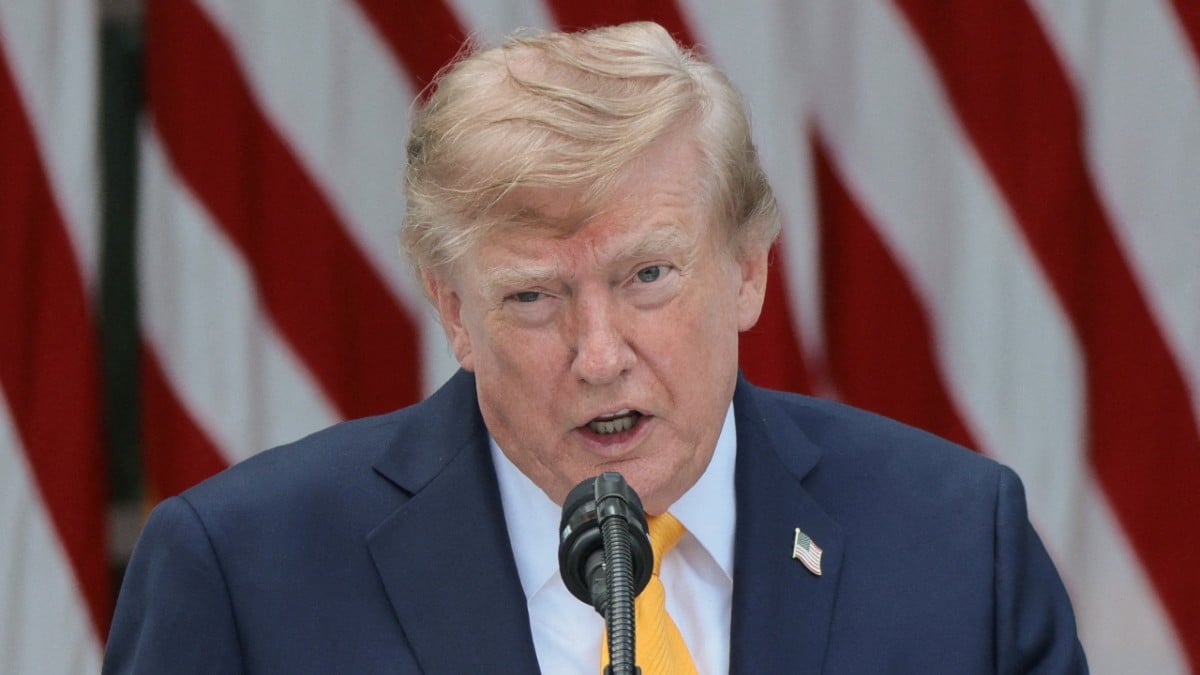
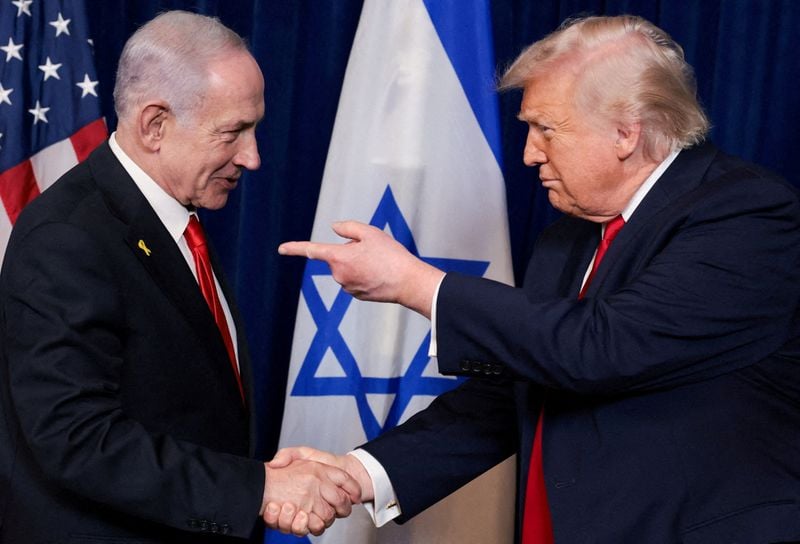
- Trump announced in a Fox News interview that he had made a deal with Netanyahu to end annual security assistance to Israel, but it was unclear he had the legal authority to stop the billions in military aid.
- Israel’s campaign in Gaza and Prime Minister Benjamin Netanyahu’s embrace of President Donald Trump and other Republicans had already strained decades of bipartisan support for Israel.
- In September, 46 of the 47 members of the Senate Democratic caucus voted for a resolution to force Trump’s administration to report to Congress on increasing violence against Palestinians by Israeli settlers in the West Bank.
- Democratic control could bring greater scrutiny of military aid and West Bank violence, along with hearings and challenges to Trump nominees, although the president’s veto limits the party’s ability to force major policy changes.
- Democratic Senator Chris Van Hollen of Maryland has led attempts to put human rights conditions on Israel aid, saying there should not be an 'Israel exception.'
- Policy toward Israel has emerged as a generational divide in US politics, with younger voters feeling the country has been too supportive of Israel.
- The election result could see 'weird bedfellows of left and right come together in condemnation of Israel,' said Price Floyd, a former US official and senior adviser with Argyll Strategy.
Democrats' control of Congress could lead to a significant reassessment of U.S. support for Israel, particularly as many newly elected progressives oppose military aid. This shift comes amid rising tensions over the Iran war and Israel's actions in Gaza.
The election results reflect a growing divide in U.S. politics regarding Israel, with younger voters increasingly questioning the extent of support for the nation. “We need to make sure that we apply our laws and international law and our policies uniformly across the board when it comes to the actions of countries,” stated Democratic Senator Chris Van Hollen, advocating for human rights conditions on aid.79
Despite the Democratic majority, their power is limited. Trump has vowed to use his veto power against any significant policy changes, and the party may struggle to override his decisions. “Mr. Veto” could hinder efforts to scrutinize military aid and West Bank violence, as seen when 46 of 47 Senate Democrats supported a resolution addressing violence against Palestinians, which Republicans blocked.
Trump's recent claim of a deal with Netanyahu to end U.S. military assistance raises further questions about future aid, although his legal authority to do so remains unclear. The evolving political landscape may lead to unexpected alliances, as noted by former U.S. official Price Floyd, who suggested that “weird bedfellows of left and right come together in condemnation of Israel.”
“Democratic control could bring greater scrutiny of military aid and West Bank violence, though Trump's veto power limits major policy shifts. In September, 46 of 47 Senate Democrats backed a resolution on settler violence, and Senator Chris Van Hollen said there should not be an 'Israel exception.'”