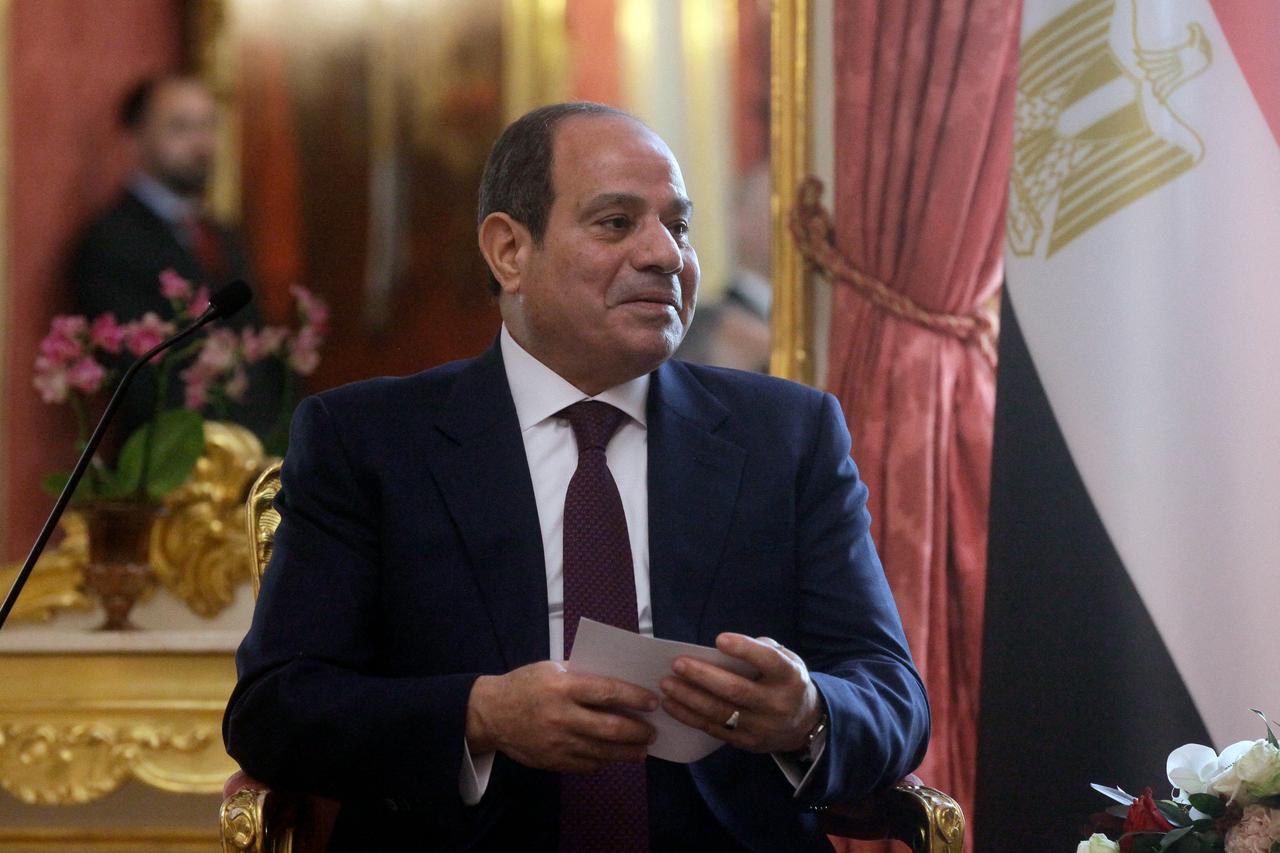
- Trump admitted the war in Iran was partly to blame for the Republicans’ losses, and Vice President JD Vance said “the reason we lost is the war.”
- Iran offered to open the Strait of Hormuz within two days if Trump agreed to its seven conditions.
- Democrats swept both chambers of Congress in a 'blue tsunami'.
- Iran is celebrating Trump’s midterm setback, but it is bracing for what comes next: a possible new US strike or a fresh push for a deal.
- Israel reacted with alarm to Trump’s abrupt cut of US military aid and the Democrats’ sweeping congressional wins, fearing loss of intelligence sharing.
- Analysts see Trump as facing a stark choice on Iran: a face-saving deal or military escalation.
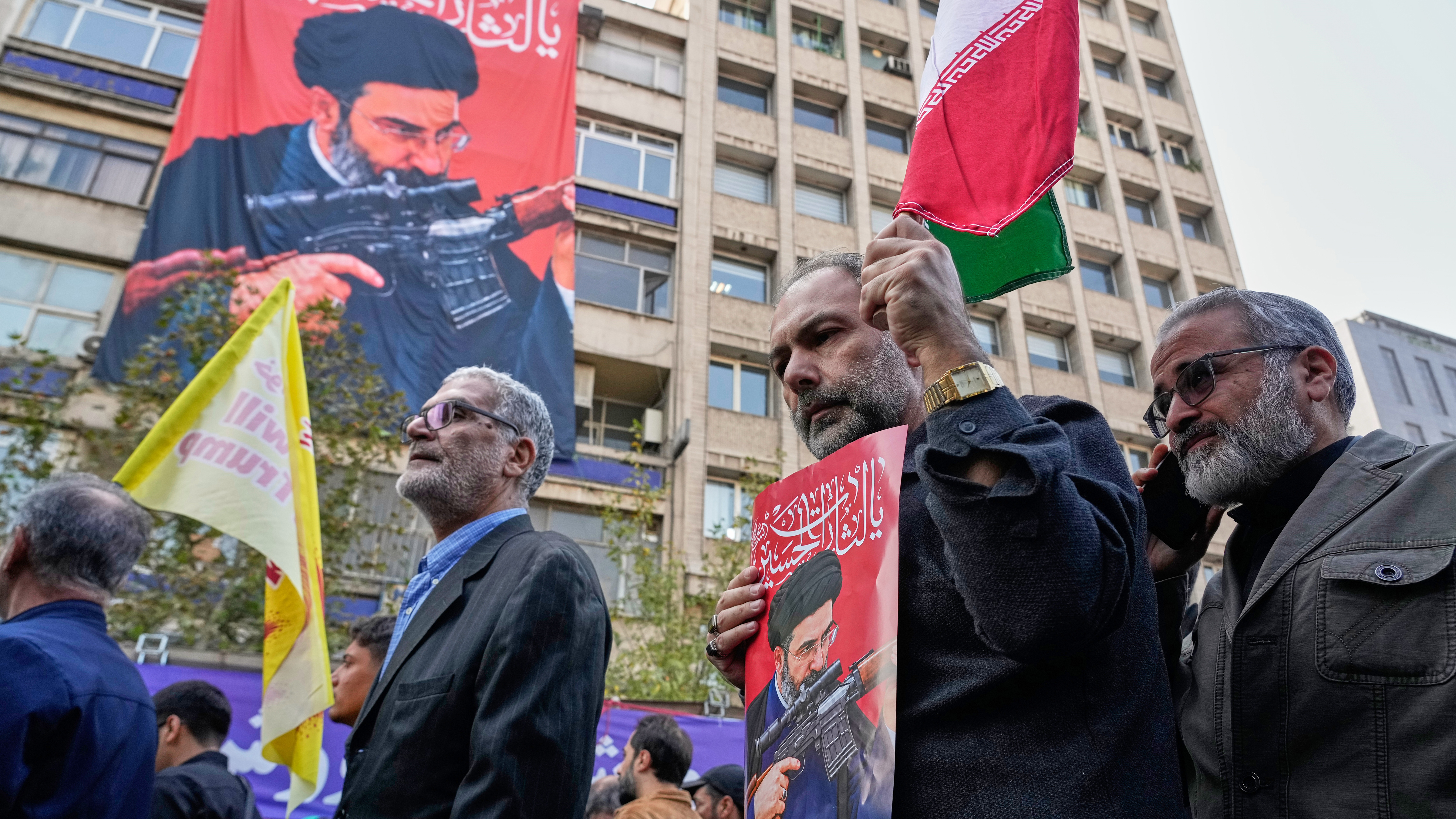
- Supreme Leader Mojtaba Khamenei said election results will not shift US policy, as Iran prepares for more war while intensifying diplomacy.
- Ukraine pledged to maintain stable relations regardless of US leadership and seek Patriot interceptors.
- Democrats could curb the Iran war by cutting defense spending or holding up nominations to pressure Trump to obtain congressional authorization.
- Democrats could approve new aid to Ukraine, which likely would pass with the two-thirds majorities needed to override a Trump veto.
- Democrats could limit or end military aid to Israel, which includes a base $3.8 billion per year, amid plummeting support over its conduct in the Gaza war.
- Democrats are more likely to limit military spending and restore foreign aid, having blocked Trump's proposed 67% increase in the military budget.
- Democrats could increase scrutiny of Latin America policy, calling for investigations and hearings on Trump's actions in Venezuela.
Democrats' recent congressional victories have created significant pressure on President Trump regarding foreign policy, particularly in relation to Iran, Israel, and Ukraine. Analysts believe that Trump's midterm losses could lead to a reevaluation of military strategies and aid allocations.
In Iran, Supreme Leader Mojtaba Khamenei stated that anyone believing the election results would shift U.S. policy is “deeply mistaken,” as Iran prepares for intensified diplomacy and military threats. Ali Vaez from the International Crisis Group noted, “The Iran war has become a political albatross around his neck, leaving (Trump) with a stark choice: cut a face-saving deal and declare victory, or double down militarily.”7
In Israel, the Democratic sweep is seen as a “five-alarm fire,” with former ambassador Michael Oren stating, “The only bipartisan issue right now is criticism of Israel.” This shift could lead to limitations on military aid, which currently stands at $3.8 billion annually. Yaakov Katz warned that Trump's recent announcements regarding military aid are just the “tip of the iceberg.”
Regarding Ukraine, Trump's administration has halted direct military aid, but with Democrats controlling Congress, there is potential for renewed support. Democratic aides have indicated that assisting Kyiv is a priority, and they may introduce legislation to block Trump's plans to lift sanctions on Russian energy.
Overall, the Democratic majority could reshape U.S. foreign policy significantly, impacting military spending and international relations.
“Iran's Supreme Leader Mojtaba Khamenei warns that election results won't change US policy, even as Tehran offered to reopen the Strait of Hormuz within two days pre-vote. Chatham House's Sanam Vakil sees an interim Hormuz deal as more realistic, while Israel's former ambassador Michael Oren fears cuts to intelligence and Iron Dome development.”