- Troy Jackson, in just 101 days, bested the Republican, preventing her sixth Senate term, with the phrase 'You can’t eat road salt' becoming a slogan.
- The campaign highlighted Collins's 2018 vote for Brett Kavanaugh, who later voted to overturn Roe v Wade, and Jackson won pro-choice backing despite having once opposed abortion rights.
- Early returns showed Jackson with a small lead, but within catching distance, as previous Republican bastions fell to the Democratic wave.
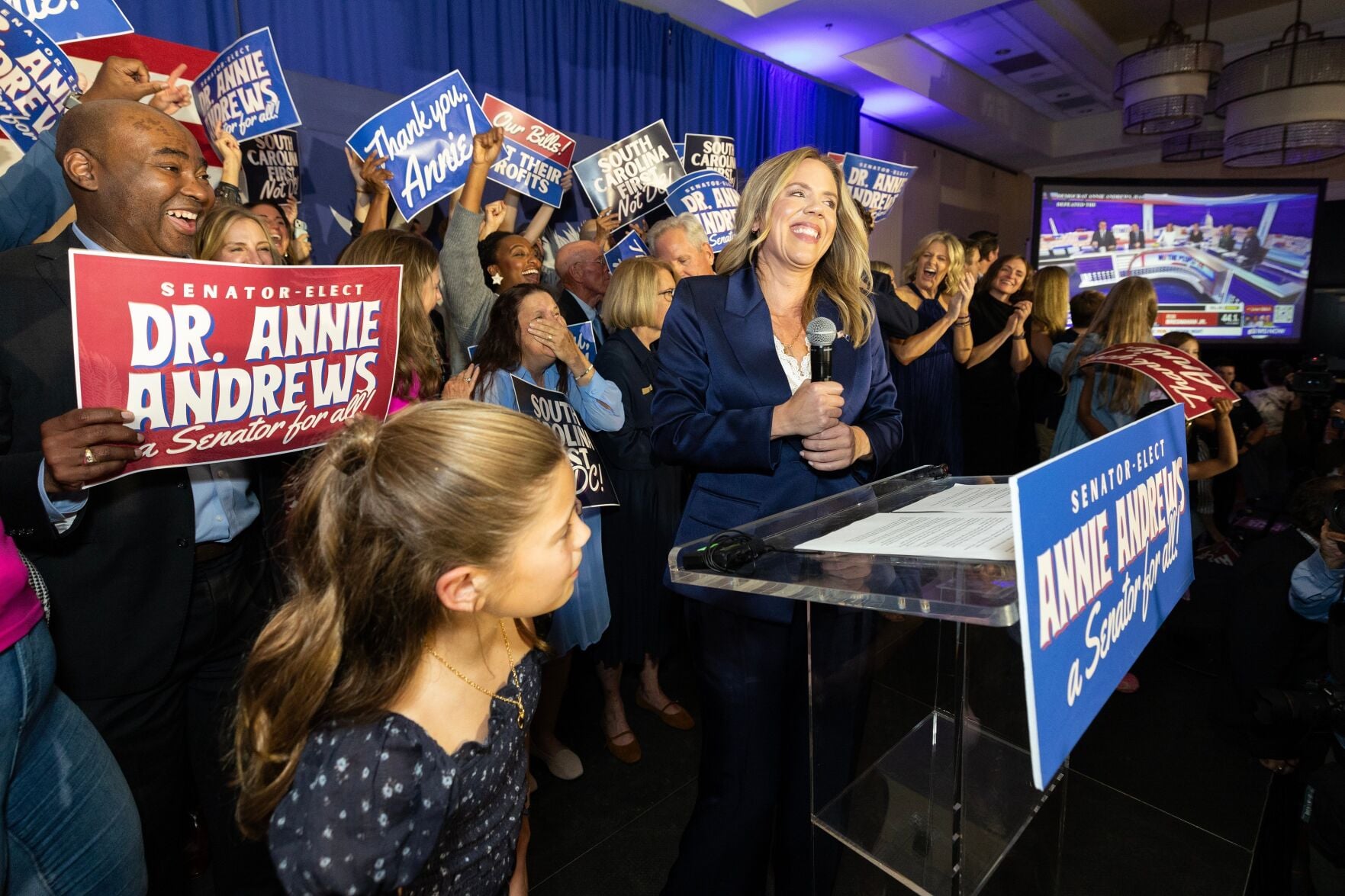
- Jackson's victory was seen as a historic change, with working-class representation and union support, including 65,000 canvassing calls from the AFL-CIO.
- In his victory speech, Jackson declared he doesn't owe Trump and the billionaires anything and will stand up to threats on healthcare, livelihood, and freedoms.
- A former Collins voter, Todd Cox, switched to Jackson due to concerns about the country's direction, citing bullying, affordability, the war in Iran, and disregard for the rule of law.
- An activist, Doug Emerson, parked a car covered with Trump policy miscues outside Collins's office to raise awareness, reflecting skepticism about voters' willingness to oust her.
- Collins was criticized for manipulating voters into thinking she is a moderate, while making deals for the wealthy at the expense of Maine.
Democrat Troy Jackson's victory over Susan Collins marks a significant shift in Maine's political landscape. Collins, who served nearly three decades, faced backlash for her ties to the Trump administration and controversial votes, particularly regarding abortion rights.125
Jackson's campaign slogan, 'You can't eat road salt,' emerged during a pivotal debate, emphasizing the disconnect between Collins' policies and the needs of everyday Mainers. “You understood what it would mean to send one of your own to the United States Senate,” Jackson told supporters, highlighting his working-class background.
Voter sentiment shifted as concerns over affordability and healthcare dominated discussions. Todd Cox, a former Collins supporter, stated, “concern for the direction the country is going in” drove him to back Jackson. Activists like Doug Emerson worked tirelessly to raise awareness of Collins' perceived failures, showcasing a growing desire for change.6789
Cynthia Phinney, president of the AFL-CIO in Maine, noted, “Having a working-class person and a union member in the United States Senate is an historic change.” Jackson's campaign mobilized grassroots support, with 65,000 canvassing calls made on his behalf, reflecting a broader Democratic wave that swept through traditionally Republican strongholds.4
As the election results rolled in, early returns showed Jackson with a narrow lead, signaling a potential shift in voter priorities and a demand for representation that resonates with the working class.
“Jackson's victory speech declared he doesn't owe Trump and the billionaires a thing. The AFL-CIO made 65,000 canvassing calls for Jackson, highlighting working-class representation as a historic change.”
 The Guardian