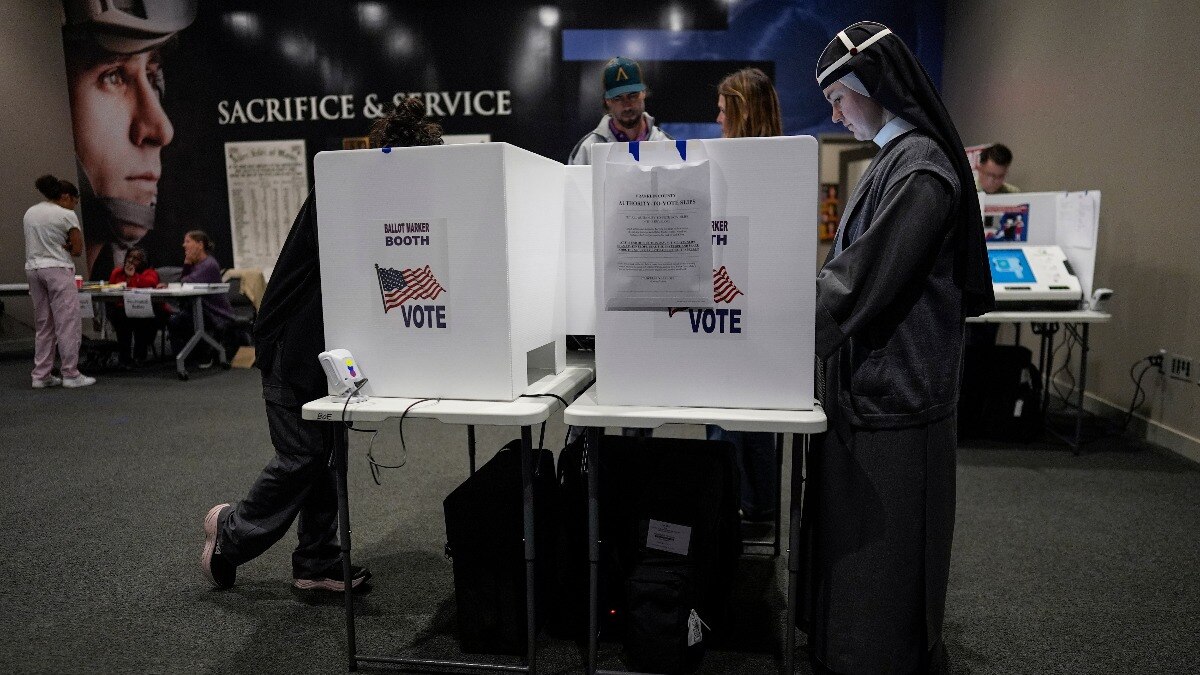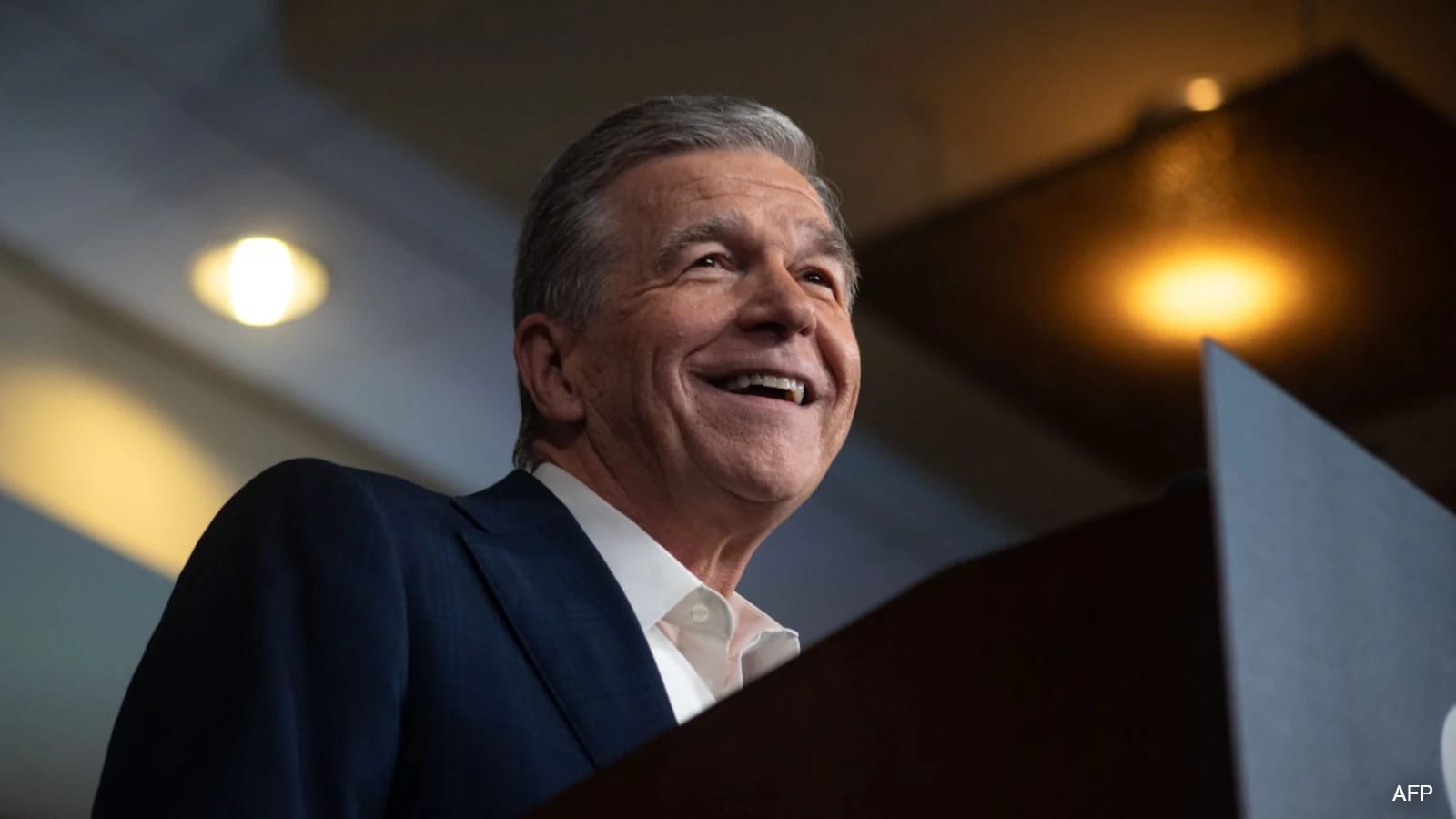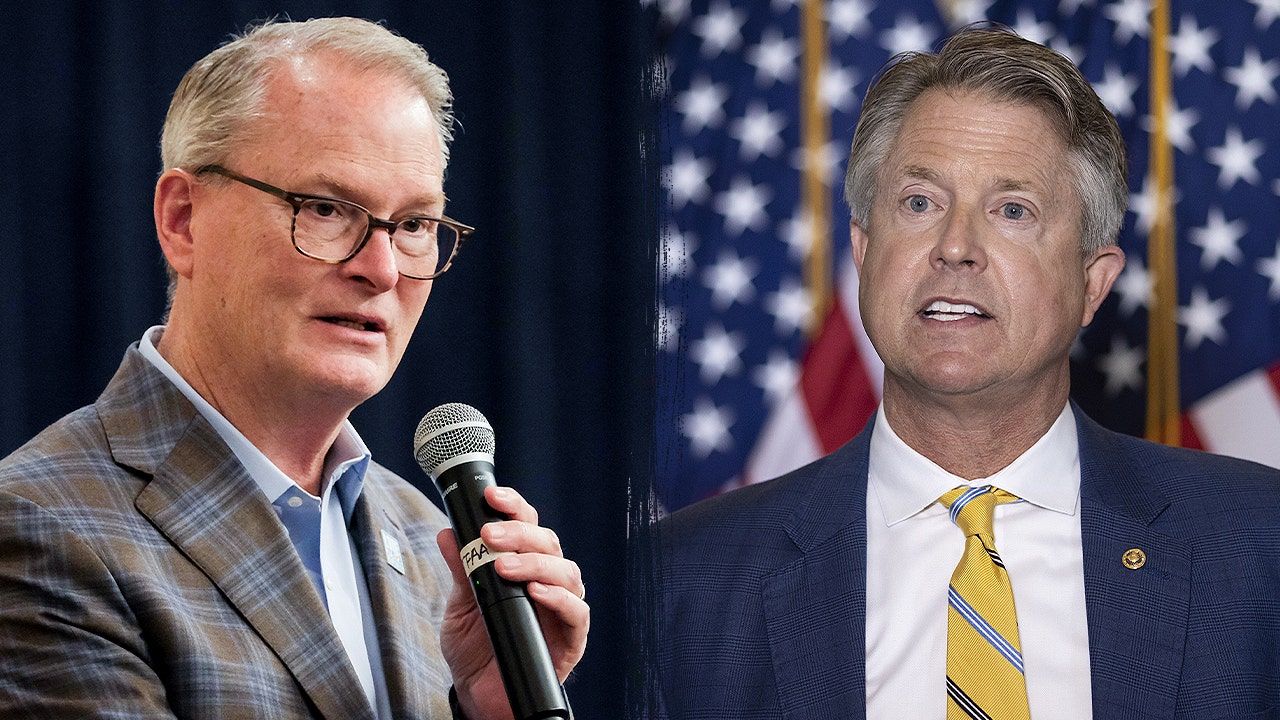
- In a historic upset, Democrat Adam Hamilton defeated Republican incumbent Sen. Roger Marshall in Kansas, marking the first time in nearly a century that a Democrat has won a Senate seat in the state.
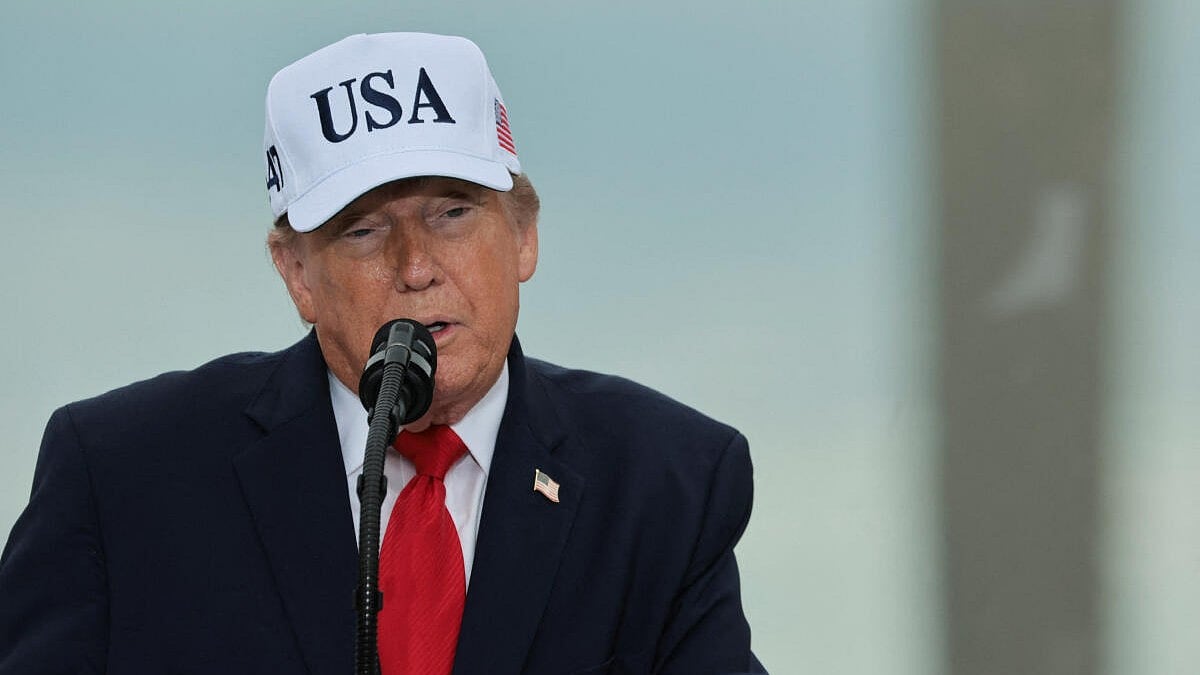
- The race became a bitter, expensive battle featuring high-profile surrogates, including President Donald Trump, who rallied in Kansas twice.
- Marshall's campaign faltered late, allowing Hamilton to attract independent and rural voters, which dealt a blow to Republicans' slim Senate majority.
- Before the election, Marshall warned that losing Kansas would jeopardize Republican control of the Senate, stating, "if we lose Kansas, I don't see how we keep control of the Senate."
- The campaign was dominated by negative headlines against Marshall over his medical practice's lawsuits against patients, and ads against Hamilton alleging cover-ups.
- Democratic strategist Mally Smith credited Hamilton's ability to unite Republicans, Independents, and Democrats, along with a favorable environment and a scandal-plagued incumbent, for the upset.
- University of Kansas professor Don Haider-Markel expressed that the upset was possible, saying, "if they can't do it this election cycle, I don't see when they're ever going to do it."
Democrat Adam Hamilton's victory over Republican Sen. Roger Marshall in Kansas marks a historic shift, as it is the first time since 1932 that a Democrat has been elected to the Senate from the state.123
Hamilton's campaign capitalized on a combination of factors, including a blue political environment, a scandal-plagued incumbent, and his own popularity as a megachurch pastor. "He was able to bring Republicans, Independents and Democrats together to pull a stunning upset," said Democratic strategist Mally Smith.910
The race was characterized by intense competition and significant financial backing, with Marshall's campaign faltering in the final stretch, allowing Hamilton to attract a substantial number of independent and rural voters.
"If we lose Kansas, I don't see how we keep control of the Senate," Marshall had warned before the election, highlighting the stakes involved. Hamilton's win not only disrupts the GOP's plans but also raises questions about their ability to maintain their slim majority in the Senate.
The contest was marked by brutal headlines and significant campaign resources, with high-profile endorsements, including rallies from President Donald Trump. Political experts had noted that the race was favorable for Hamilton, given his established presence in the state and the political climate shaped by Trump's policies.4
"I really just think it's entirely possible," said University of Kansas political science professor Don Haider-Markel, reflecting on the implications of Hamilton's win for future elections in Kansas.11
“Hamilton attracted independent and rural voters as Marshall's campaign sputtered, and strategist Mally Smith credited the upset to a 'scandal-plagued incumbent.' Hamilton has already said he would not support Chuck Schumer for Senate majority leader if Democrats take control.”


 Fox News