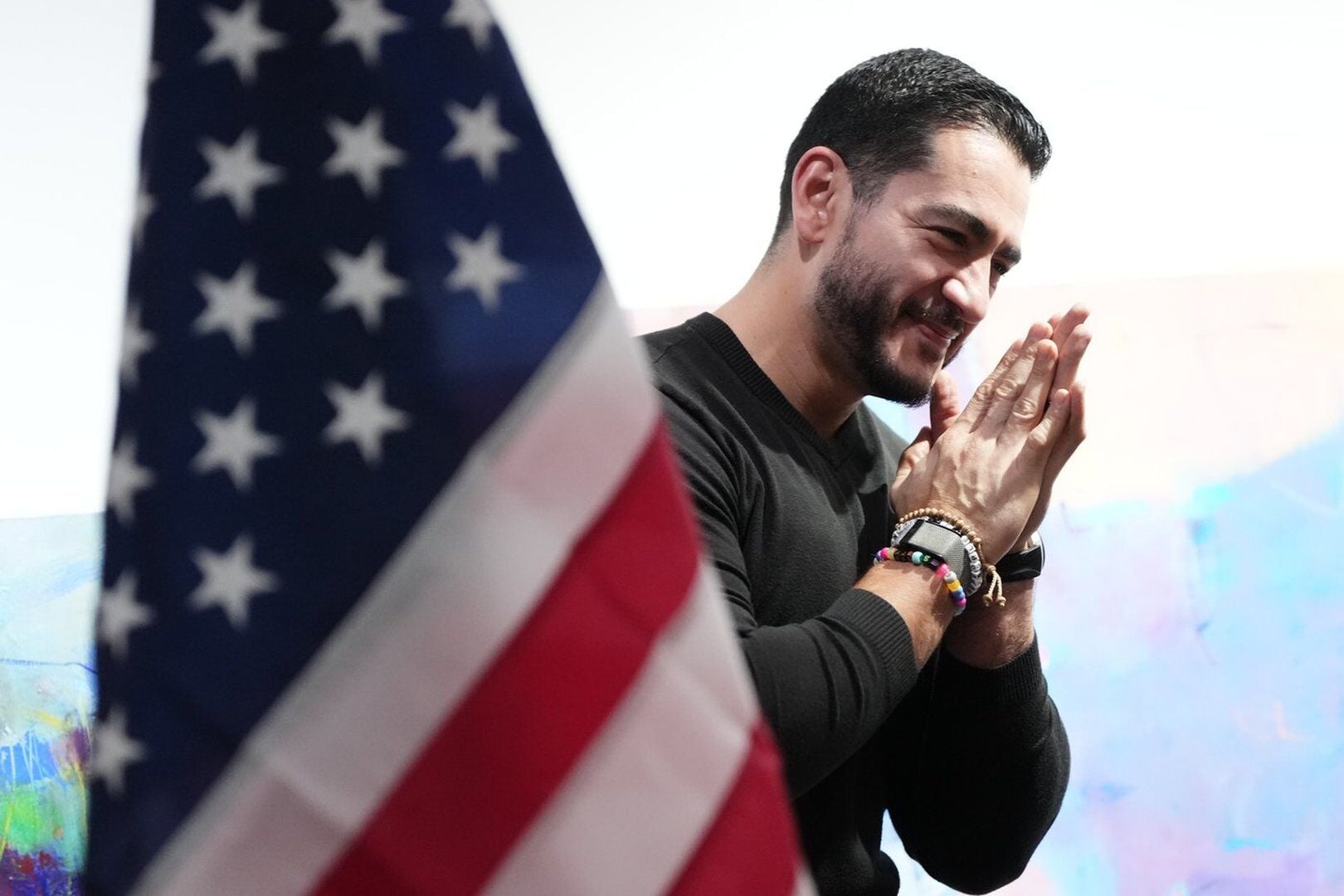
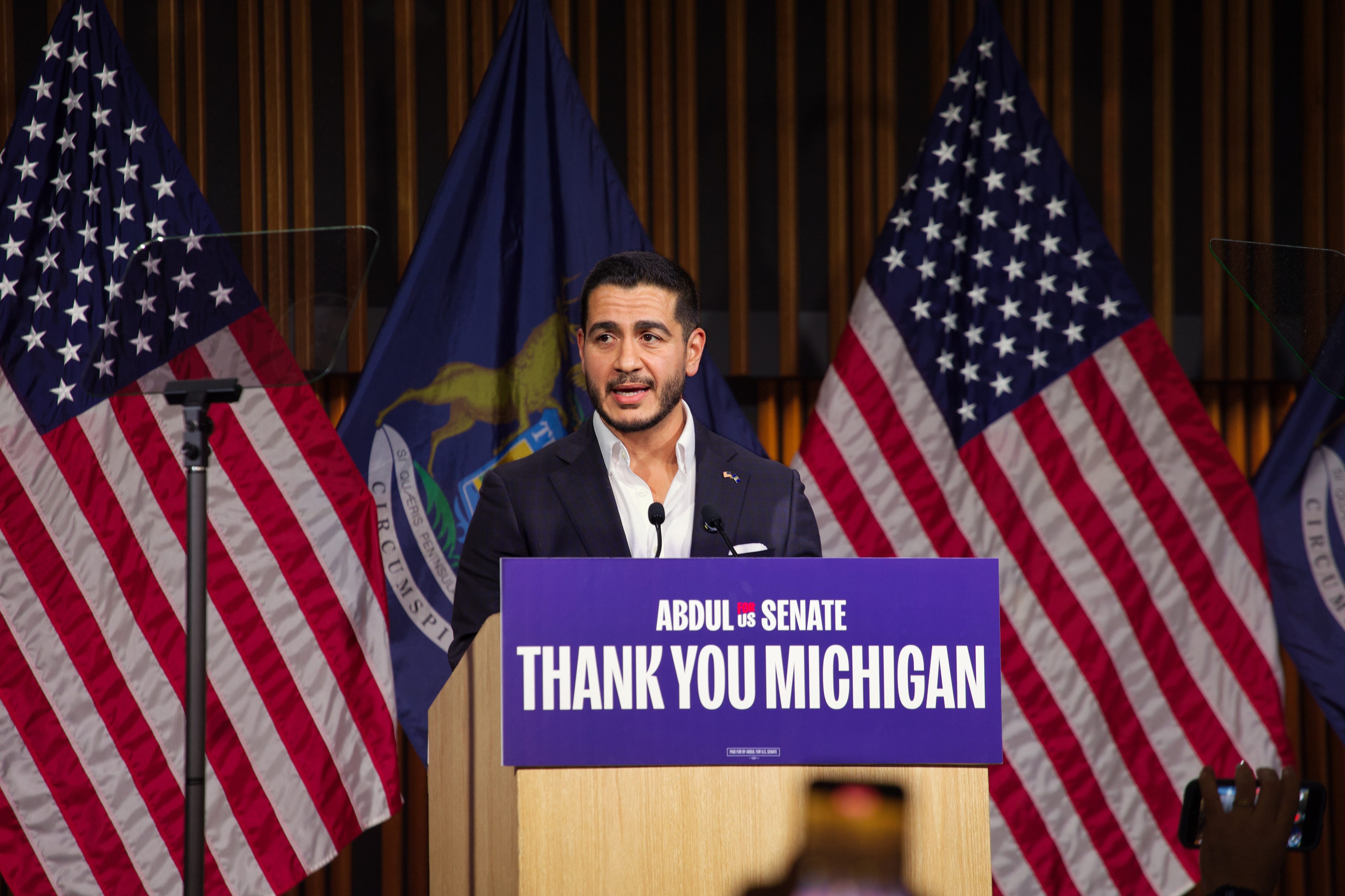
- El-Sayed's victory in the Michigan Senate race reveals the debate over US policy toward Israel does not primarily pit the left versus the right.
- There was no grassroots enthusiasm for maintaining US military aid and weapons sales to Israel, but there was a massive infusion of pro-Israel money from extremely wealthy people.
- El-Sayed’s opponents, Haley Stevens and Mike Rogers, were vehicles for that infusion and other corporate interests, which made them seem hollow.
- Commentators depicted El-Sayed’s criticism of Israel as a liability, but polls showed he won voters who cared about the issue by an even larger margin than he won overall.
- In the media, the divisions over Israel are top versus bottom, as many journalists support Palestinian rights but networks like CBS and CNN are owned by pro-Israel billionaires.
- The same top versus bottom dynamic has played out in universities: students organized encampments and voted to divest, but presidents called the police and boards rejected divestment.
- Support for Israel is concentrated among the older, wealthier, and more institutionally affiliated, while anti-Zionism is a rising force among younger people with fewer resources.
- In 2024, Democrats were on the wrong side of the elite versus mass divide, with Biden’s consultant working for Aipac and Harris’s campaign with Liz Cheney failing.
Abdul El-Sayed's recent victory in the Michigan Senate race underscores a significant shift in the U.S. debate over Israel, revealing a stark divide between elite pro-Israel interests and grassroots anti-Zionism.
Commentators tended to depict El-Sayed’s criticism of Israel as a liability, yet polls showed he won voters concerned about the issue by a larger margin than his overall victory.5
There was no grassroots enthusiasm for maintaining U.S. military aid to Israel, highlighting a disconnect between elite donors and ordinary voters.23
El-Sayed's opponents, Haley Stevens and Mike Rogers, were seen as vehicles for corporate interests, which contributed to their hollow appeal.4
The media landscape reflects this divide, with networks like CBS and CNN owned by pro-Israel billionaires, influencing coverage and perpetuating the elite perspective.
Support for Israel is concentrated among the older, wealthier, and more institutionally affiliated, while anti-Zionism is gaining traction among younger, less affluent demographics.1112
As the 2024 elections approach, Democrats may find themselves on the wrong side of this elite versus mass divide, as evidenced by the backlash against pro-Israel positions among younger voters.
One of Joe Biden’s top political consultants had a consulting firm that after October 7 went to work for Aipac, illustrating the tension between donor interests and voter sentiment.
The dynamics of this debate are increasingly evident in universities, where students have organized protests against Israeli actions, often met with institutional resistance.
“El-Sayed's opponents, Haley Stevens and Mike Rogers, were vehicles for pro-Israel and corporate money, appearing hollow to voters. Meanwhile, in universities, students voted to divest but boards rejected it, while network owners like CBS and CNN side with elite donors.”
 The Guardian