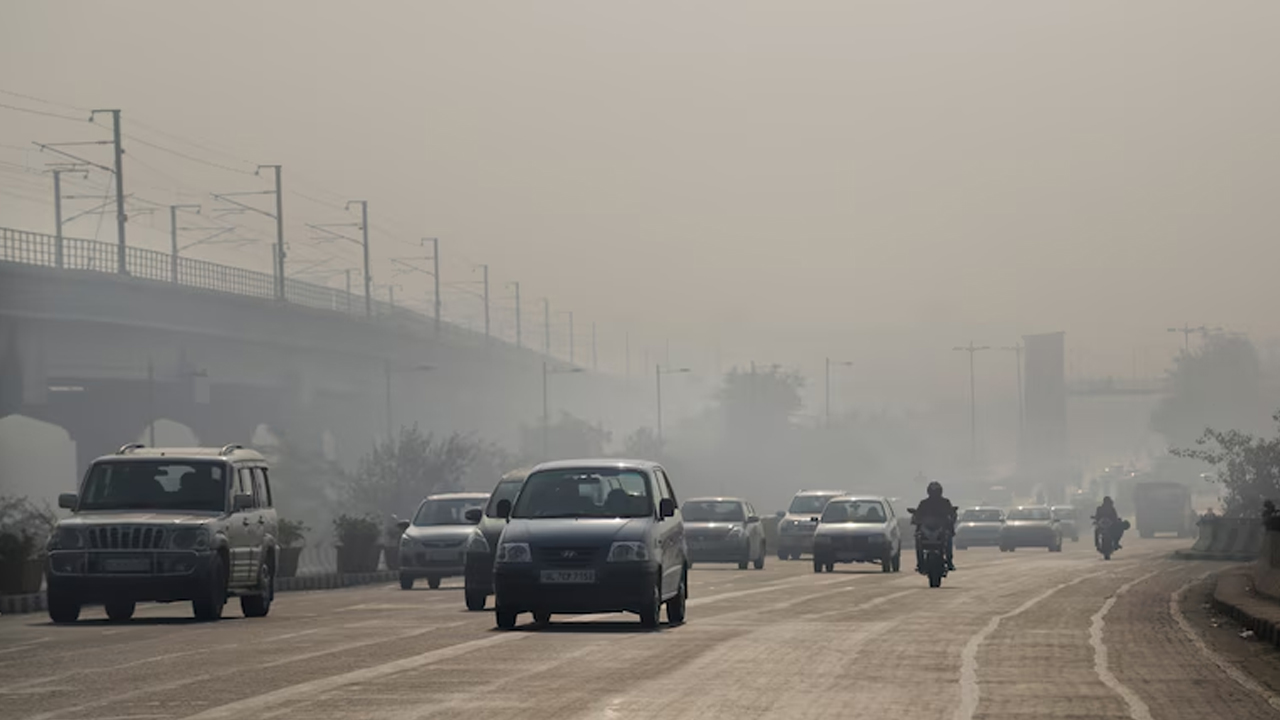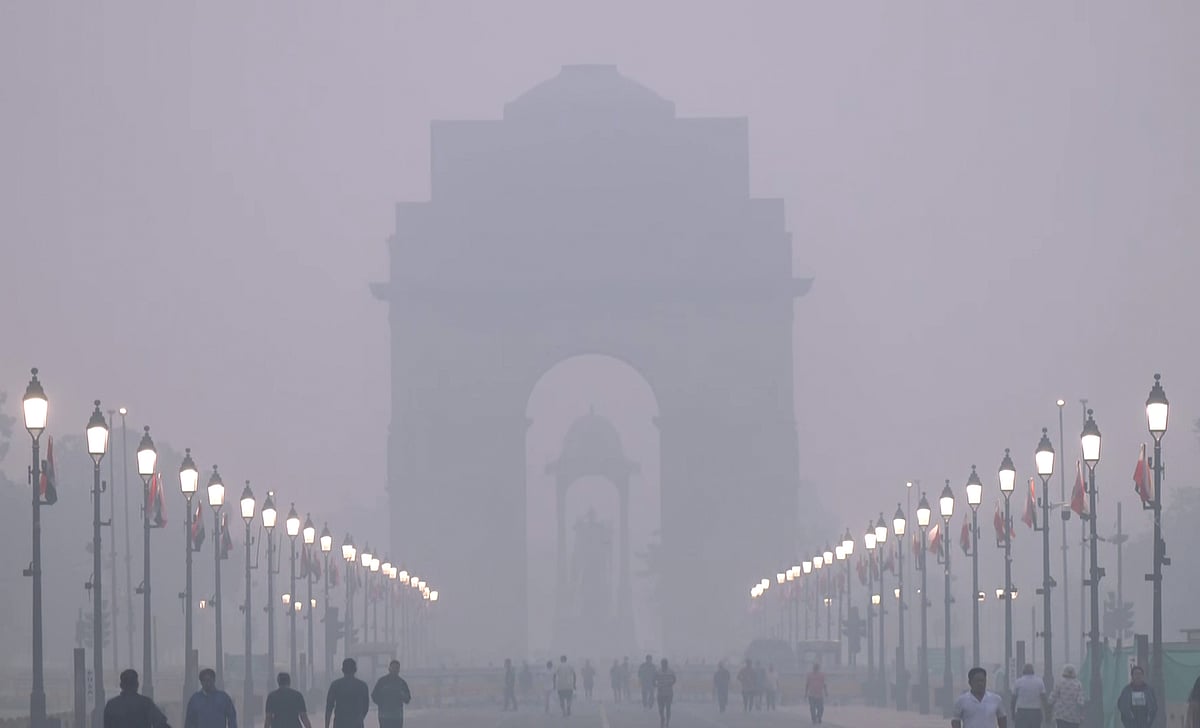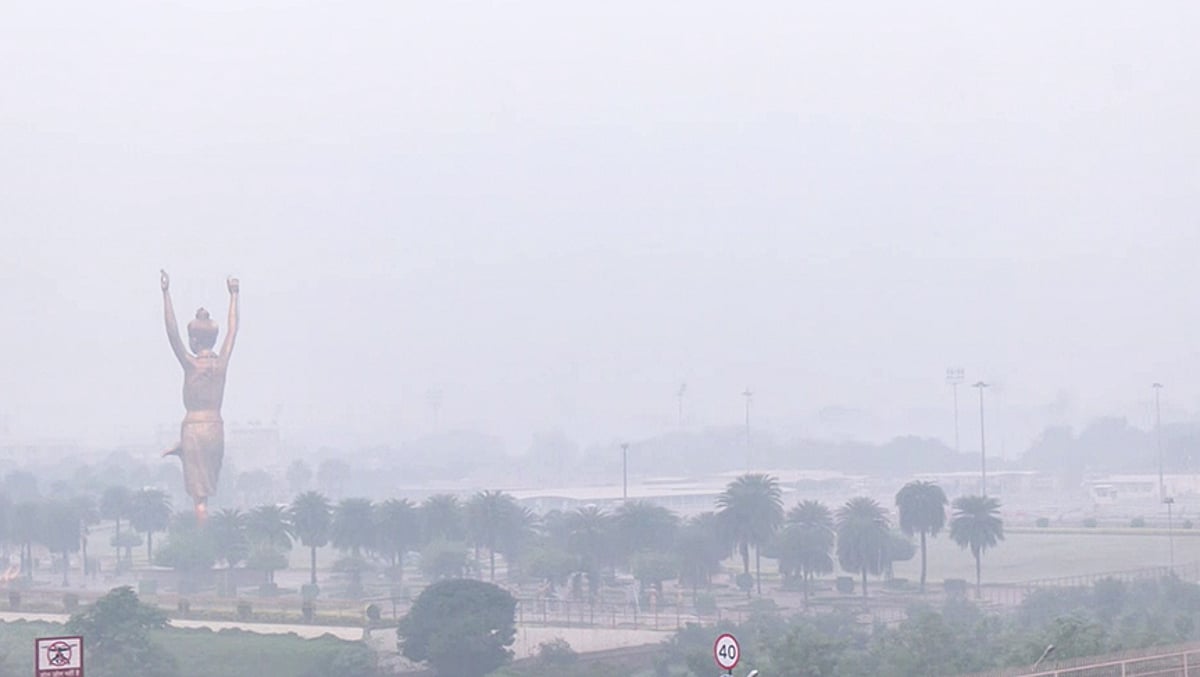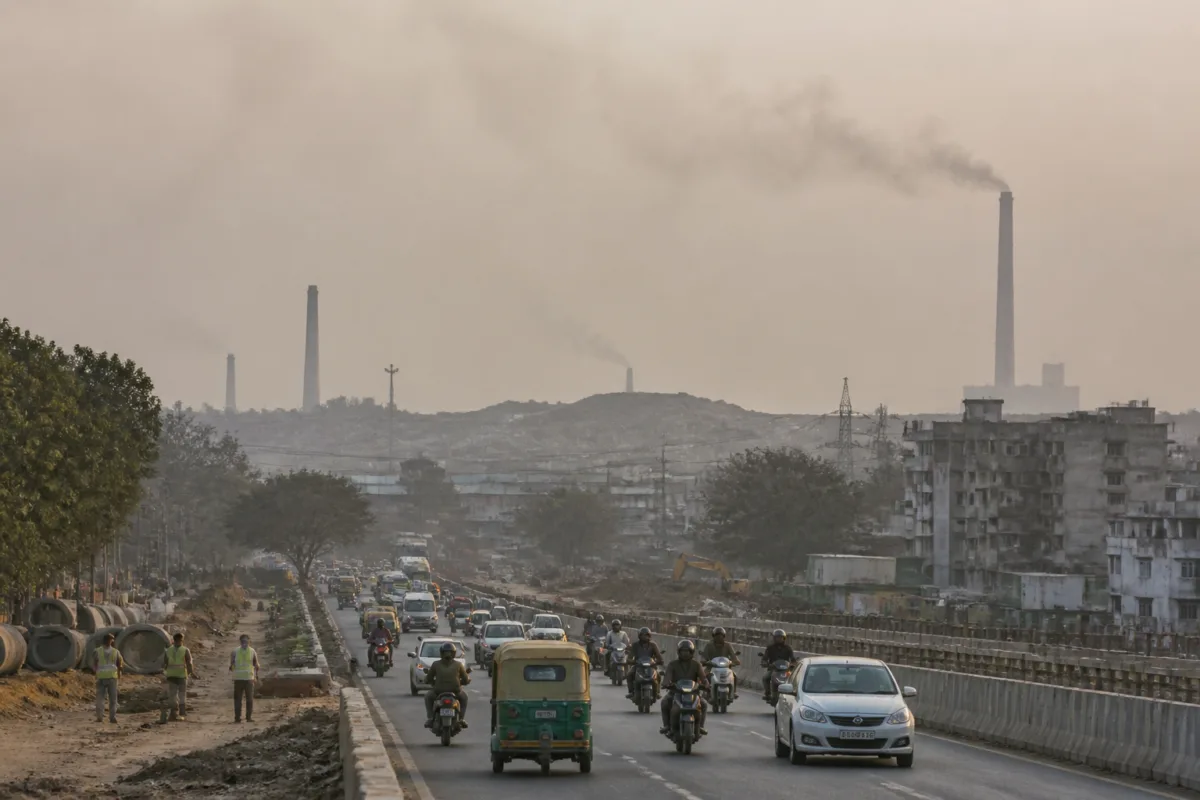
- On November 1, PM2.5 averaged 194 micrograms per cubic metre, more than three times India's daily limit of 60.
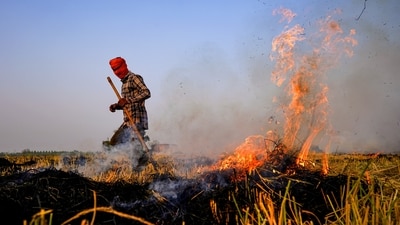
- The evening fire count from INSAT-3DS surged from 17 to 90 between October 29 and November 1, indicating a significant increase in stubble burning.
- In 2024 and 2025, over 90% of large fires in Punjab were lit after 3pm, a significant increase from 3% in 2021.
- On October 18 and 28, conditions were as bad as on November 1 or worse, yet PM2.5 was nearly three times higher on November 1 than on October 18 and about half as much again as on October 28.
- Transport-level winds blew from the north-west on the afternoons of October 31 and November 1, the direction of the fire belt.
- On November 1, the air parcel had spent most of its time over Punjab and Haryana, passing over dozens of fires spotted the day before.
Delhi's air quality has deteriorated sharply, with PM2.5 levels reaching 194 micrograms on November 1, more than three times the permissible limit of 60 micrograms. This spike coincided with a significant increase in evening farm fires, primarily in Punjab and Haryana, after a NASA satellite passed over the region.16
According to reports, 99% of stubble burning fires detected last season occurred after 3pm, a stark contrast to just 3% in 2021. The trend continued this season, with evening fires rising from 17 on October 29 to 90 by November 1. NASA's satellite recorded a peak of 171 fires on that date, the highest for the season.
The transport-level winds, which carry pollution over long distances, blew from the north-west on October 31 and November 1, aligning with the fire belt. This was in contrast to October 28, when winds came from the south, resulting in cleaner air despite high fire counts.5
The INSAT-3DS satellite reported a lower count of fires this season compared to last year, but the increase in evening burning suggests that the actual number of fields burned may not have decreased significantly. The air quality crisis in Delhi is exacerbated by these agricultural practices, leading to severe health risks for residents.2
As the situation develops, authorities are urged to address the stubble burning issue to mitigate its impact on urban air quality.
“Evening fires now account for over 90% of large blazes in Punjab, versus 3% in 2021, evading satellites. INSAT-3DS spotted almost no evening fires from October 15–28, but counts jumped from 17 on October 29 to 90 on November 1.”