- Diwali celebrations took place with firecrackers, defying a ban.
- On Monday, Delhi's air quality reached 'severe' category.
- Air pollution in parts of Delhi-NCR surpassed WHO's 24-hour average limit by over 50 times.
- IQair reported PM2.5 levels at 879 micrograms per cubic meter in Mandir Marg, nearly 59 times the WHO limit.
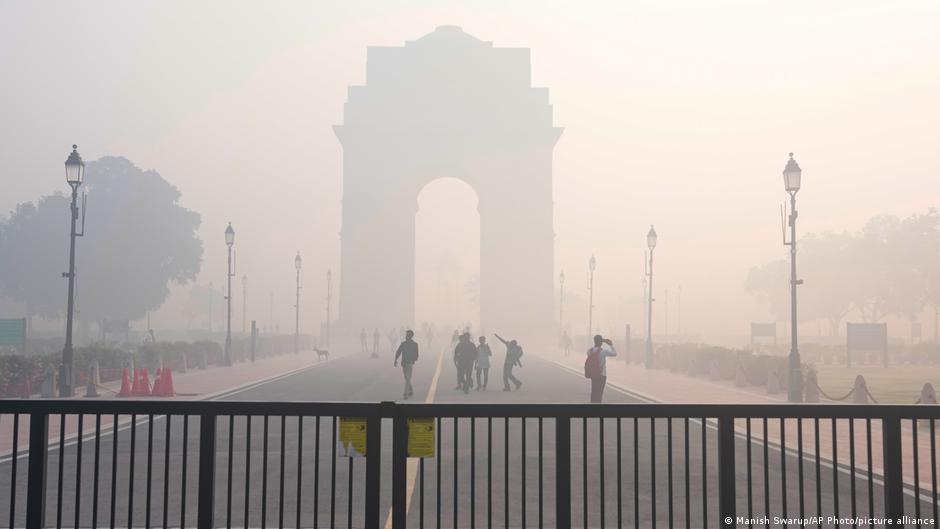
Delhi's air quality has deteriorated significantly following the Diwali celebrations, with the Air Quality Index (AQI) in several areas classified as 'severe'.2
PM2.5 levels soared to 879 micrograms per cubic meter, exceeding the World Health Organization's recommended limit by nearly 59 times.4
Residents are choking on smoke and fine particulate matter as the firecracker ban imposed by India's Supreme Court was largely ignored during the festivities.
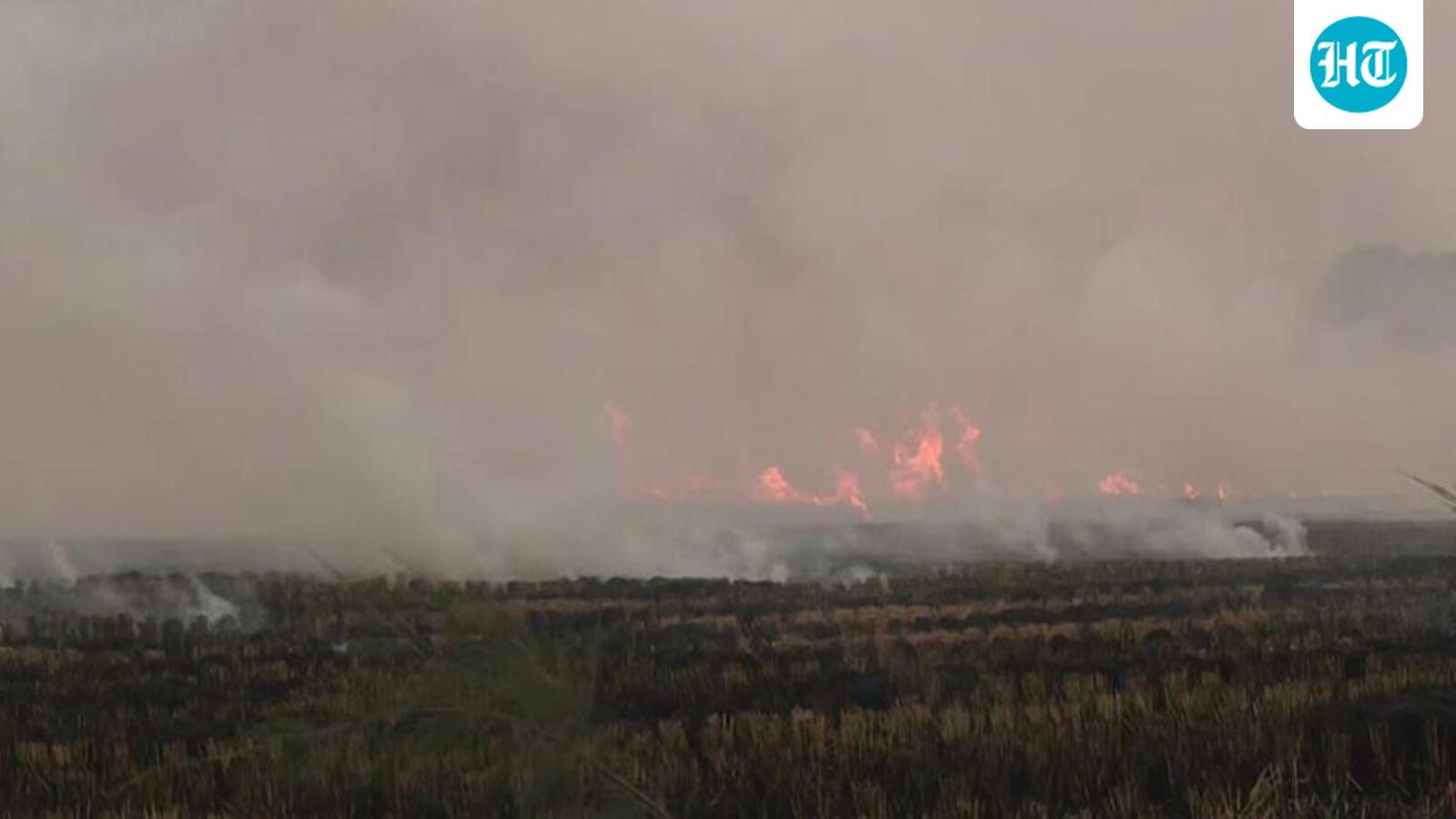
New Delhi is one of the world's most polluted capitals, grappling with pollution from vehicular emissions, crop-residue burning, and industrial activities.
Millions celebrate Diwali with fireworks, releasing harmful particles into the air, worsening the already critical pollution levels.
Last month, the Supreme Court had restricted conventional firecrackers, permitting only 'green firecrackers' designed to minimize pollution. However, these still emit 65 to 70% of the pollution produced by traditional firecrackers.
The situation highlights the ongoing struggle against air pollution in the capital, particularly during the winter months when smog is prevalent.
“IQair, citing a government station, recorded PM2.5 levels at 879 micrograms per cubic meter in Mandir Marg, almost 59 times the WHO safe limit. Parts of Delhi-NCR surpassed the WHO's 24-hour average by over 50 times, underscoring the health hazard.”


 Deutsche Welle