
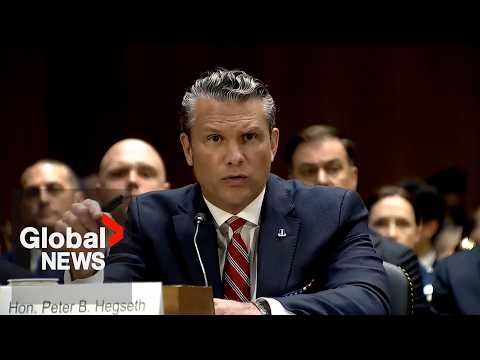
- War in Iran has cost the United States $37.5 billion so far, according to Defense Secretary Pete Hegseth during his testimony to lawmakers.
- Hegseth stated that the $37.5 billion figure includes certain aspects of the war as well as anticipated costs through September 30.
- During the hearing, Sen. Peters accused Hegseth of being a failure due to the lack of a winning strategy in the Iran conflict.
- Hegseth responded to Peters, stating that the characterization of the war as a failure is reckless and smears the sacrifices of U.S. troops.
- The Pentagon's funding request includes $87.6 billion in supplemental funds, with $67 billion allocated for the Iran war.
- Hegseth emphasized the need for urgent funding, stating that without it, military training would need to be curtailed.
- The conflict has resulted in the deaths of 18 U.S. troops and injuries to approximately 430 others.
Defense Secretary Pete Hegseth was grilled by Senate lawmakers over the escalating costs of the war in Iran, which have reached $37.5 billion. During a tense hearing, Senator Gary Peters criticized Hegseth, stating, "You, sir, are the failure," as he questioned the administration's strategy and objectives.1234
Hegseth defended the funding request, which includes $87.6 billion in supplemental funds, primarily for the Iran conflict. He argued that without this funding, military training would be curtailed and the U.S. would face critical shortfalls in operations. Hegseth stated, "Not funding this department at $1.5 trillion, I believe, is the greatest threat that our nation faces."5
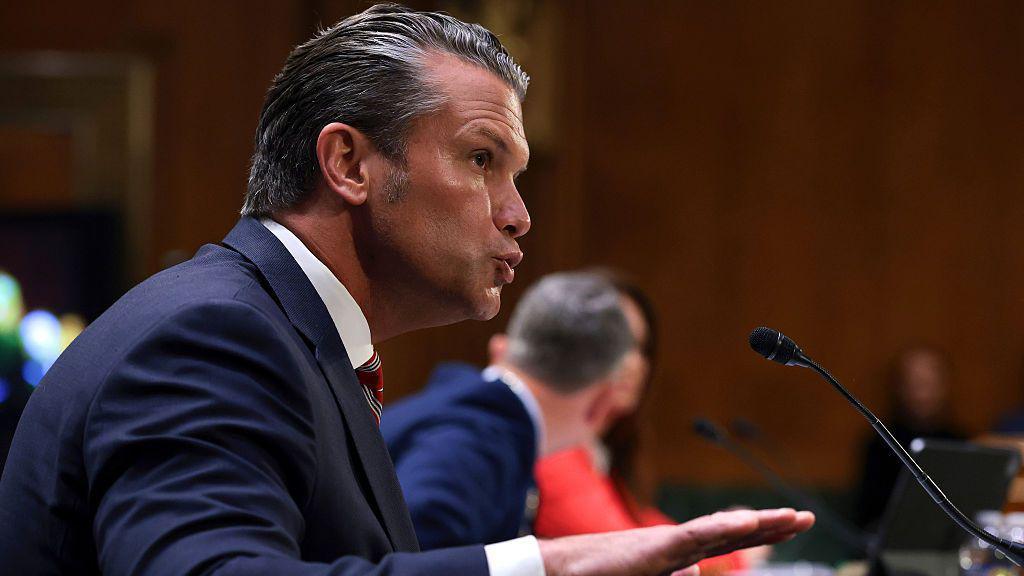
The war has resulted in the deaths of 18 U.S. troops and injuries to approximately 430 others. Hegseth acknowledged the ongoing military actions, stating, "We have to prepare for war" to maintain peace. He also noted that the Pentagon reported 100 service members injured since July 7, with 96% returning to duty.7
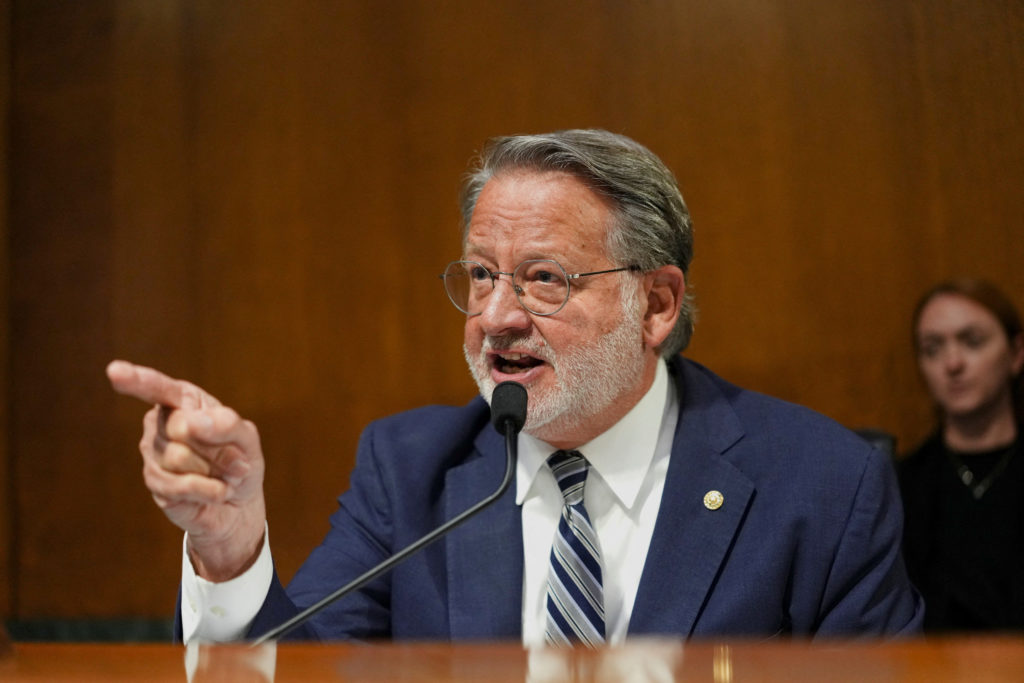
Peters challenged Hegseth's claims, pointing out that the Strait of Hormuz remains closed, leading to increased gas prices and questioning the effectiveness of the war strategy. Hegseth countered that Peters' characterization of the war as a failure "smears the sacrifice" of troops, emphasizing the need for leadership and funding to ensure national security.
As tensions rise, the U.S. continues its military operations, with Hegseth asserting that the administration does not seek "unlimited bombs" but rather a strategic upgrade to U.S. capabilities.
“The $37.5 billion figure includes costs through September 30, while 18 U.S. troops have been killed and over 430 injured. Hegseth also requested $1.5 trillion for the 2027 defense budget, calling it the greatest threat if unfunded.”

 BBC
BBC



