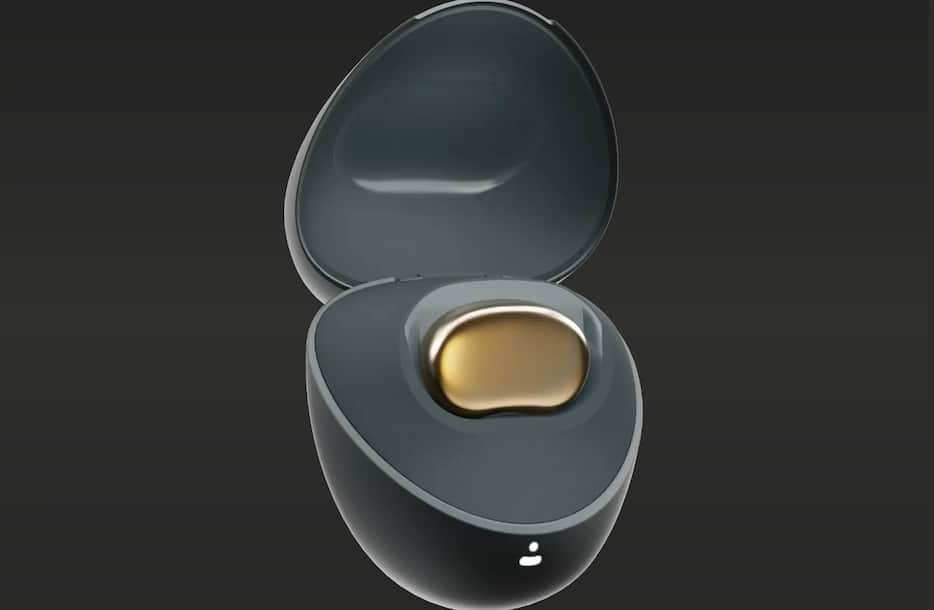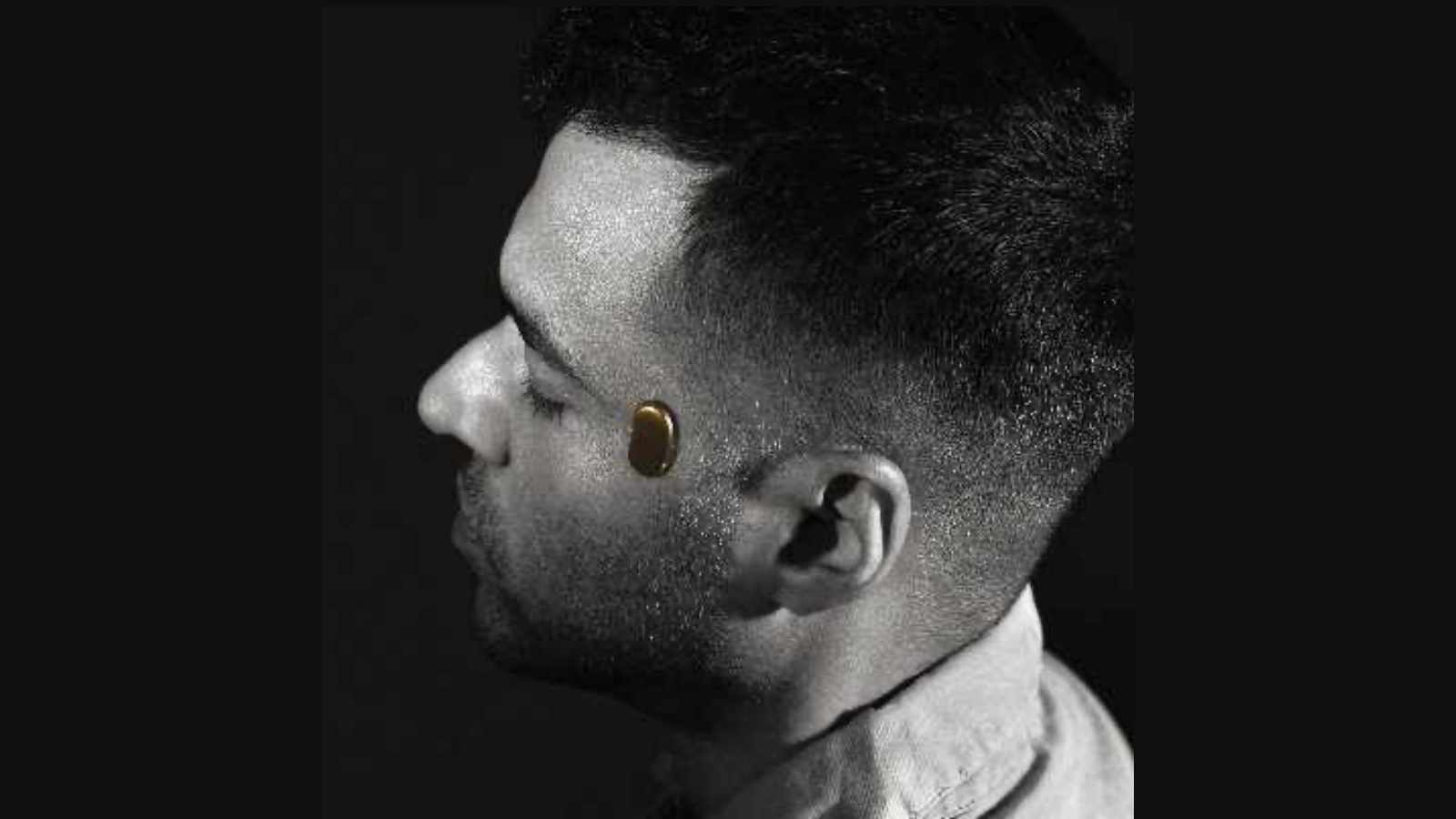
- Deepinder Goyal has launched pre-orders for the Temple wearable at ₹85,000.
- Dr Cyriac Abby Philips, known as The Liver Doc, has criticized the wearable's scientific basis on X, questioning its usefulness.
- Dr Praveen Gupta from MAIINS stated that the brain self-regulates blood flow, and a single-point measurement cannot represent whole-brain circulation.
- Dr Gupta explained that the brain automatically adjusts the size of its blood vessels to ensure adequate oxygen and nutrients, indicating that there is no established scientific evidence that everyday effects progressively damage the brain.
- Dr Philips argues that cognitive health cannot be solely determined by blood circulation, as it also depends on various biological processes.
Deepinder Goyal's ₹85,000 Temple wearable, designed to monitor brain blood flow, has come under fire from Dr. Cyriac Abby Philips, known as The Liver Doc, who questions its scientific basis and practical utility. Philips criticized the device on X, stating that its claims may exceed the current evidence.12
The Temple wearable, an optical sensor, aims to track physiological signals related to blood flow in the brain. However, experts argue that single-point readings cannot accurately represent overall brain circulation. Dr. Praveen Gupta, Chairman of the Marengo Asia International Institute of Neuro & Spine, emphasized that while gravity influences circulation, there is no established evidence linking it to accelerated brain aging.
Philips further contends that cognitive health cannot be solely defined by blood circulation. The brain's complex network of neurons and synaptic connections means that changes in blood flow may correlate with neurological conditions but do not definitively indicate cognitive decline or neurodegeneration. “A device attached at one location can detect a physiological signal at the temple, but that does not represent blood flow throughout the brain,” Gupta stated, reinforcing the skepticism surrounding the wearable's claims.5
As the debate continues, consumers are left questioning whether they are paying a premium for a device whose clinical usefulness remains unproven.
“Dr Praveen Gupta of MAIINS says the brain self-regulates blood flow, so everyday gravity effects don't cause damage. He adds that a device at one location 'can detect a physiological signal at the temple, but that does not represent blood flow throughout the brain.'”
 The Indian Express