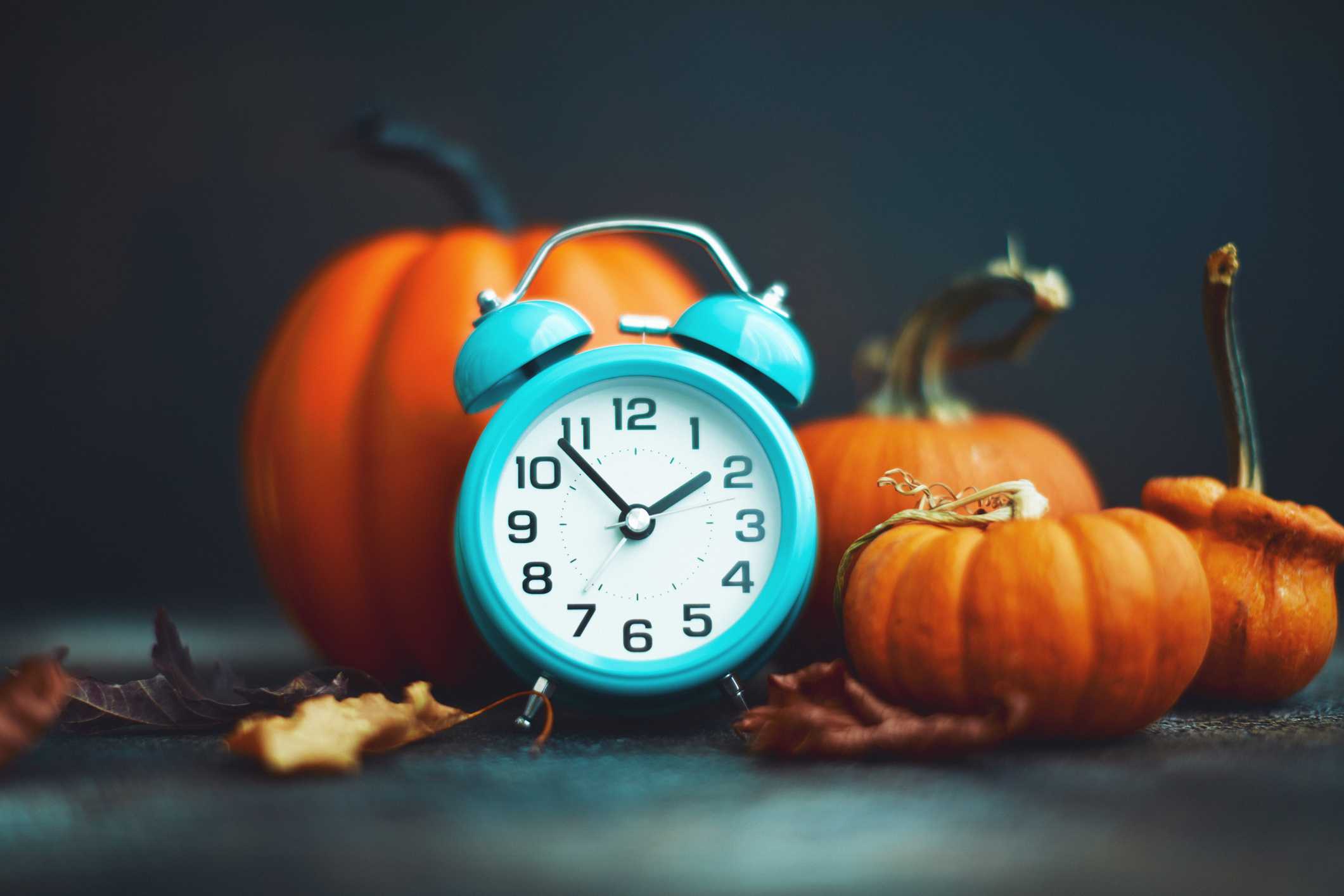
- Daylight saving time ends Sunday, Nov. 1, with clocks falling back one hour at 2 a.m.
- Legislation that would permanently transition to daylight saving time remains stagnant, even though the U.S. House of Representatives moved forward the bill in July and it was sent to the Senate and referred to the Committee on Commerce, Science, and Transportation.
Daylight saving time ends on Sunday, Nov. 1, with clocks falling back one hour at 2 a.m., providing an extra hour of sleep but resulting in shorter daylight hours until March 2027.1
The transition to standard time means earlier sunsets, with darkness arriving by late afternoon.
Legislation for permanent daylight saving time remains stagnant in the Senate after the U.S. House of Representatives advanced the bill in July. It was referred to the Committee on Commerce, Science, and Transportation but has not progressed.23
Supporters of permanent daylight saving time argue that it could reduce traffic accidents, promote outdoor activities, and benefit businesses.
However, the American Academy of Sleep Medicine warns that the transition can pose significant public health risks, including increased cardiovascular events and mood disorders.

“An abundance of accumulated evidence indicates that the acute transition from standard time to daylight saving time incurs significant public health and safety risks,” the AASM states.
The change in time disrupts circadian rhythms, which are crucial for maintaining healthy sleep patterns.
“Even an hour's change on the clock can throw off sleep schedules,” experts note, linking the transition to increased car crashes and heart attacks.
To mitigate these effects, experts recommend adjusting bedtimes gradually before the change and ensuring exposure to morning light to help reset internal clocks.
“The extra hour of sleep comes as days shorten, with darkness arriving by late afternoon through March 2027. Meanwhile, the House's July move to make DST permanent has stalled, referred to the Senate Commerce Committee.”
 WLWT
 NBC Connecticut