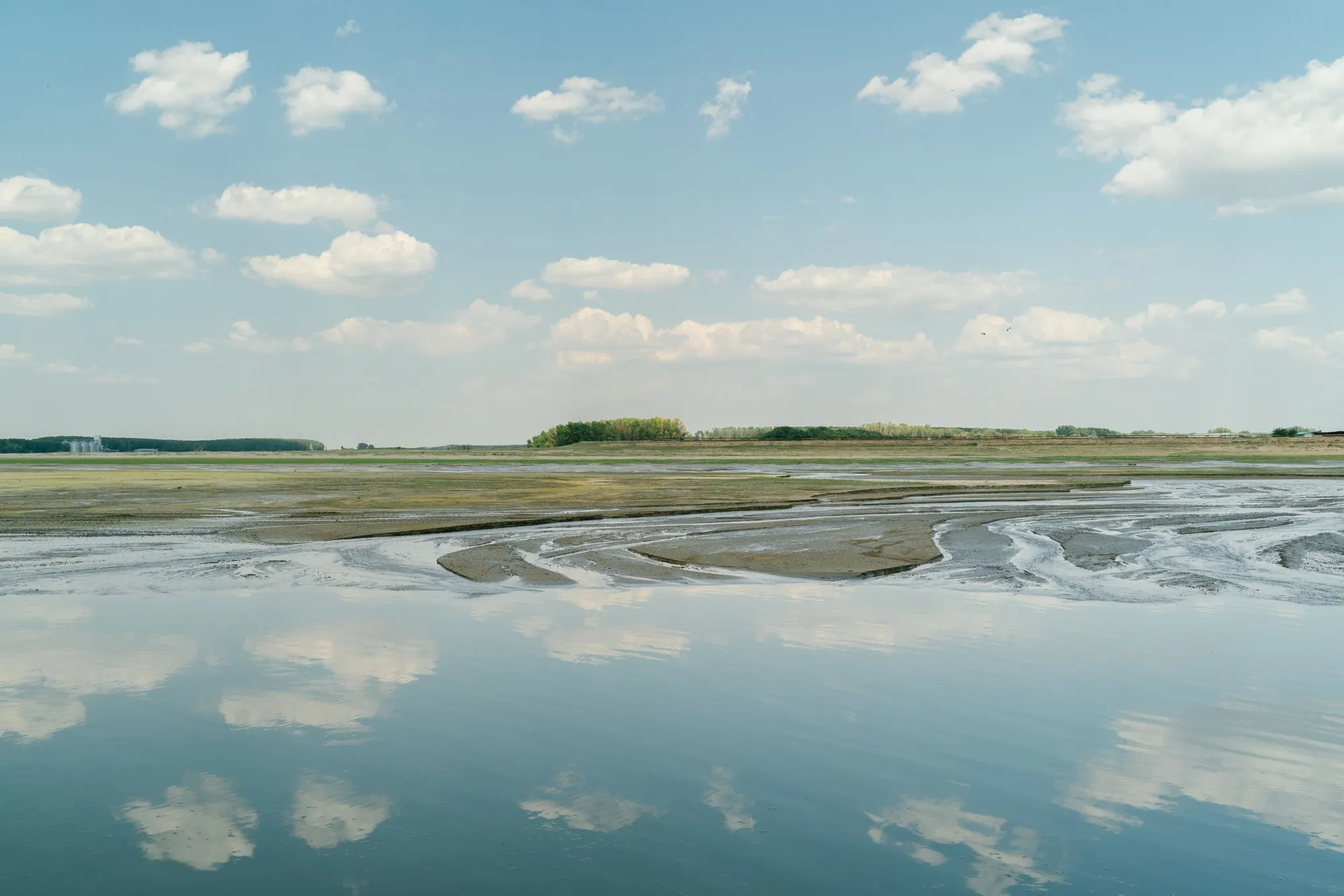
- Danube water levels have dropped to record lows, which is threatening electricity supplies and forcing governments and companies to confront climate change.
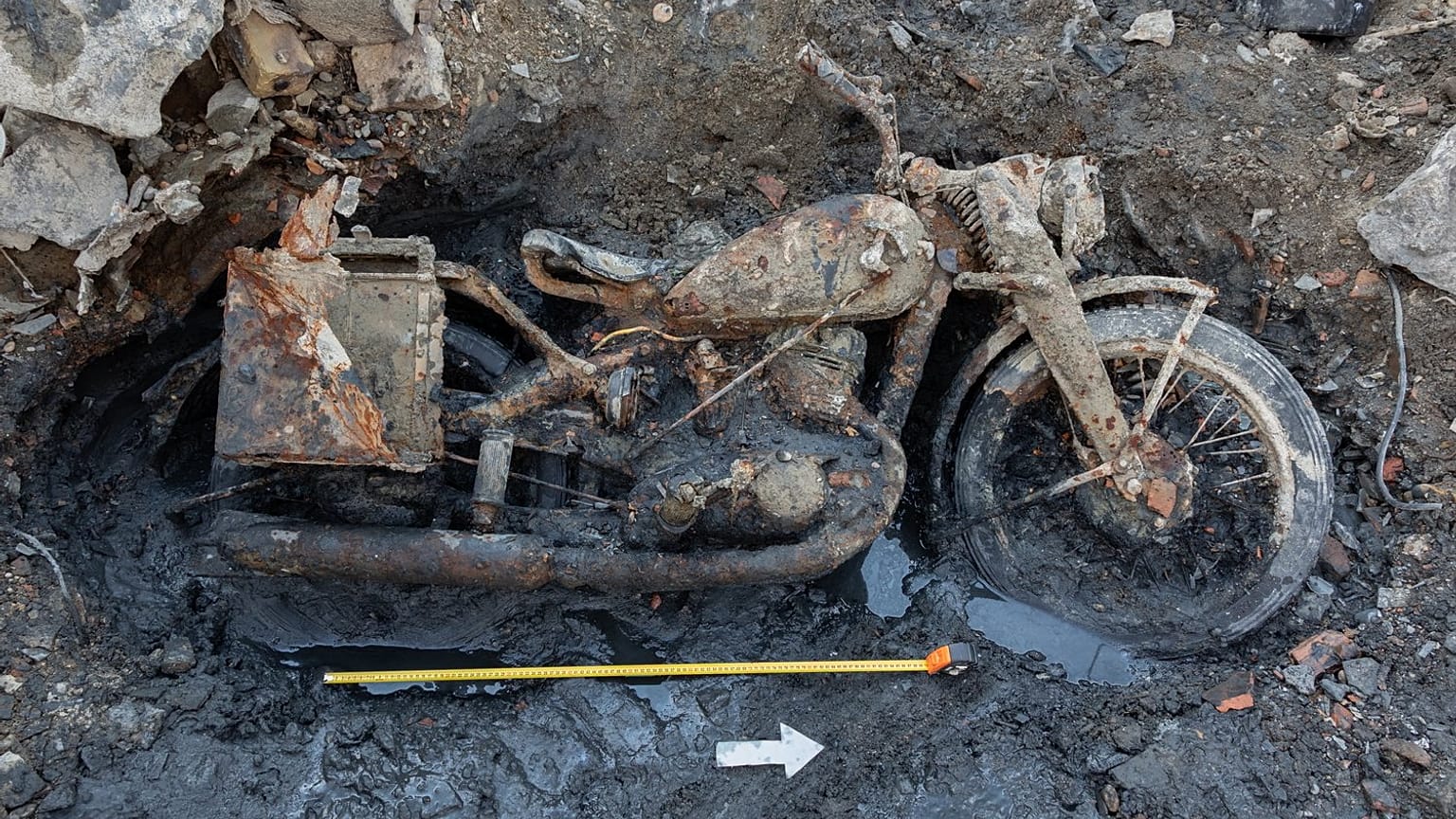
- On 2 August, a motorbike was discovered on the Buda side of the Hungarian parliament, next to the harbour at Batthyány Square.
- Two soldiers' remains and numerous Tellermine 35 anti-tank mines were found in the riverbed, preserved by the mud.
- The Volksbund sent a reburial specialist to Budapest to carry out the exhumation of the soldiers with the help of Hungarian colleagues.
- After examination, the soldiers are to be buried at the Budaörs war cemetery on the outskirts of Budapest.
- The motorbike recovered is believed to be a DKW NZ 350-1 model, known for its robustness during WWII.
- The remains had been lying on the bed of the Danube for around 80 years, and their identity discs are still fully legible.
- The harbour mud at Batthyány Square, mixed with gas oil, has created ideal conditions for preserving wrecks and human remains.
- The Volksbund expects more shipwrecks to emerge due to the extremely low water levels, which could lead to the recovery of more war dead.
Record-low water levels in the Danube River are exposing World War II relics in Budapest, including the remains of two soldiers and a motorbike, raising alarms about climate change's impact on trade and electricity supplies.127
The Volksbund Deutsche Kriegsgräberfürsorge (German War Graves Commission) reported that the soldiers' remains, preserved by the mud, were exhumed alongside numerous German Tellermine 35 anti-tank mines. The motorbike, believed to be a DKW NZ 350-1 model, was discovered on August 2 near the Hungarian parliament.34511
The mud at Batthyány Square, mixed with gas oil, has created ideal conditions for preserving wrecks and human remains. The identity discs of the soldiers are still fully legible, indicating that their deaths were never reported to Berlin. After examination, the soldiers will be buried at the Budaörs war cemetery on the outskirts of Budapest.6
As water levels remain critically low, the Volksbund anticipates more shipwrecks and potential recoveries of war dead. While Hungary is initially responsible for these discoveries, the Volksbund will be notified if evidence of German war dead is found.
This situation underscores the broader implications of climate change, as water shortages continue to affect trade, tourism, and electricity supplies across the region.
“The recovered soldiers' identity discs remain fully legible, indicating their death reports never reached Berlin. The Volksbund expects more shipwrecks to emerge as water levels stay low, potentially yielding additional war dead.”


 euronews.com



