- Daniel Ortega, the 80-year-old authoritarian leader, has announced that Nicaragua will no longer hold elections to prevent the opposition from coming to power.
- During a speech commemorating the 47th anniversary of the 1979 Sandinista revolution, Ortega stated, "There will be no more elections here so that they [the opposition parties] can try to seize the government, seize power."
- Ortega framed this decision as necessary to protect the country from coup plotters, claiming that the opposition is controlled by the United States.
- He emphasized, "The days when parties backed by the Yankees and the Somocistas would return to power are over – never again," during his speech.
- Ortega's announcement effectively eliminates any possibility of electoral challenges when his term ends next year.
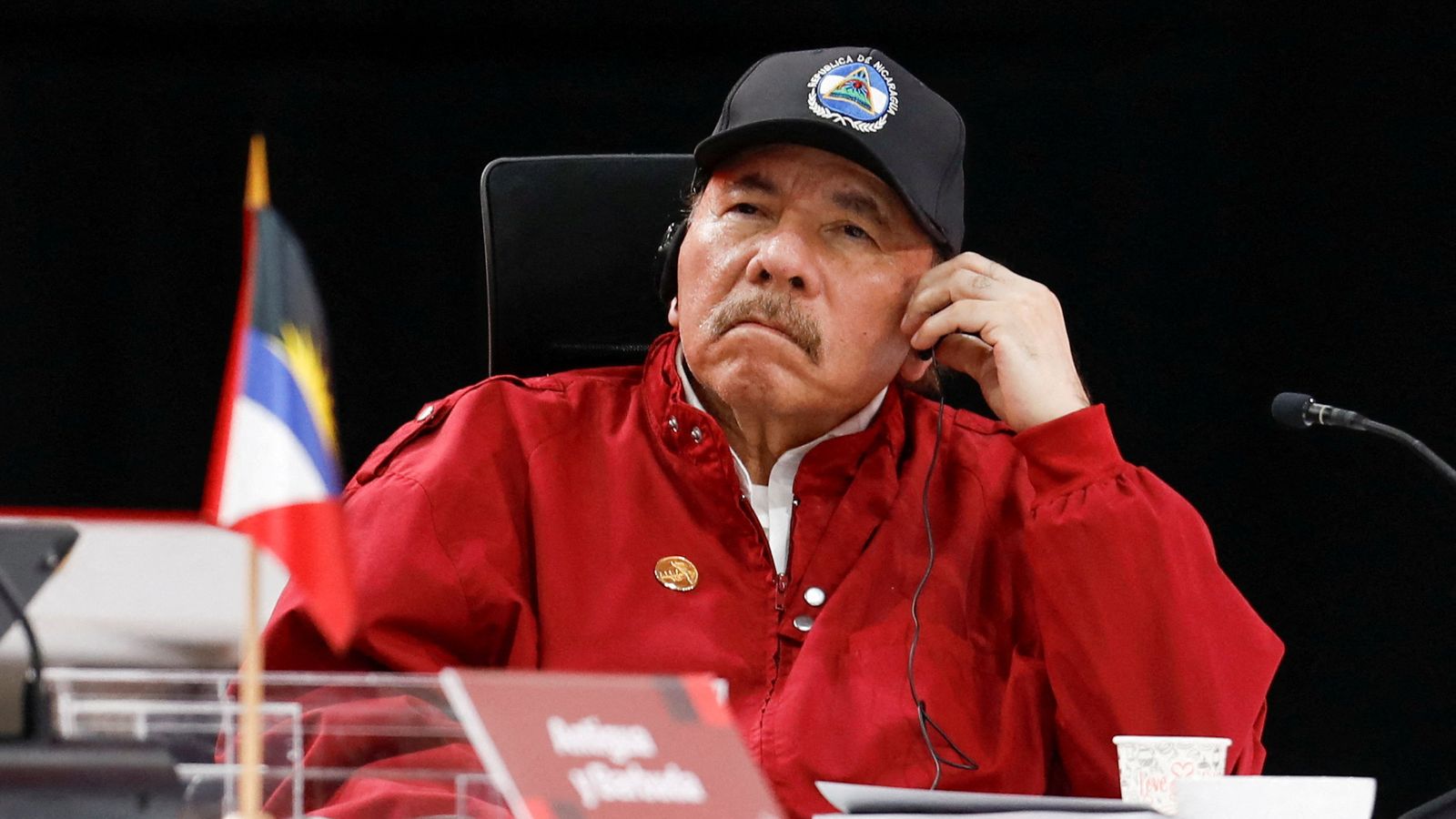
Nicaragua's President Daniel Ortega declared on Sunday that the country will no longer hold elections, effectively eliminating any electoral competition as he seeks to maintain his grip on power.1
Ortega, who has ruled since 2007, stated, "There won’t be any more elections here for them to try to seize the government and seize power," during a speech commemorating the 1979 Sandinista revolution.

He justified this decision by claiming it is necessary to protect the nation from "coup plotters" and asserted that the opposition is controlled by the United States.4
This announcement follows a series of actions that have increasingly consolidated Ortega's power, including the extension of presidential terms from five to six years and the criminalization of dissent.
The 2021 elections were marred by the detention of opposition leaders and widespread allegations of fraud, leading to international condemnation.
Tiziano Breda, a senior analyst at the NGO Armed Conflict Location and Event Data, remarked, "Ortega and Murillo are evidently afraid of the idea that the slightest political opening could create the conditions for dissent to manifest and threaten their grip on power."
The UN has accused Ortega's regime of transforming Nicaragua into an "authoritarian state", with systematic violations of human rights, including arbitrary detentions and extrajudicial killings.
Ortega's declaration marks a significant step in his long-term strategy to eliminate political competition and maintain control over the Central American nation.
“Ortega made the announcement during a speech commemorating the 1979 Sandinista revolution, in which he helped overthrow a US-backed dictator; the UN Human Rights Council accused his government of turning Nicaragua into an 'authoritarian state' with total control over the military and judiciary. Opposition leader Felix Maradiaga, who was jailed and expelled to the US, called the speech 'a confession of fear', saying Ortega knows the people reject him and is avoiding the risk of electoral defeat.”
 The Guardian



