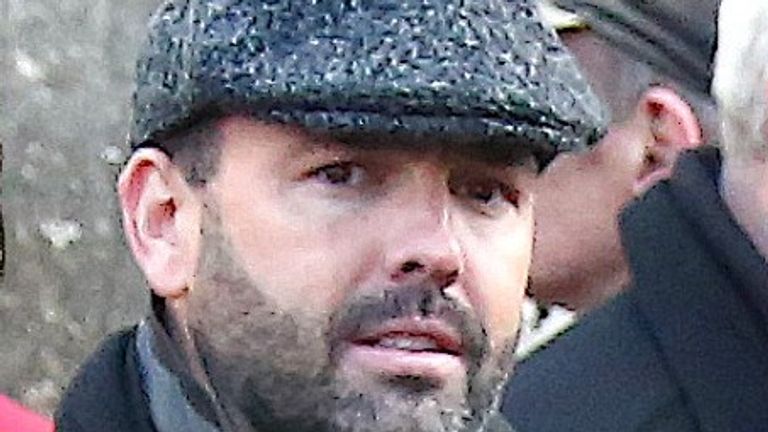
- Daniel Kinahan arrived at Casement Aerodrome in Baldonnel on Sunday.
- Detective Sergeant Colin Davidson arrested Kinahan at 6.49pm on foot of an Irish arrest warrant.
- Crowds gathered outside both the Casement Aerodrome and the Special Criminal Court to try to get a glimpse of Mr Kinahan.
- Kinahan appeared in court for a 14-minute hearing, with no legal representation.
- Kinahan is remanded into custody and transferred to Portlaoise Prison.
- Kinahan stated in court, 'I understand. I think we know I won’t be getting bail, but thank you.'
- His next court appearance is set for October 5, with the option to attend in person or via video link.
Daniel Kinahan, 49, was extradited from Dubai to Ireland on Sunday, where he was charged with directing the activities of a criminal organization. He was immediately taken to the Special Criminal Court and remanded to Portlaoise Prison without legal representation.35
Kinahan, alleged to be a leader of the Kinahan organised crime group, was arrested in the UAE on April 15 under an Irish arrest warrant. The extradition was confirmed by Irish and UAE officials, emphasizing their commitment to international judicial cooperation.
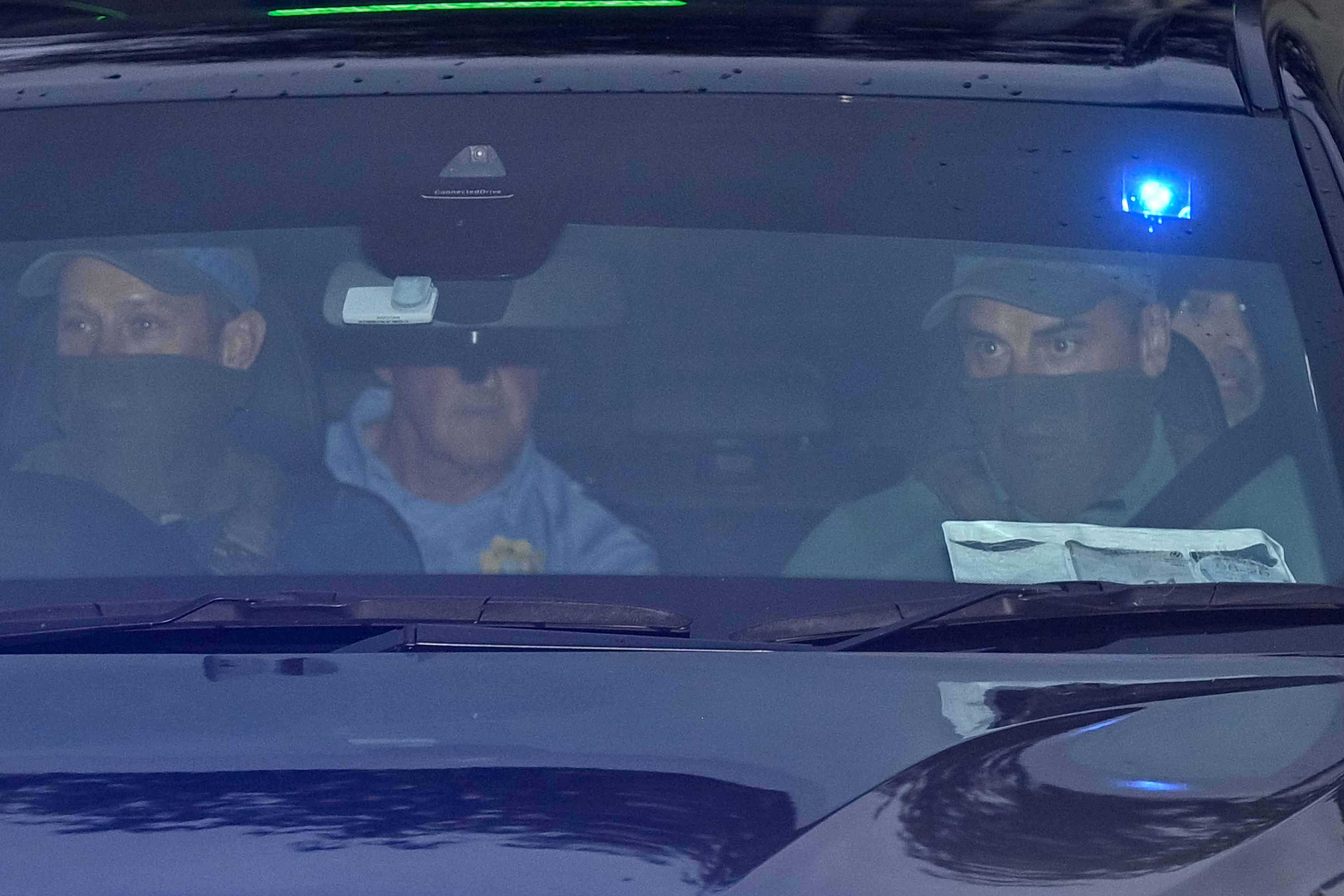
Crowds gathered at the Casement Aerodrome in Dublin to witness his arrival. In court, Kinahan expressed that he had been isolated prior to the hearing and believed a family member would contact a lawyer for him. He acknowledged the charges against him, which span from October 18, 2015, to April 6, 2017, and stated, “I think we know I won’t be getting bail, but thank you.”1
Judge McGrath informed him that his next court appearance is scheduled for October 5, with the option to attend in person or via video link. The case highlights the ongoing efforts to combat transnational organized crime, with Kinahan regarded as a high-profile target for prosecution.7
“Kinahan was arrested at Casement Aerodrome at 6.49pm and appeared in court for a 14-minute hearing without legal representation. He is due back in court on October 5, with bail applications to be made to the High Court.”

 The Independent