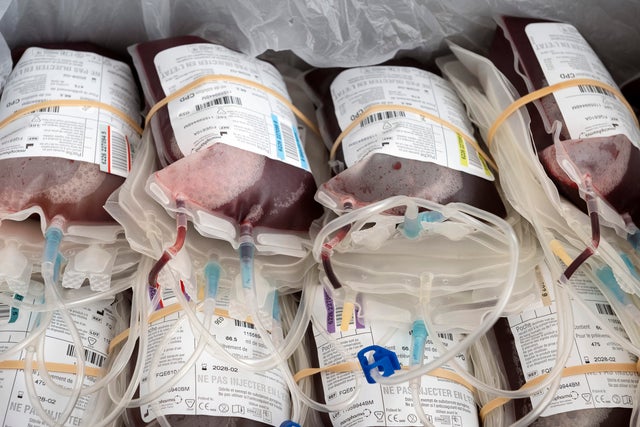
- Hackers attacked three French blood banks, raising freezer temperatures from -22 degrees to 230 Fahrenheit in an attempt to ruin the life-saving supplies.
- The attack directly targeted cold storage room monitoring and control systems at three regional blood banks, France's health ministry confirmed on Wednesday.
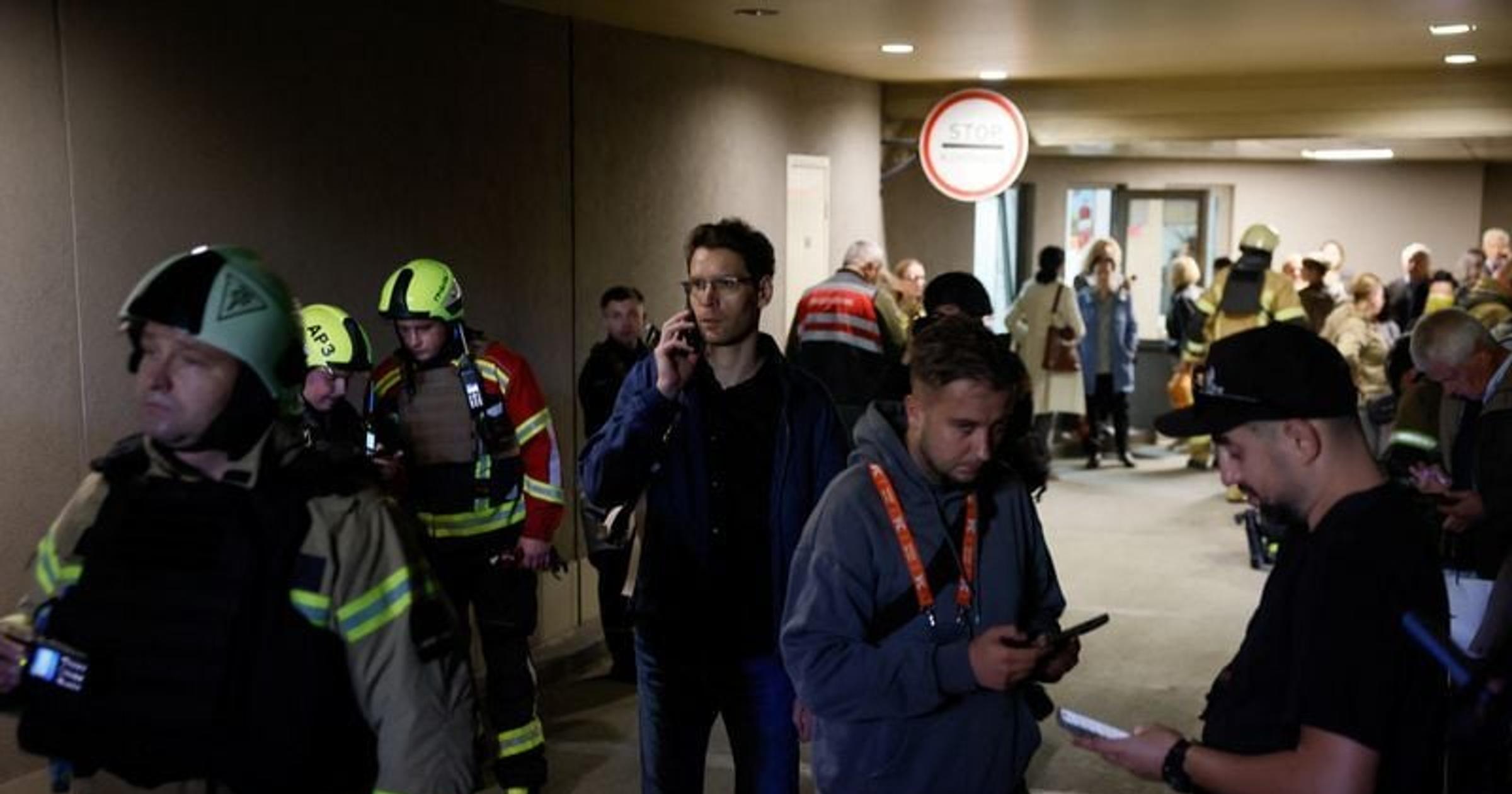
- A staff member said: “We have staff round the clock since blood can be needed at any time. They were warned about the problems by alerts and moved the blood to other refrigerators that were not connected.
- The equipment at the facilities were back under control on Wednesday, with the refrigerators remote access now disabled, the health ministry added.
- The attack coincided with a large-scale cyberattack targeting refrigerators at stores across eight European countries, including major retailers in Sweden, Belgium, Luxembourg and Estonia.
- In a separate incident, freezer units were hacked to reach 122 degrees Fahrenheit, causing groceries to spoil.
- The incidents have raised worries in the European Union (EU) about the vulnerabilities found in its infrastructure at a time when suspected Russian sabotage attacks have been on the rise.
Hackers raised temperatures in French blood bank freezers from -22°F to 230°F, threatening critical supplies. The attack targeted cold storage systems at three regional sites, confirmed by France's health ministry. Staff were alerted and moved blood to unaffected refrigerators.2
The cyberattack coincided with a broader assault on cold storage across Europe, impacting major retailers in countries like Sweden and Belgium. This incident has heightened concerns about infrastructure vulnerabilities within the European Union, especially amid rising fears of Russian sabotage activities.
The health ministry reported that the equipment was back under control by Wednesday, with remote access to the refrigerators disabled. The attack underscores the increasing risks faced by critical infrastructure in Europe, as hackers exploit weaknesses in monitoring and control systems.
“We have staff round the clock since blood can be needed at any time,” a ministry spokesperson stated, emphasizing the urgency of maintaining blood supply integrity. The incident raises alarms about the security of essential services and the potential for future attacks targeting vulnerable systems.3
“The attack coincided with a larger cyberattack on refrigerators in eight European countries, affecting retailers in Sweden, Belgium, Luxembourg, and Estonia. A separate incident saw freezer units hit 122 degrees Fahrenheit, spoiling groceries, and raising EU concerns about infrastructure vulnerabilities amid suspected Russian sabotage.”