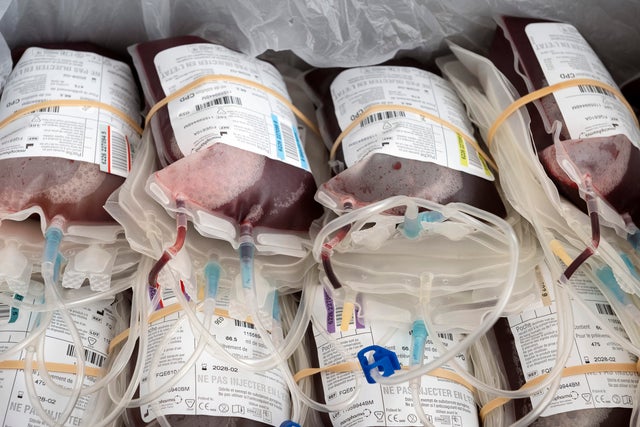
- Attackers raised temperature and defrosting thresholds in some cold storage rooms at the French Blood Establishment (EFS) via an outside refrigeration supplier.
- When alarms sounded, employees moved supplies to refrigerators without a network connection.
- Similar incidents hit supermarkets in eight European countries, with one Swedish supermarket reporting refrigerator and freezer controls set to 50°C (122°F).
- Swedish grocery chain Coop reconnected seven stores by Tuesday after disconnecting from the internet; 15 Carrefour stores in Belgium were affected.
- Carrefour had previously faced a similar attack on 80 franchised stores in France about three weeks earlier.
A cyberattack on the French blood service disrupted refrigeration controls at three sites, leading to urgent measures to protect blood supplies. Staff moved products to offline refrigerators as alarms alerted them to temperature changes caused by attackers who accessed systems via an external supplier.
The French Blood Establishment (EFS) confirmed that the attack was detected quickly, allowing employees to regain control of some equipment and take others offline. EFS spokesperson Charley Dubois emphasized the importance of constant monitoring, stating, "Staff are on duty around the clock because blood can be needed at any time."
The French Health Ministry reported that the situation was under control, with remote access to affected equipment disabled. Blood collection and distribution continued without interruption, and no health consequences were reported from the breach.
Simultaneously, similar cyberattacks targeted supermarkets across Europe, with reports of tampered refrigeration systems leading to food discards in eight countries. A Swedish supermarket chain, Coop, had to disconnect its refrigeration systems from the internet after controls were set to 50 degrees Celsius (122 degrees Fahrenheit). In Belgium, 15 Carrefour stores were also affected, highlighting a growing concern over cybersecurity threats to critical infrastructure.
Investigators are currently examining the methods used in the attack and assessing the affected equipment's safety for return to service.
“The attack came through an outside refrigeration supplier, raising defrosting thresholds in some rooms. Similar incidents hit stores in eight European countries, with one Swedish supermarket reporting controls set to 50°C (122°F).”