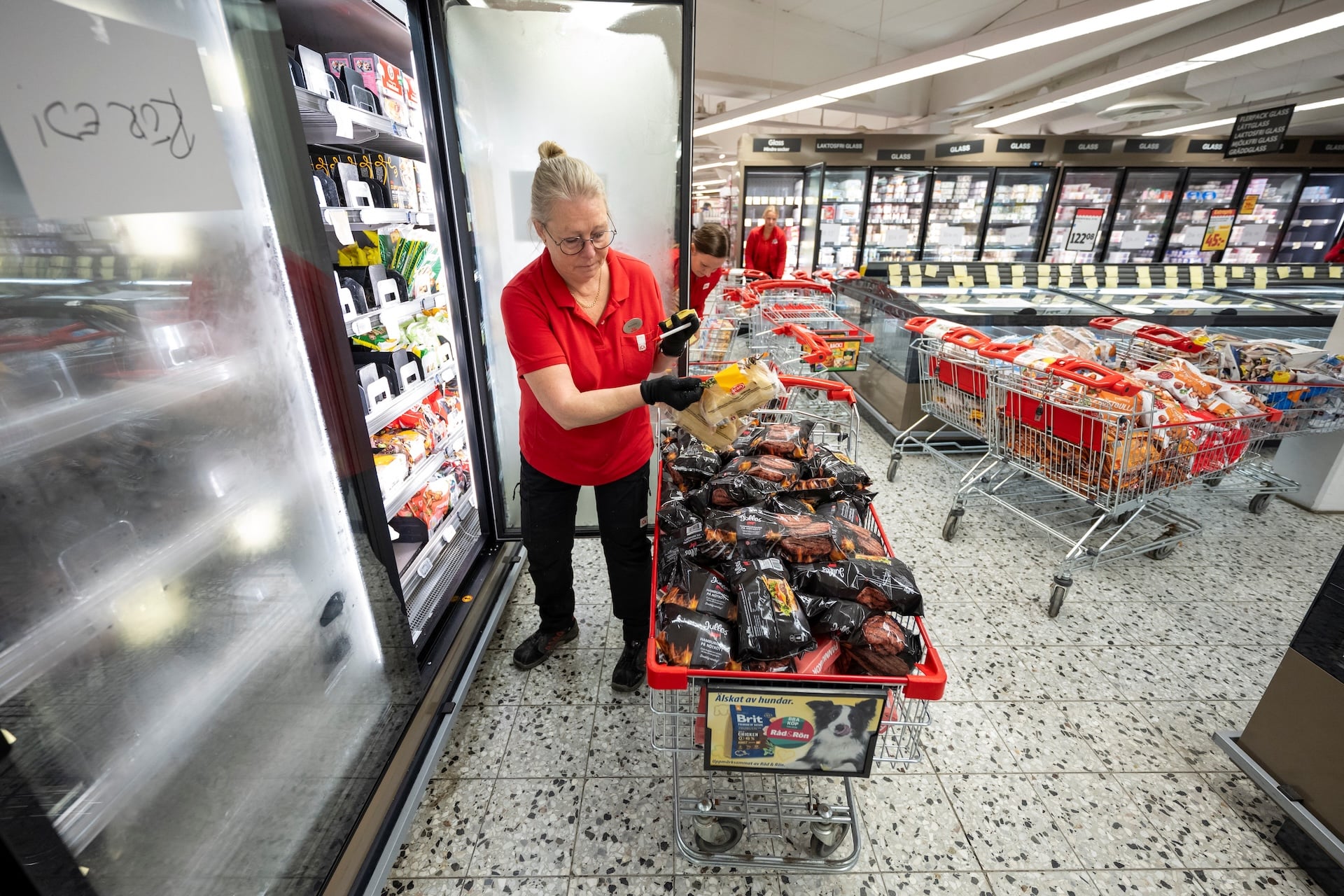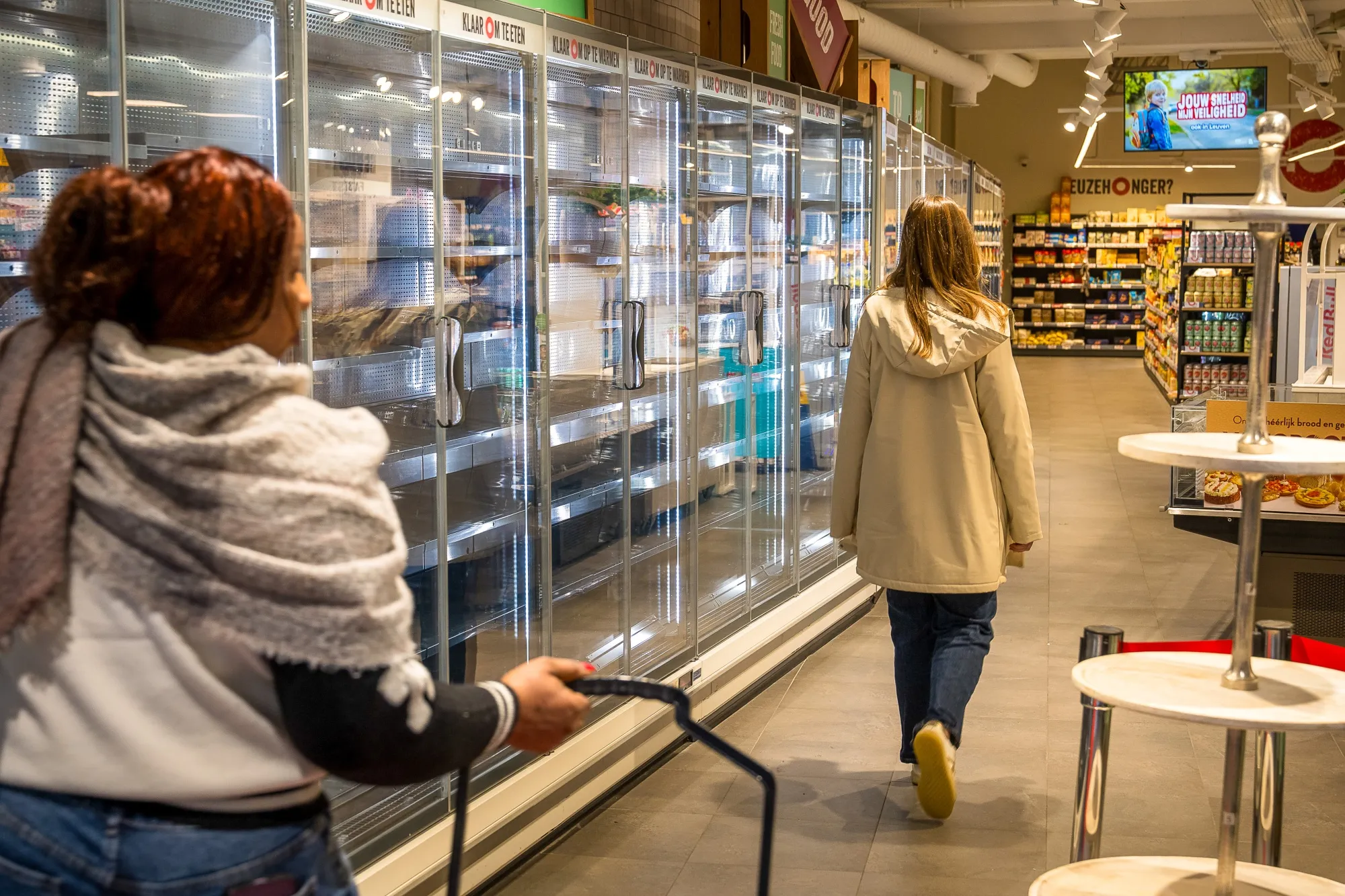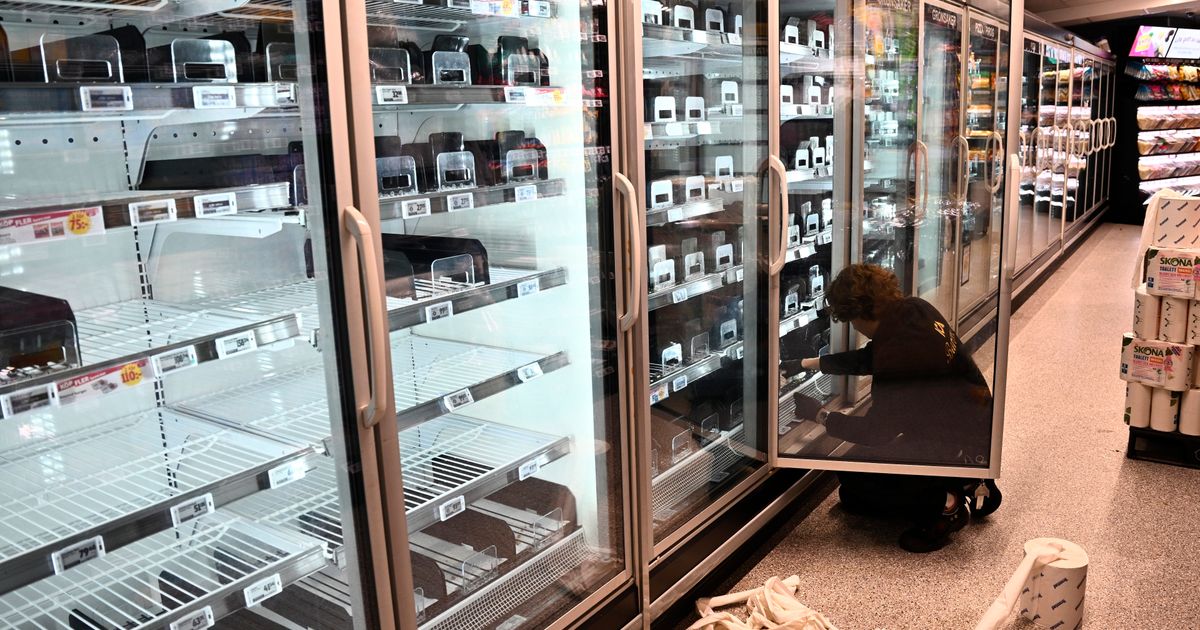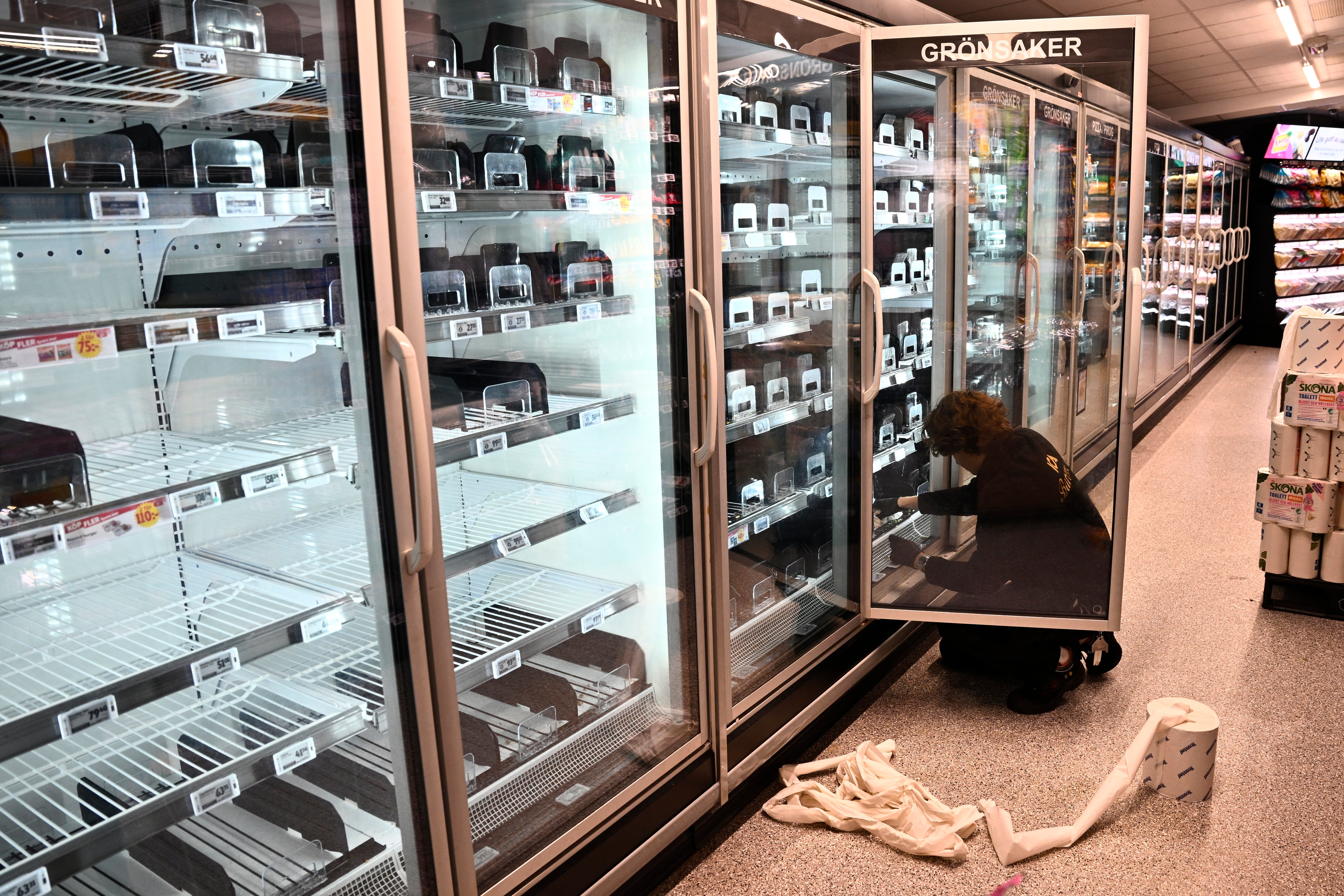
- In October, attackers targeted the refrigeration systems at hundreds of grocery stores in the U.S., and on November 1 a second wave struck stores in Sweden, the Netherlands, Ireland, Estonia, Finland and Luxembourg.
- The attackers hijacked the defrost cycle remotely, keeping the heating element on until the whole freezer warmed up.
- Retailers say they’ve lost millions of euros worth of produce and frozen goods so far.
- Both sets of attacks followed a similar string of freezer incidents at U.S. military bases back in August that the Pentagon now suspects was the work of hackers.
- The attack made the window to preserve food way shorter than if you were to take something out to defrost it on your counter, said Jonathan Sogin, a food science researcher at Cornell University.
- An electrical engineering professor at Carnegie Mellon University noted that there are tiny computers running there, figuring out what temperature to keep the refrigerator, and he is concerned that attackers could move up the supply chain to target distribution centers, potentially knocking out many grocery stores at once.
- One of the targeted control systems has had an out for this kind of security vulnerability since May 2025; updating outdated equipment and putting it behind better firewalls could have stopped attacks, according to Keith Stouffer, a cybersecurity expert at the National Institute of Standards and Technology.
A cyberattack on European supermarket refrigeration systems has caused extensive food spoilage, with retailers reporting losses in the millions of euros. The initial attack occurred in October, targeting grocery stores across Europe, and was followed by a second wave on November 1, affecting countries including Sweden, the Netherlands, Ireland, Estonia, Finland, and Luxembourg.124
The attackers remotely hijacked the defrost cycles of refrigeration units, causing temperatures to rise to 50 degrees Celsius (122 degrees Fahrenheit) overnight, which drastically shortened the window for preserving food. Jonathan Sogin, a food science researcher at Cornell University, noted that this method of defrosting is far less effective than traditional methods, stating it made the window to preserve food “way shorter than if you were to take something out to defrost it on your counter.”36
Retailers have reported losses of millions of euros in produce and frozen goods due to these attacks. Experts warn that similar attacks could target refrigeration systems in distribution centers, potentially impacting a larger number of grocery stores simultaneously. Keith Stouffer, a cybersecurity expert, emphasized the need for better security measures, suggesting that updating outdated equipment and improving firewalls could prevent such incidents in the future. He stated, “We’re going to be witnessing different types of attacks that have the same end result on damaging the food supply availability for customers.”789101112
The vulnerabilities exploited in these attacks have been known since May 2025, highlighting the urgent need for improved cybersecurity in the food supply chain.
“The attack method involved remotely keeping the heating element on until freezers warmed, a vulnerability known since May 2025. Keith Stouffer of NIST says updating outdated equipment and better firewalls could prevent future attacks, but experts worry attackers may target distribution centers.”