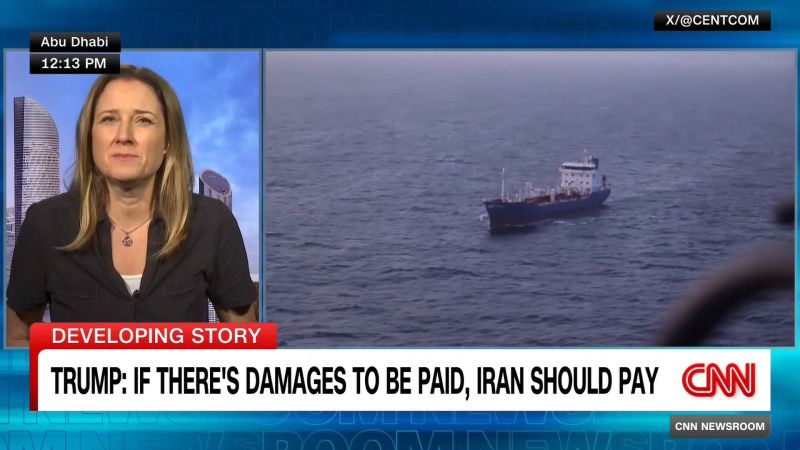
- Oil prices rose on Wednesday after deadly attacks on vessels in the Red Sea and Gulf of Oman heightened concerns over risks to global shipping routes, even as diplomats signaled progress toward reopening the Strait of Hormuz.
- Brent futures, the international benchmark, gained about 1.24% to $90 per barrel, while U.S. futures advanced 1.3% to $84.3 per barrel.
Oil prices surged on Wednesday as tensions escalated in the Red Sea and Gulf of Oman, following deadly attacks on vessels that raised fears over global shipping routes. Brent crude increased 1.24% to $90 per barrel, while U.S. futures rose 1.3% to $84.3.23
The violence, attributed to Iran-backed Houthi rebels, resulted in the deaths of six individuals during an attack on a cargo ship in the Bab el-Mandeb Strait, marking the first fatalities from such incidents in over a year. In a related event, U.S. forces engaged a container ship allegedly attempting to breach a blockade of Iranian ports in the Gulf of Oman.
These incidents highlight the ongoing impact of the nearly six-month-old conflict on critical global shipping routes, despite diplomatic efforts indicating potential progress toward reopening the Strait of Hormuz. Interactive Brokers Senior Economist José Torres noted that concerns over Middle East oil supplies remain significant, even as the U.S. and Iran appear to be inching closer to an agreement. He stated, “Investors have been awaiting a deal for a few weeks, and tangible progress is likely required for yields to fall significantly and stocks to rally further at this juncture.”
While there is optimism from Pakistan regarding a potential accord between Washington and Tehran, Torres emphasized that the market is still looking for concrete developments. He pointed out that the slight rise in oil prices reflects ongoing supply concerns stemming from the conflict.
“The attacks on vessels in the Red Sea and Gulf of Oman have raised fears for global shipping routes, even as diplomats signal progress toward reopening the Strait of Hormuz. Brent futures, the international benchmark, gained about 1.24% to $90 per barrel, while U.S. futures advanced 1.3% to $84.3 per barrel.”


 CNBC
CNBC