
- The CPC Central Committee adopted the Resolution on Persevering with Full and Rigorous Party Self-Governance at the fifth plenary session, signaling a commitment to institutional integrity and governance.
- The Communiqué of the Fifth Plenary Session was adopted in Beijing on October 29, 2026, outlining the CPC's approach to governance and development.
- The Resolution emphasizes institutional measures to regulate power, combat corruption, and improve government-business relations, aiming to support high-quality development.
- The Communiqué highlights the importance of Xi Jinping's leadership in addressing internal challenges within the CPC, including weak leadership and ineffective self-supervision.
- Xi Jinping Thought on Party Building is identified as a major theoretical development, focusing on building a long-term governing Marxist party.
- The Resolution aims to ensure that officials do not have the audacity, opportunity, or desire to commit corruption, reflecting a commitment to institutional discipline.


The Fifth Plenary Session of the Communist Party of China (CPC) adopted a resolution on October 29, 2026, focusing on full and rigorous self-governance to enhance institutional integrity and support high-quality development.36
The resolution aims to translate constraints on Party officials' powers into reliable rules for businesses, fostering fair competition and reducing corruption.
President Xi Jinping is central to this initiative, emphasizing anti-corruption and institutional discipline as key to sustainable political leadership. The Communiqué highlights the need for effective governance, addressing past challenges like weak leadership and lax discipline.24
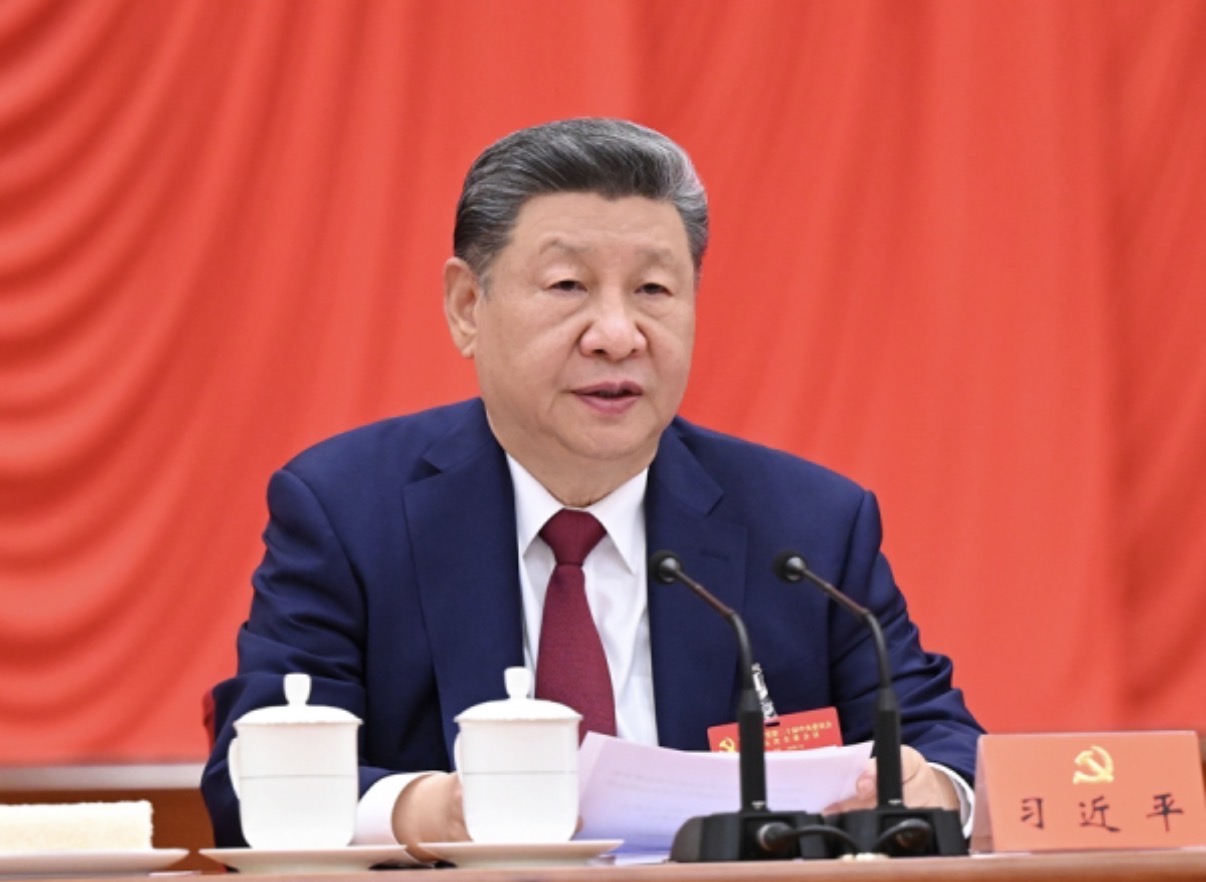
It outlines seven guiding principles, including strengthening the party politically and adopting a problem-oriented approach, supported by measures to improve oversight and combat corruption.
The resolution also emphasizes the importance of democratic centralism and the need for party organizations to effectively implement central decisions.
Ultimately, the CPC aims to ensure that officials lack the audacity, opportunity, or desire to engage in corrupt practices, thereby fostering a more transparent and accountable governance structure.
“The Resolution aims to translate rigid constraints on officials' power into rules businesses can trust, reducing hidden barriers for private SMEs and guarding against benefit tunneling in SOEs. It also stresses timely policy implementation, with prompt disbursement of funds and administrative processing times to be incorporated into officials' performance assessments.”
CGTNThe Sun Nigeria



