- COP31 opens in Antalya, co-hosted by Turkey and Australia, with Turkey overseeing voluntary targets (waste, electrification) and Australia the official UN negotiations on the 2015 Paris Agreement progress.
- Turkey's president warned of global risks and linked climate policy to development, food, energy, urban, and health policy.
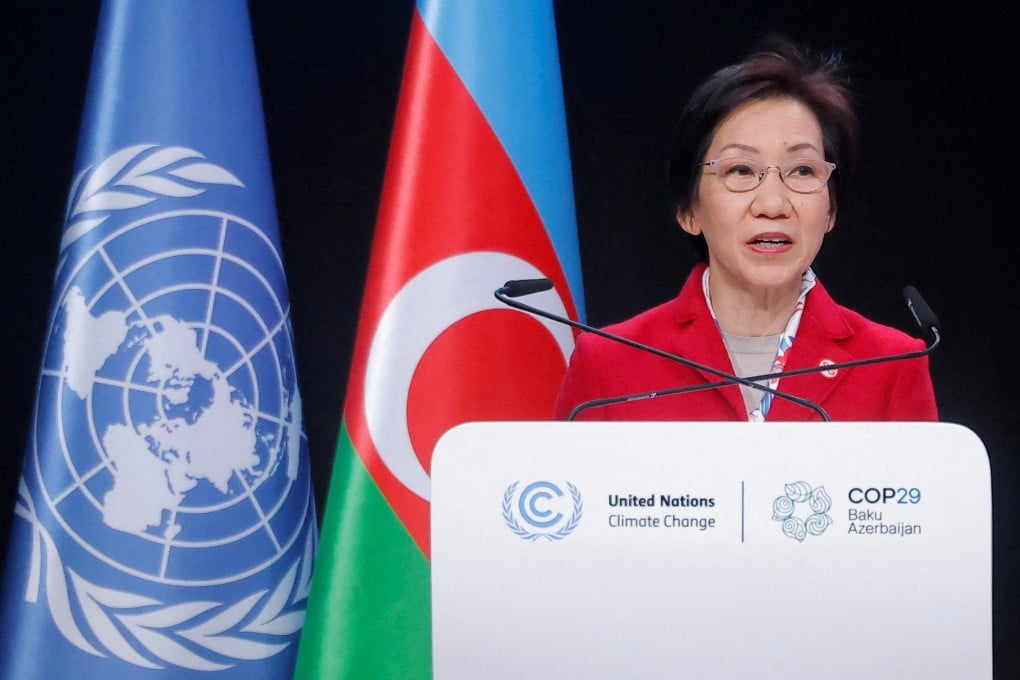
- UN climate executive secretary Simon Stiell warned that global heating is costing the Earth and called for urgent action, noting that renewables are now much cheaper than fossil fuels.
- Delegates faced logistical chaos, with transport issues and long queues, and some unable to attend opening meetings.
- Wastepickers' advocate Severino Catador expressed strong optimism about COP31 and called for recognition of wastepickers' rights in reducing waste and decarbonisation.
- London-based climate activist Russell Reed noted that positive news from Brazil and the US provides momentum after a rough few years.
- Mohamed Adow of Power Shift Africa stressed that the true test of COP31 will be whether agreements translate into real change beyond the negotiating halls.
COP31 opened in Antalya amid significant logistical challenges, with delegates facing long delays and frustrations. UN climate chief Simon Stiell emphasized the urgent need for action, stating, "Global heating is already costing the Earth: Appalling tragedy has hit the Himalayas..." He urged nations to transition to renewable energy, highlighting that global renewables saved around half a trillion dollars last year and $265 billion in the first half of this year alone.567
Despite the chaos, there is a cautious optimism among delegates. Severino Catador, president of the International Alliance of Wastepickers, expressed hope for positive outcomes, stating, "I feel super optimistic about the Cop..." Recent political changes in Brazil and the U.S. have also contributed to this optimism, with Russell Reed noting, "After a rough few years, we finally have some positive news to look at from Brazil and the [United] States."

Turkey's president highlighted the geopolitical uncertainties affecting climate policy, stating, "Climate shapes our food supply. Food influences migration..." The real test of COP31, according to Mohamed Adow, is whether it leads to tangible changes beyond negotiations, asking, "Can a farmer survive the next drought?" and "Can a country afford to power its development with clean energy?"
“Stiell noted renewables saved around $500 billion last year and another $265 billion in the first half of this year, making them cheaper than fossil fuels. He framed the crisis as a 'global health crisis of pandemic proportions,' linking it to maternal and newborn health impacts.”