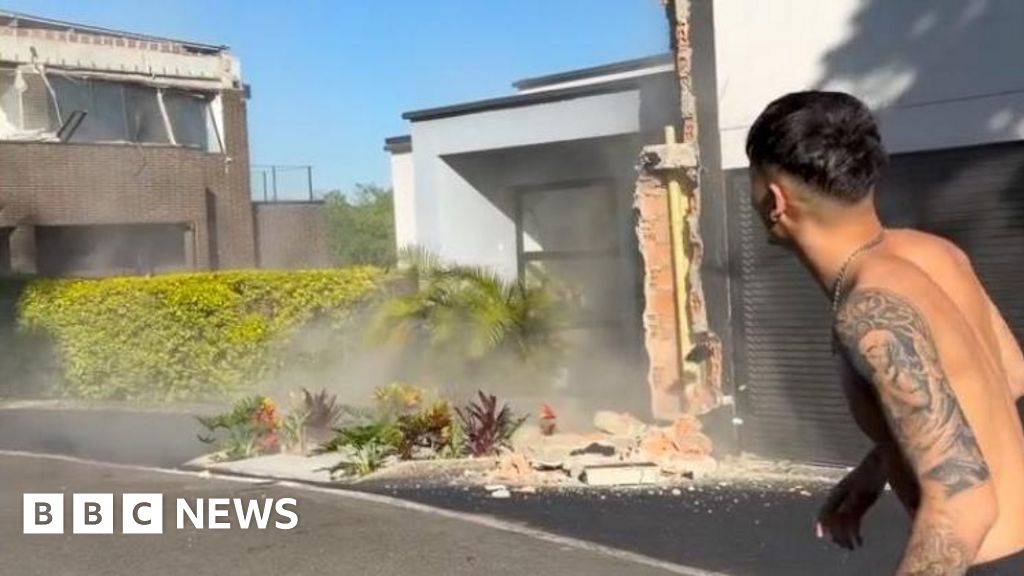
- A powerful earthquake struck Colombia, bringing down buildings, buckling roads, and crushing cars.
- The search for survivors grew more desperate two days after the quake.
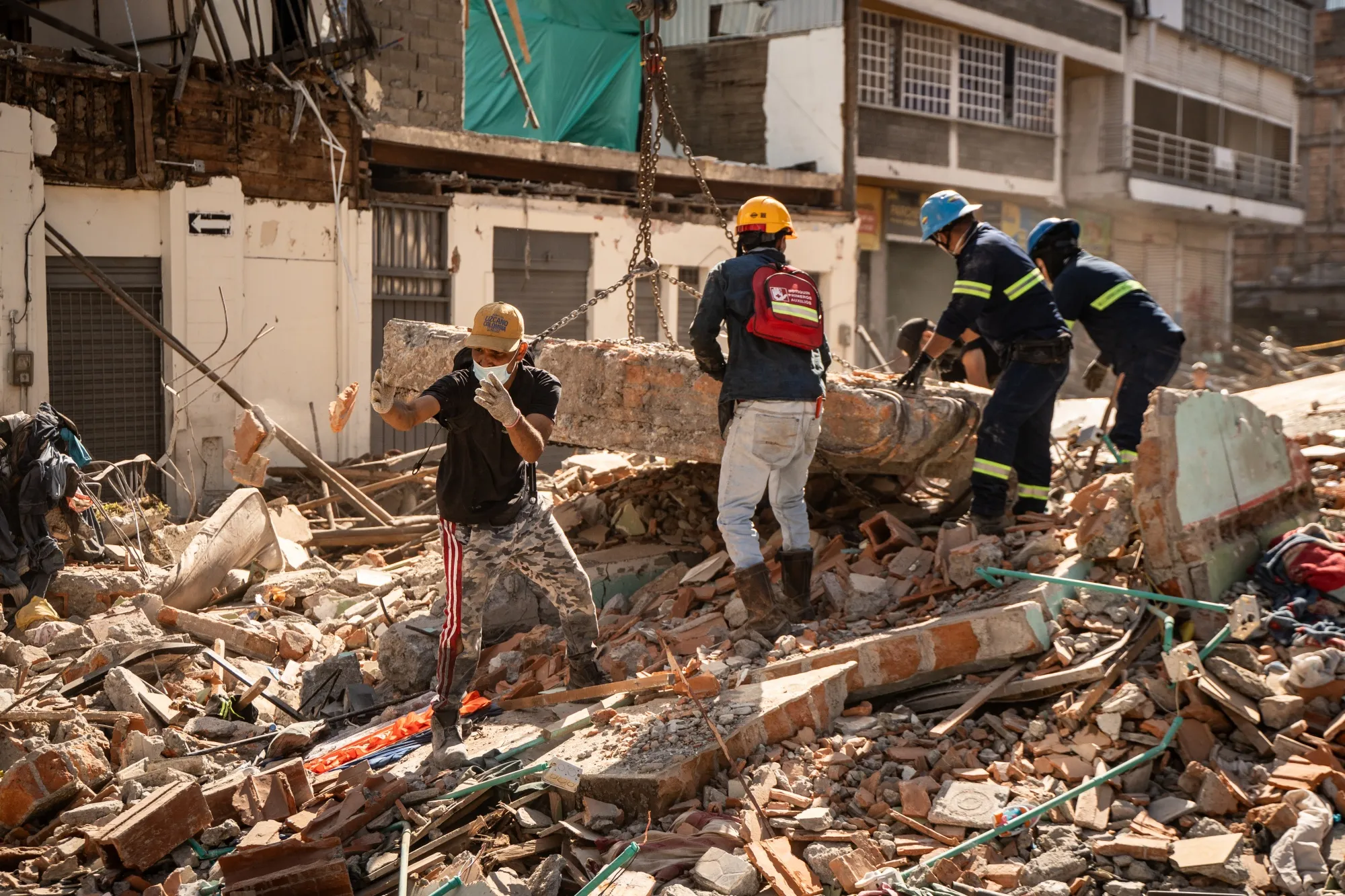
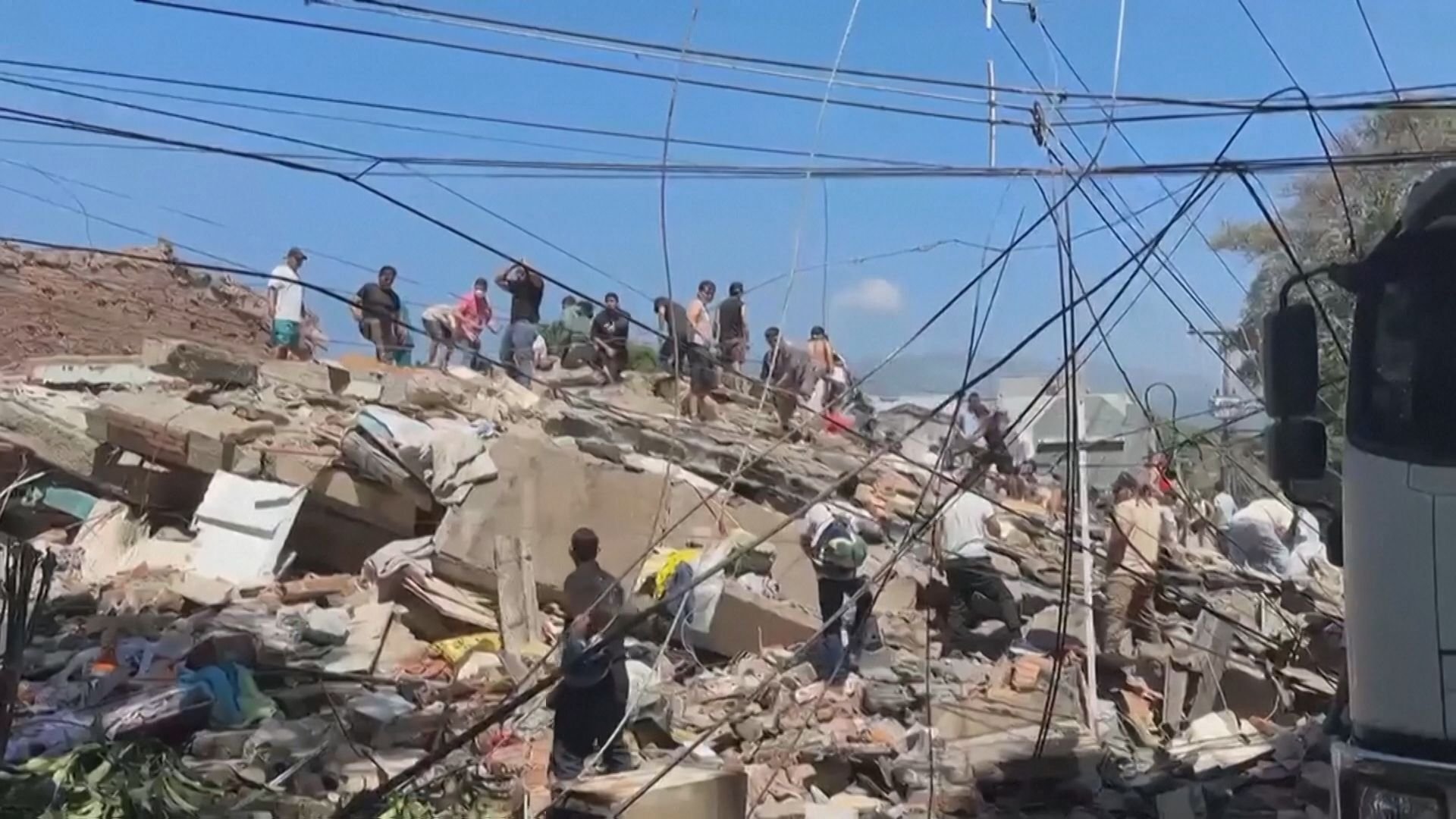
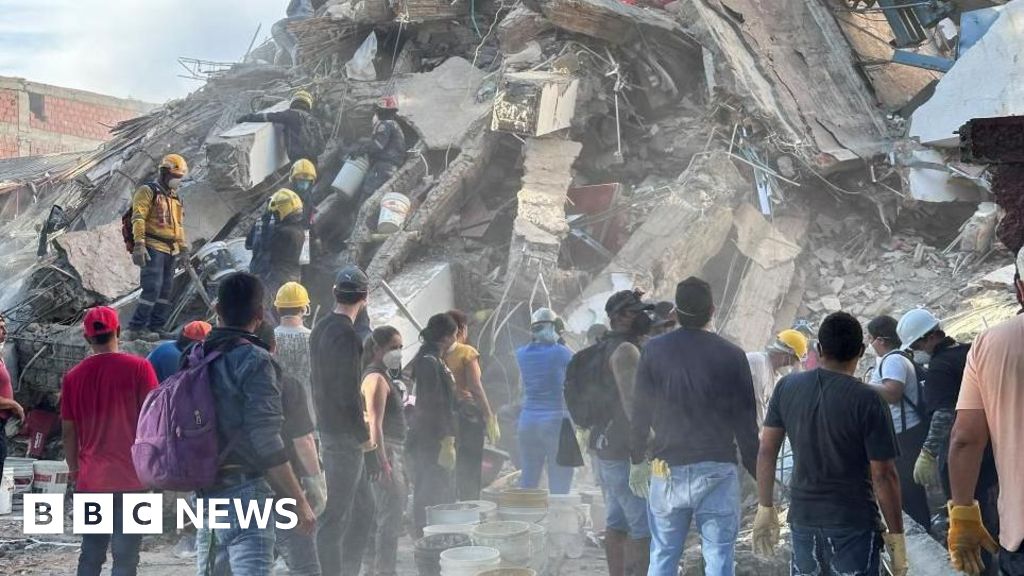
- Rescuers continued picking through rubble overnight in the hardest-hit cities of Cali, Pereira, Manizales and Quibdo.
- New President Abelardo de la Espriella's government is scrambling to respond, with at least 195 missing per official count, but civilian databases suggest closer to 4,000.
- The devastation has tested Colombia’s new President Abelardo de la Espriella and his government as it scrambles to respond to the natural disaster.
- Aid agencies consider the first 48 to 72 hours crucial for retrieving survivors.
- In many areas, the official response has been complicated by ongoing crises of deep poverty and civil warfare.
- There have been scenes of joy amid the devastation, including rescuers pulling a dust-covered baby through a crack in a concrete wall.
Rescue teams in Colombia are racing against time as they search for survivors in the aftermath of a devastating 7.4 magnitude earthquake that struck the country, killing at least 181 people and injuring 2,595 others.
The earthquake, which occurred two days ago, has left at least 195 people missing, although civilian-run databases suggest that number could be as high as 4,000.4
President Abelardo de la Espriella's government is under pressure to respond effectively to the disaster, which has severely tested its capabilities. “The devastation has tested Colombia’s new President Abelardo de la Espriella and his government as it scrambles to respond to the natural disaster,” noted a report.5
Rescuers are focusing their efforts in the hardest-hit cities of Cali, Pereira, Manizales, and Quibdo, where the search for survivors has become increasingly desperate. Aid agencies emphasize that the first 48 to 72 hours are crucial for retrieving survivors, although this window can be extended if victims have access to food and water.6
Amid the chaos, there have been moments of hope, with rescuers successfully pulling a baby from the rubble and cheering crowds celebrating the rescue of a woman. However, the official response has been complicated by ongoing issues of deep poverty and civil warfare that have plagued Colombia for decades.7
As the situation unfolds, the government faces the dual challenge of providing immediate aid while addressing the long-standing crises affecting vulnerable communities.
“At least 195 people remain missing per official count, but civilian databases suggest closer to 4,000. Teams are focusing on Cali, Pereira, Manizales and Quibdo, where the first 48 to 72 hours are crucial for finding survivors alive.”