Sources: 

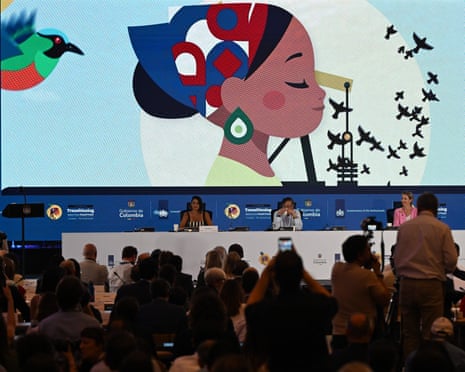
Colombia's President Gustavo Petro issued a stark warning during the climate summit, characterizing the current capitalist model as not only
'suicidal' but also a pathway to
war and
fascism. This assertion echoes through the backdrop of the summit, where over 60 nations, including high-level officials, gathered in
Santa Marta, Colombia, aiming to determine actionable steps to phase out fossil fuels.
Petro pointed fingers at fossil fuel interests for hindering the necessary transition to renewable energy. He stated,
'There is inertia in the power and the economy of this archaic form of energy – fossil fuels – that lead to death.' He added,
'We are heading towards barbarism. And barbarism is the prelude to, or the very essence of, fascism.' This harsh critique positions Colombia as an emerging leader in advocating for a sustainable energy future.
The summit's aim is clear: to inspire nations to embrace a
coalition of do-ers, primarily through actionable commitments to lessen dependency on oil, gas, and coal. The event signaled a call to galvanize collective ambition into concrete action, as stated by Colombia's environment minister,
'Let this conference be the moment when ambition becomes action.' However, the absence of the Trump administration highlights a polarized climate agenda, with some countries arguing for more significant participation from the largest emitters.
As the world grapples with climate change and its implications, Colombia's conference seeks to be a pivotal moment in history, stressing urgency in tackling these pressing global challenges.
Sources: Colombia's president, Gustavo Petro, warned at a climate summit that a 'suicidal' capitalism model is leading to war and fascism, urging a transition to green energy. Over 60 nations gathered in Santa Marta to discuss phasing out fossil fuels and committing to a more sustainable future.