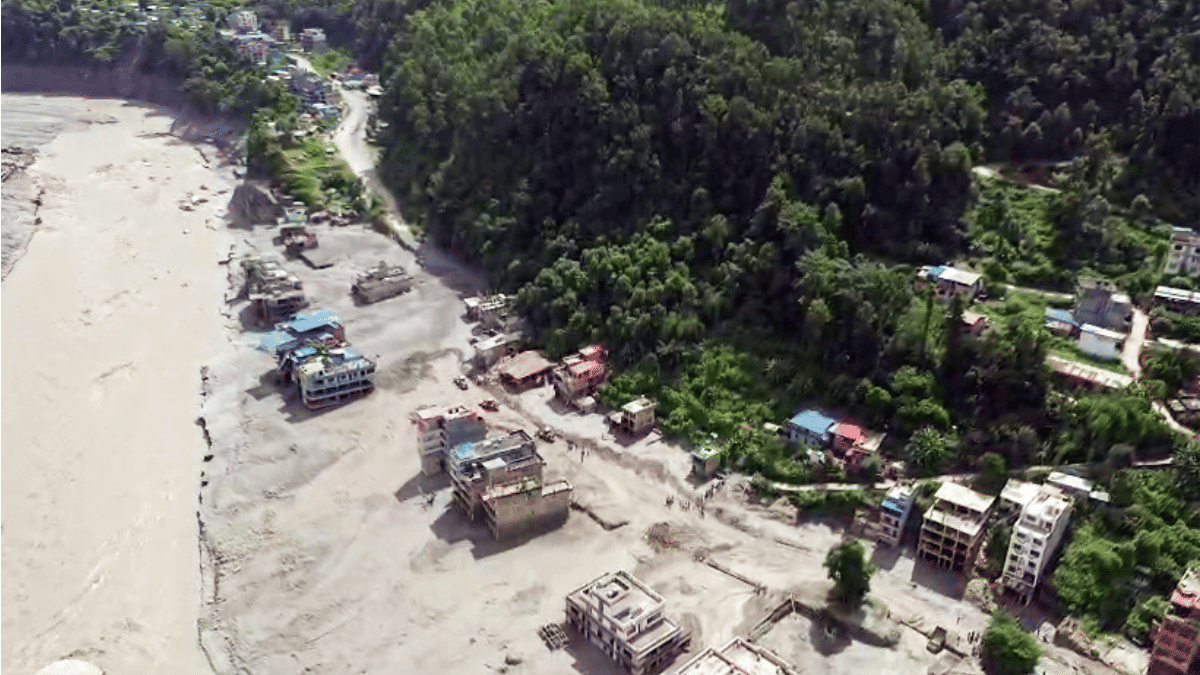
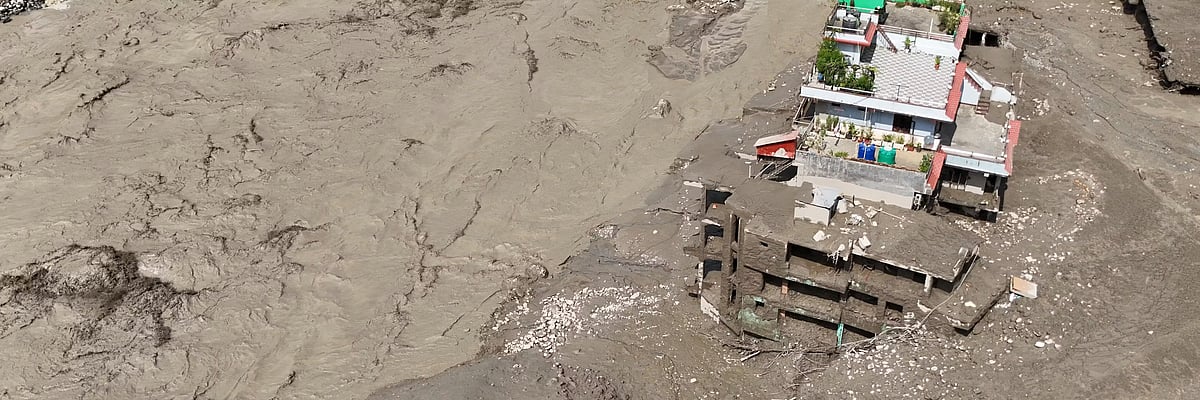
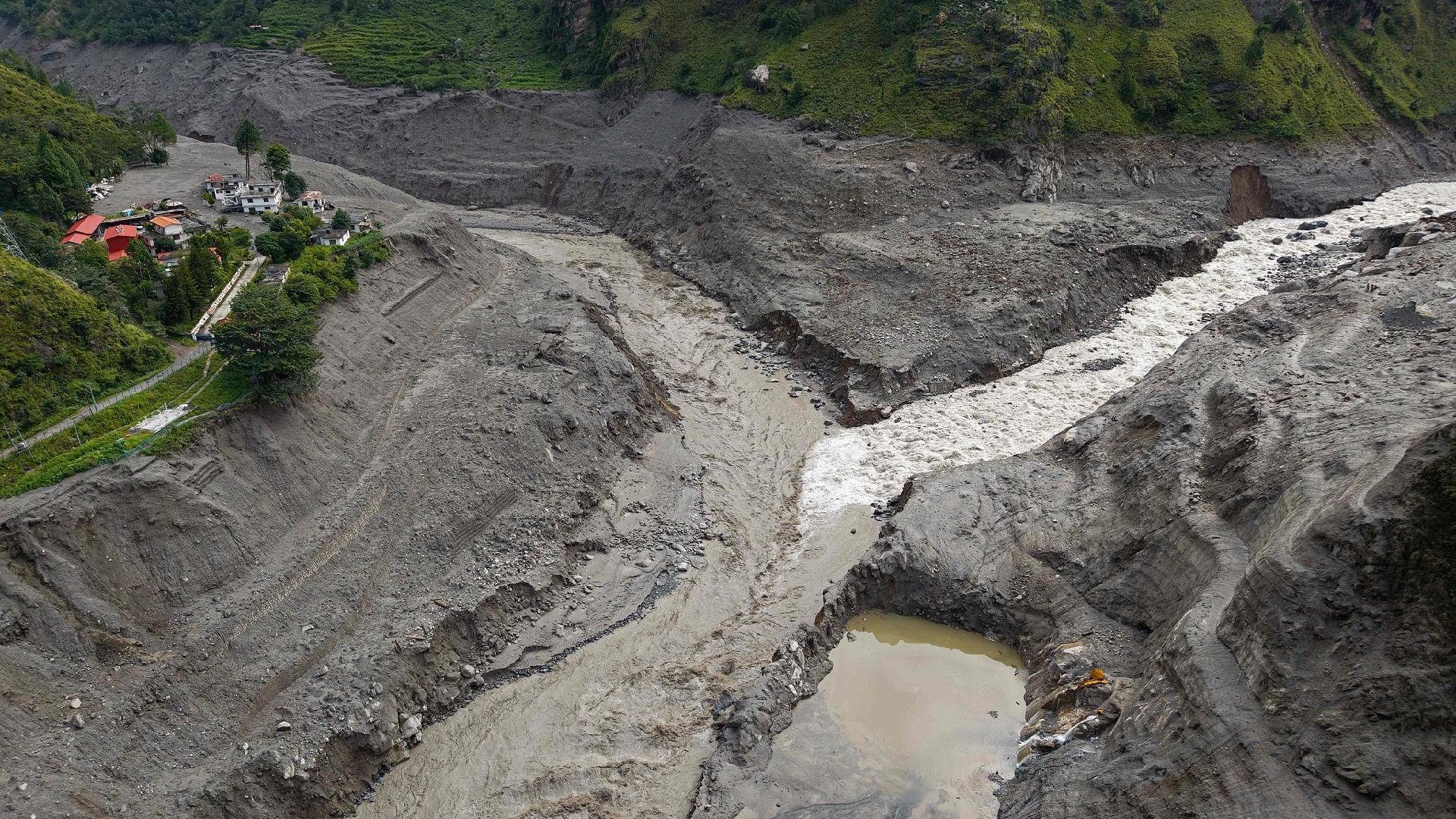
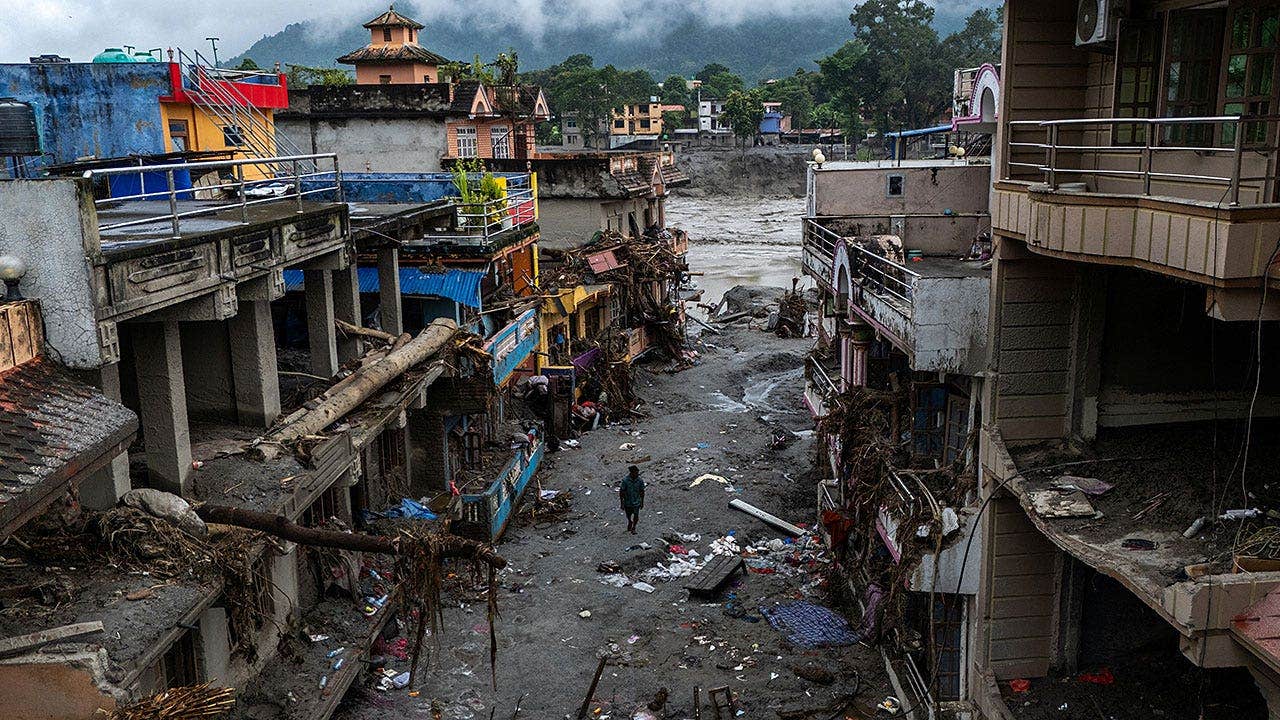
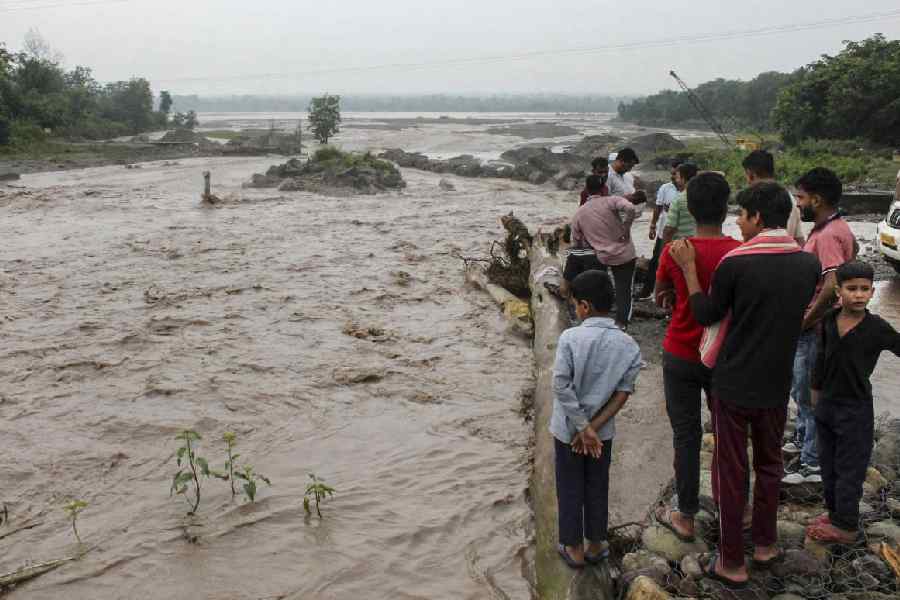
- A catastrophic flood hit Nepal, causing widespread destruction.
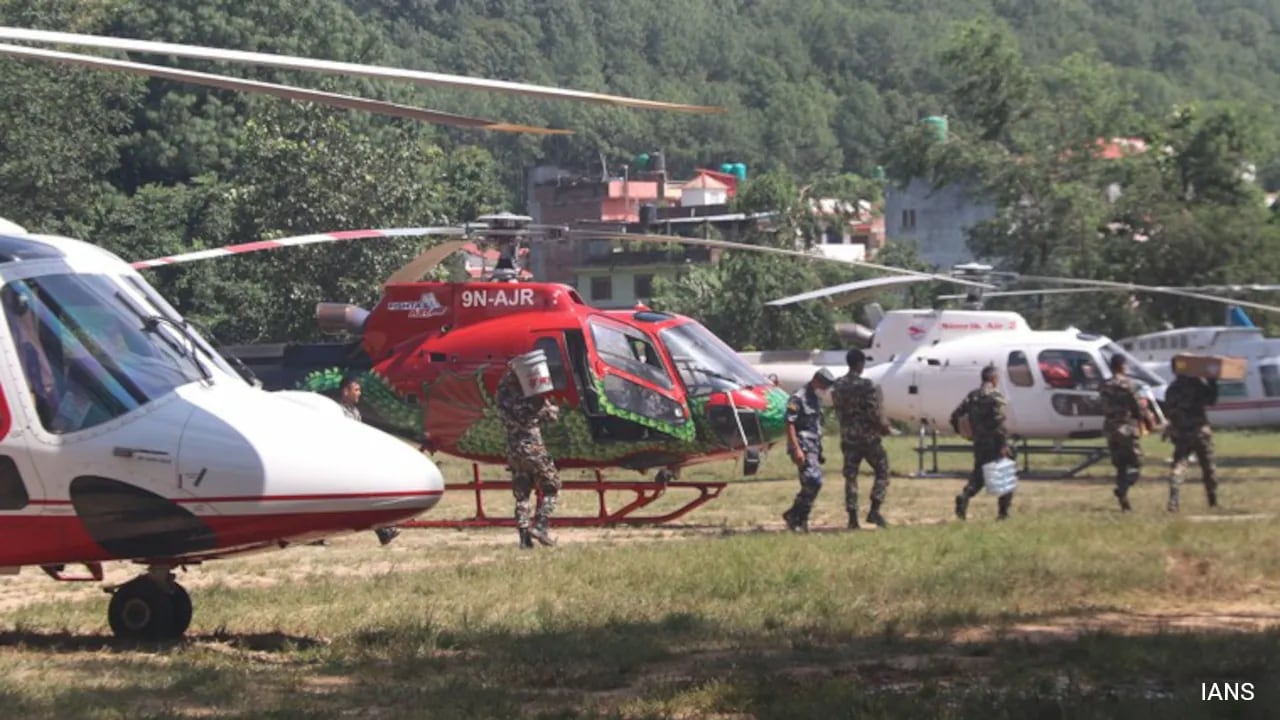
- Rescuers are trying to find survivors believed to be trapped inside tunnels of several hydroelectric plants, with 279 people rescued from the ruins of hydropower projects but at least 639 more still missing.
- Officials express diminishing hope for finding survivors as days pass, with Binoj Basnet stating, "Looking at the nature of the disaster and the area which has been hit by the flood, as days go by there are less chances of human survivors."
- Prime Minister Balendra Shah announced a shift from search, rescue, and relief operations towards rehabilitation and reconstruction, focusing on protecting lives and providing medical treatment and psychological counselling.
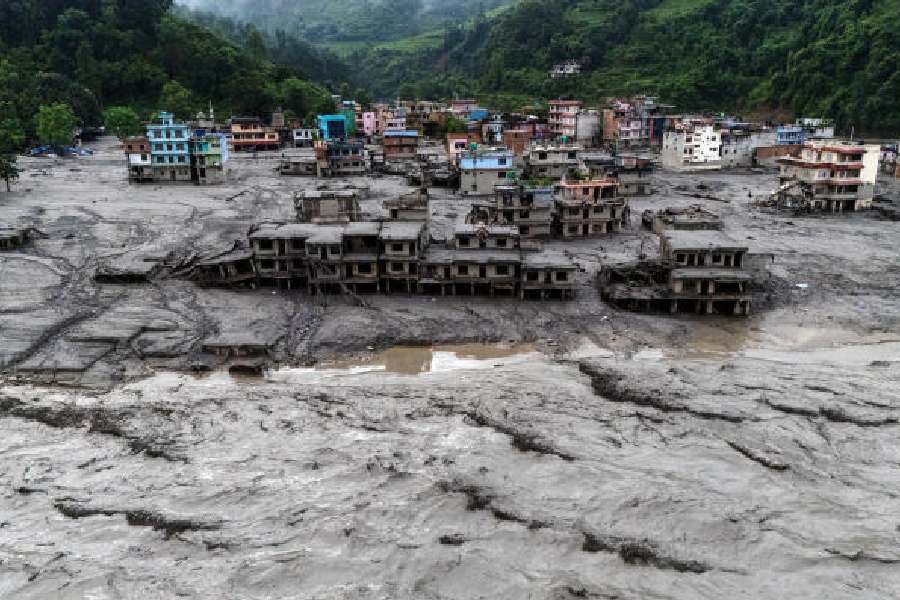
- The disaster left at least 2.2 million tons of debris, according to the United Nations Development Programme (UNDP), including parts of buildings, rocks, and sediment.
- U.N. spokesperson Stephane Dujarric expressed concern about the growing public health risk from overcrowded shelters, contaminated water, and damaged health facilities, particularly for women and children during the monsoon season.
- About 3,900 people remain unaccounted for and nearly 3,500 people are living in 27 displacement sites across the hardest-hit districts of Nuwakot and Rasuwa.
A week after devastating floods in Nepal, hopes of finding survivors are fading. Authorities report that 639 people are still missing, while 279 have been rescued from hydroelectric tunnels. The floods, triggered by a glacier collapse, have resulted in at least 1,050 fatalities and left nearly 4,000 unaccounted for.
"The hope of finding survivors is decreasing," said Phanindra Paudel, a senior official at the National Emergency Operation Center (NEOC). Rescuers are focusing on tunnels of hydropower plants, where many are believed to be trapped.
Retired army general Binoj Basnet noted, "Looking at the nature of the disaster... there are less chances of human survivors." Prime Minister Balendra Shah announced a shift in focus from rescue to rehabilitation and reconstruction, emphasizing the need for medical treatment and psychological support for affected individuals.56
The disaster has left 2.2 million tons of debris, equivalent to six Empire State buildings, complicating recovery efforts. U.N. spokesperson Stephane Dujarric expressed concern over public health risks in overcrowded shelters, particularly for women and children during the monsoon season. Currently, 3,500 people are living in 27 displacement sites across the hardest-hit districts of Nuwakot and Rasuwa.78910
“Rescuers have pulled 279 people from hydropower ruins, but at least 639 remain missing, some believed trapped in tunnels. The disaster left 2.2 million tons of debris, and UN officials warn of public health risks from overcrowded shelters and contaminated water.”