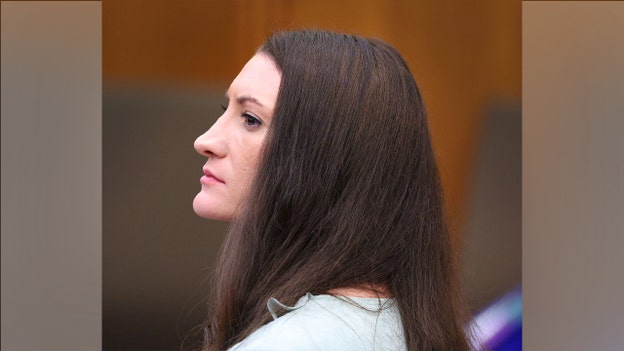
- The jury in the Lindsay Clancy murder trial has entered its third day of deliberations without a verdict, with the panel of nine women and three men weighing whether Clancy was criminally responsible when she killed her three children.
- On Friday, the jury spent 6 hours and 44 minutes deliberating and sent a note asking to see the 2 bags of pills and the knife Clancy used during her suicide attempt.
- Clancy faces three counts of first-degree murder in the deaths of her children, Cora, Dawson and Callan.
- She does not dispute killing them but says she was suffering from postpartum psychosis.
- The defense attorney, Kevin Reddington, said he has no idea how long the jury will deliberate but will accept their decision, stating: "I've been around long enough to know that whatever a jury says, we accept, and that's it. These people have devoted five weeks of their life."
- Retired Massachusetts Judge Jack Lu explained that if Clancy is found not guilty by reason of insanity, she would be initially committed to a maximum-security mental health facility, with officials periodically moving to recommit her based on danger to herself or others, a process that could repeat "year after year after year."
- Legal analyst Cully Stimson said the judge's instruction to jurors about the maximum penalty for each charge could lead to "sentence bargaining" and possibly a compromise verdict such as manslaughter.
The jury in Lindsay Clancy's murder trial has entered its third day of deliberations without a verdict, as they consider whether she was criminally responsible for the deaths of her three children, Cora, Dawson, and Callan. Clancy, who faces three counts of first-degree murder, admits to the killings but claims she was suffering from postpartum psychosis at the time.134
The jury, consisting of nine women and three men, has deliberated for over six hours on Friday alone, and they are tasked with determining if Clancy knew right from wrong when she committed the acts. Prosecutors argue that she acted deliberately, while the defense maintains that her mental state impaired her judgment.
On Friday, jurors requested to see the two bags of pills and the knife Clancy used during her suicide attempt, indicating they are closely examining the evidence. Legal experts suggest that the judge's instructions regarding potential penalties may influence the jury's decision-making process, potentially leading to a compromise verdict.2
Kevin Reddington, Clancy's defense attorney, expressed uncertainty about the jury's timeline, stating, "I've been around long enough to know that whatever a jury says, we accept, and that's it." Meanwhile, a retired judge highlighted the complexities of a potential not guilty by reason of insanity verdict, noting that it could lead to a lengthy commitment process in a mental health facility.56
As deliberations continue, the public and legal analysts await the jury's decision, which could have significant implications for Clancy's future and the understanding of mental health in criminal cases.
“The nine-woman, three-man jury spent 6 hours and 44 minutes deliberating Friday and asked to see the 2 bags of pills and the knife used in Clancy's suicide attempt. Defense attorney Kevin Reddington said he'll accept whatever the jury decides, noting they've devoted five weeks of their life.”


 Fox News






