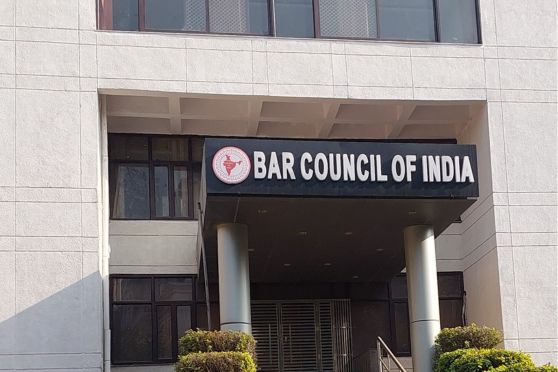
- The Supreme Court directed that no punitive action be taken against students or faculty of the NALSAR University of Law, Hyderabad, frowning on the BCI for targeting them over a campus protest.
- Chief Justice of India Surya Kant criticized the BCI for interfering, stating, "It is a dialogue between students and me; who are they (BCI) to unnecessarily interfere in the matter?"
- Justice Kant observed orally that the BCI action is "totally unacceptable and uncalled for", emphasizing that students have a right to protest and that the BCI has nothing to do with it.
- The bench issued a notice to the BCI and fixed the next hearing for September 3, ordering that "no punitive action" be taken against NALSAR students or faculty at the instance of the BCI or any state bar council.
- On Friday, senior advocate K. Parmeshwar mentioned the BCI order before the bench of Justice Kant, Justice Joymalya Bagchi and Justice V. Mohana, seeking an early hearing on behalf of NALSAR ex-students Mihira Sood and Abhishek Tiwari.
- Justice Bagchi asked whether the BCI had convened a proper meeting before its decision; advocate Radhika Gautam for the BCI said the directive had been withdrawn fully.
- Thursday's BCI order alleged "groupism and dirty politics" among some NALSAR academic staff and sought a report from the vice-chancellor.
- Former students of the NALSAR University of Law, Hyderabad wrote an open letter to Bar Council of India chairman Manan Kumar Mishra, condemning the BCI's crackdown on fresh graduates as an "unconstitutional, arbitrary and inhumane" assault on free speech.
- The alumni criticized the BCI's order as "distasteful" and its language as vilifying students and faculty with allegations of "groupism", "dirty politics", "nasty politics" and "instigating and misguiding students".
- The letter faulted the BCI for calling for "identifying and reporting persons" involved in the campaign, arguing that all such actions are protected under free speech and that "voicing dissent is not a criminal offence in India".
- The alumni said the BCI's order betrayed a predisposition to employ coercive measures in disregard of fundamental rights, the well-being of students, and the autonomy of universities as a space for deliberation.
- Calling the campus protests an internal matter of NALSAR, the open letter said it was no occasion for a statutory body to call for a "witch-hunt" of students and faculty, and that the BCI has no role in regulating free speech on university campuses.
- The open letter said legal education requires "an ecosystem for a free-thinking and responsible citizenry to flourish", as it aims to promote the rule of law.
- The alumni stressed that lawyers across the ideological spectrum had come together during India’s struggle for independence and exercised their right to speak freely, and that law students in India are inheritors of that legacy.
The Bar Council of India (BCI) faced backlash after it attempted to prevent NALSAR University of Law graduates from enrolling as advocates, citing a campus protest against Chief Justice Surya Kant's attendance at a convocation. The BCI's order was labeled as 'unconstitutional' by over 400 alumni, who condemned it as an attack on free speech.2
The Supreme Court intervened, with Chief Justice Kant stating, “If the students have a cause to protest, let them protest. They have a right to protest… This (the BCI action) is totally unacceptable and uncalled for.” He emphasized that the BCI has no role in regulating free speech on university campuses.3
The BCI's initial order accused NALSAR of fostering 'groupism' and 'dirty politics', prompting alumni to criticize its language as 'distasteful' and 'unbecoming' of a statutory body. They argued that the BCI's actions suggested a criminal conspiracy among students and faculty, which is protected under free speech rights in India.
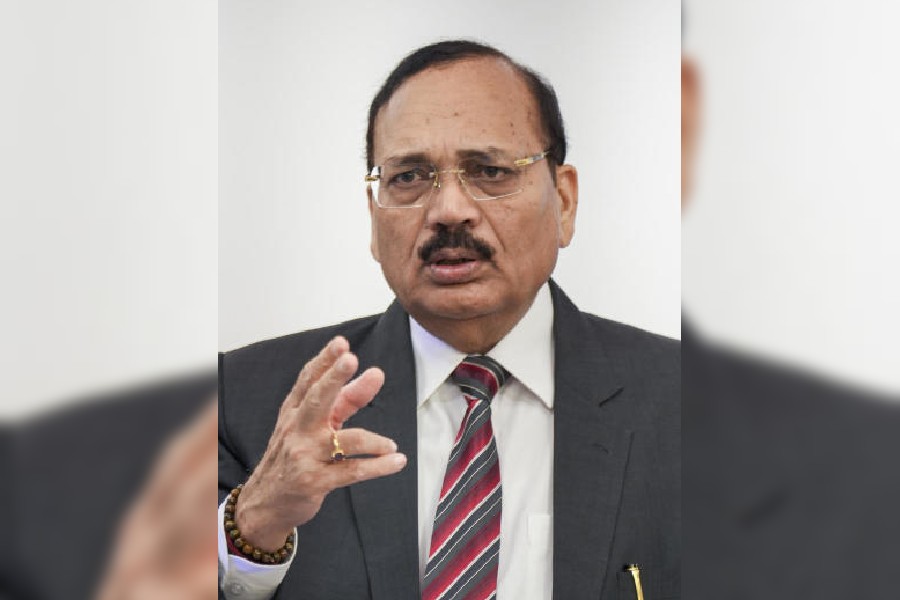
Justice Kant remarked that the NALSAR 2026 law graduates are welcome to join the Supreme Court Bar, reinforcing the importance of legal education in promoting a free-thinking citizenry. The BCI has since withdrawn its directive, acknowledging the uproar it caused.
The Supreme Court has scheduled a follow-up hearing for September 3, ensuring that no punitive measures will be taken against the students or faculty involved in the protest.4
“The Supreme Court's directive also barred any state bar council from taking punitive action, and the next hearing is set for September 3. Over 400 alumni had signed an open letter calling the BCI's move an 'unconstitutional, arbitrary and inhumane' assault on free speech.”