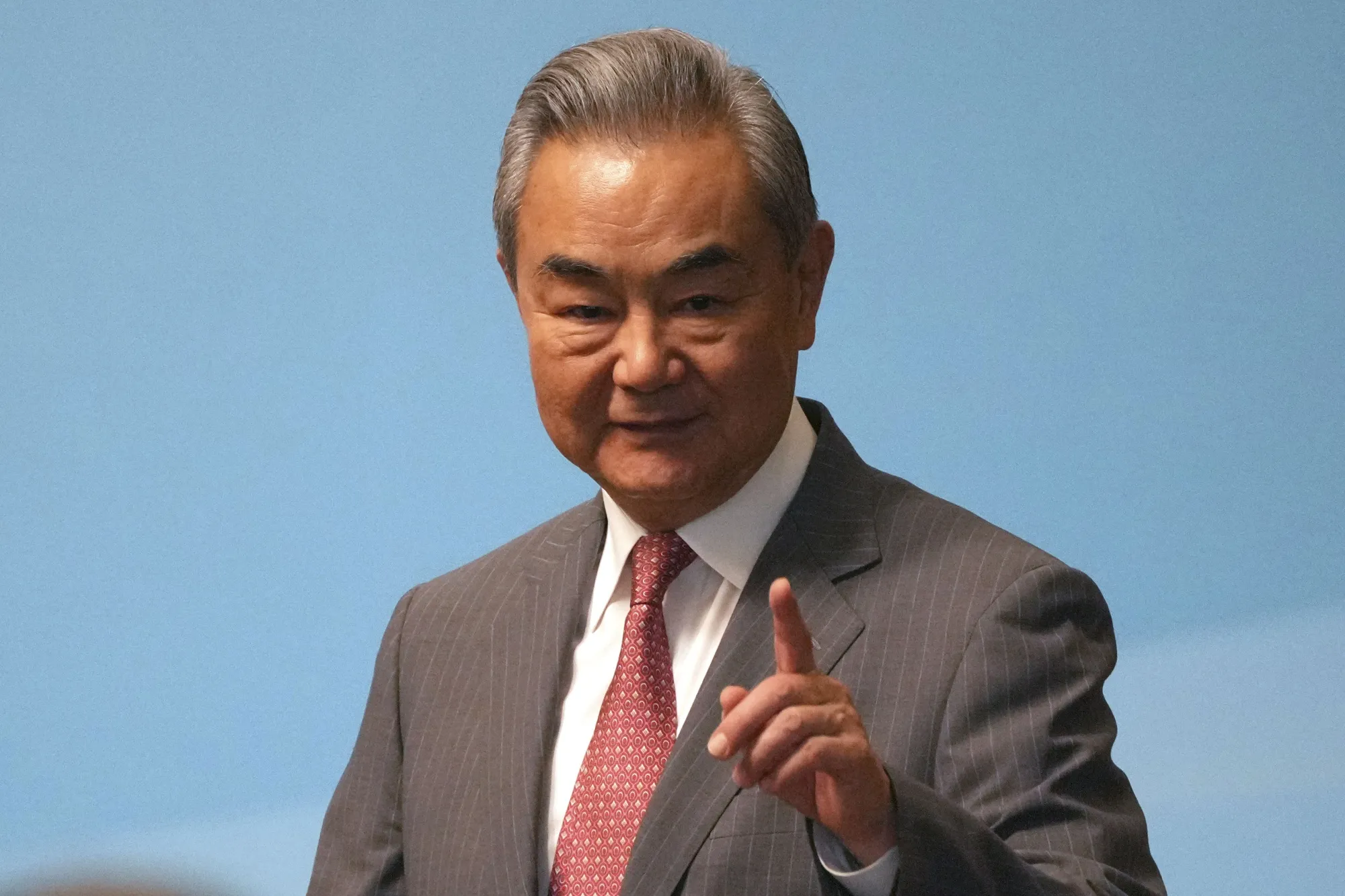
- Chinese Foreign Minister Wang Yi’s first trip to South Korea in nearly five years offers Beijing a chance to further stabilize ties with its neighbor while capitalizing on the growing tensions between Seoul and Washington.
- He will meet South Korean Foreign Minister Cho Hyun in Seoul on Wednesday and also hold talks with President Lee Jae Myung.
- The two sides will discuss North Korea and bilateral and global issues, according to South Korea’s Foreign Ministry.
- Wang kicked off talks with counterpart Cho Hyun soon after his arrival, discussing Korean Peninsula issues, including recent developments surrounding the military exercises.
- Wang said in Seoul that Washington should change its 'hostile policy' towards Pyongyang, South Korea's Yonhap said.
- Maintaining peace and stability on the Korean Peninsula and promoting the political settlement of the Korean Peninsula issue is in the common interests of all parties.
- Wang Yi said in his opening remarks at the summit with Cho, adding Beijing would 'make efforts that we rightfully should.'
- We also hope that South Korea and North Korea can gradually pursue opportunities for peace and coexistence, and we sincerely wish for lasting stability and development on the Korean Peninsula.
Chinese Foreign Minister Wang Yi visited South Korea from August 19 to 22, marking his first trip in nearly five years. The visit aims to stabilize relations amid escalating tensions between Seoul and Washington.14578
Wang met with South Korean Foreign Minister Cho Hyun and President Lee Jae Myung to discuss critical issues surrounding North Korea and bilateral relations.23
The discussions included recent military exercises and the need for a political settlement on the Korean Peninsula. Wang emphasized that Washington should change its 'hostile policy' towards Pyongyang, highlighting the importance of peace and stability in the region.6
“Maintaining peace and stability on the Korean Peninsula and promoting the political settlement of the Korean Peninsula issue is in the common interests of all parties,” Wang stated during his opening remarks. He expressed hope that both Koreas could pursue opportunities for peace and coexistence.
The visit underscores China's strategic interest in the region, as it seeks to enhance its influence while addressing the complexities of U.S.-South Korea relations. Wang's remarks reflect a broader diplomatic effort to engage with South Korea amid ongoing geopolitical challenges.
“Wang Yi's visit is his first in nearly five years, aiming to stabilize ties with South Korea while addressing rising tensions with Washington. He emphasized the need for a change in the US's 'hostile policy' towards Pyongyang, highlighting the importance of peace and stability on the Korean Peninsula.”