Sources: 

China's zero-tariff policy has revolutionized trade dynamics with Africa, bringing the first 24 tons of South African apples into its market. This initiative, effective May 1, 2026, eliminates a 10 percent tariff, making these apples significantly more competitive.
In addition to South Africa,
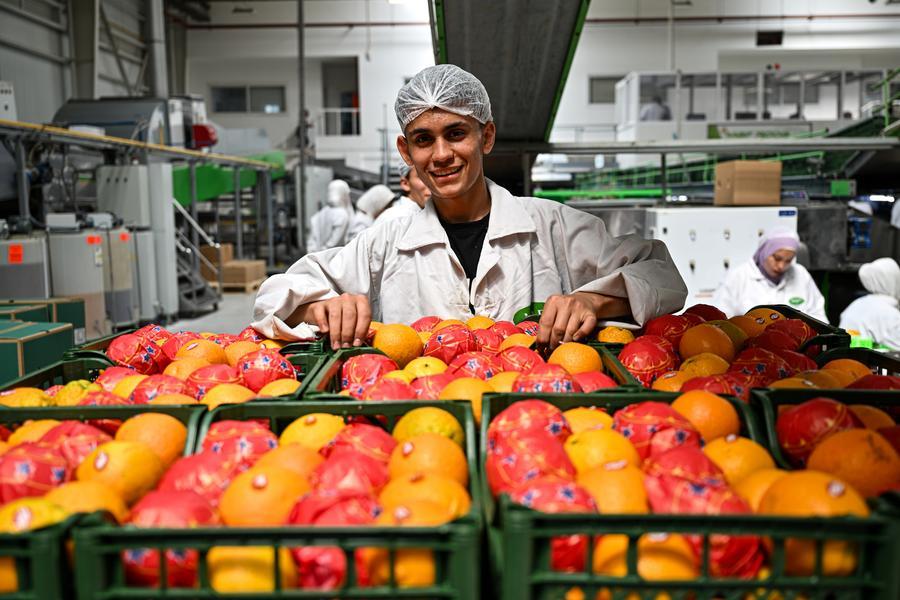
Egyptian citrus exports are expected to benefit as the world's largest citrus exporter, with volumes reaching around 2 million tonnes annually.
Ibrahim El-Banna, a manager at MAFA, noted this decision enhances Egyptian export competitiveness in China. Nonetheless, exporters face strict phytosanitary regulations, requiring
cold treatment of their fruit during transit, maintaining temperatures below 1.6 degrees Celsius for 16 to 18 consecutive days.
As part of this framework,
China will apply zero-tariff treatment to 53 African nations through April 2028. This policy expands from December 1, 2024, when similar treatment was granted to 33 least-developed African countries. The
General Administration of Customs reported trade between China and these African nations reached a record
$348.08 billion in 2025, indicating robust economic and trade cooperation. The
removal of tariffs is expected to save around
20,000 yuan ($2,929) in shipping costs for the initial batch of apples, facilitating quicker distribution across China's wholesale markets.
Sources: China's zero-tariff policy has cleared 24 tons of South African apples, marking a significant step in enhancing trade relations with Africa. Additionally, this initiative strengthens the competitive position of Egyptian citrus exports, which comply with stringent regulations to access the Chinese market, effective from May 1, 2026.