Sources: 

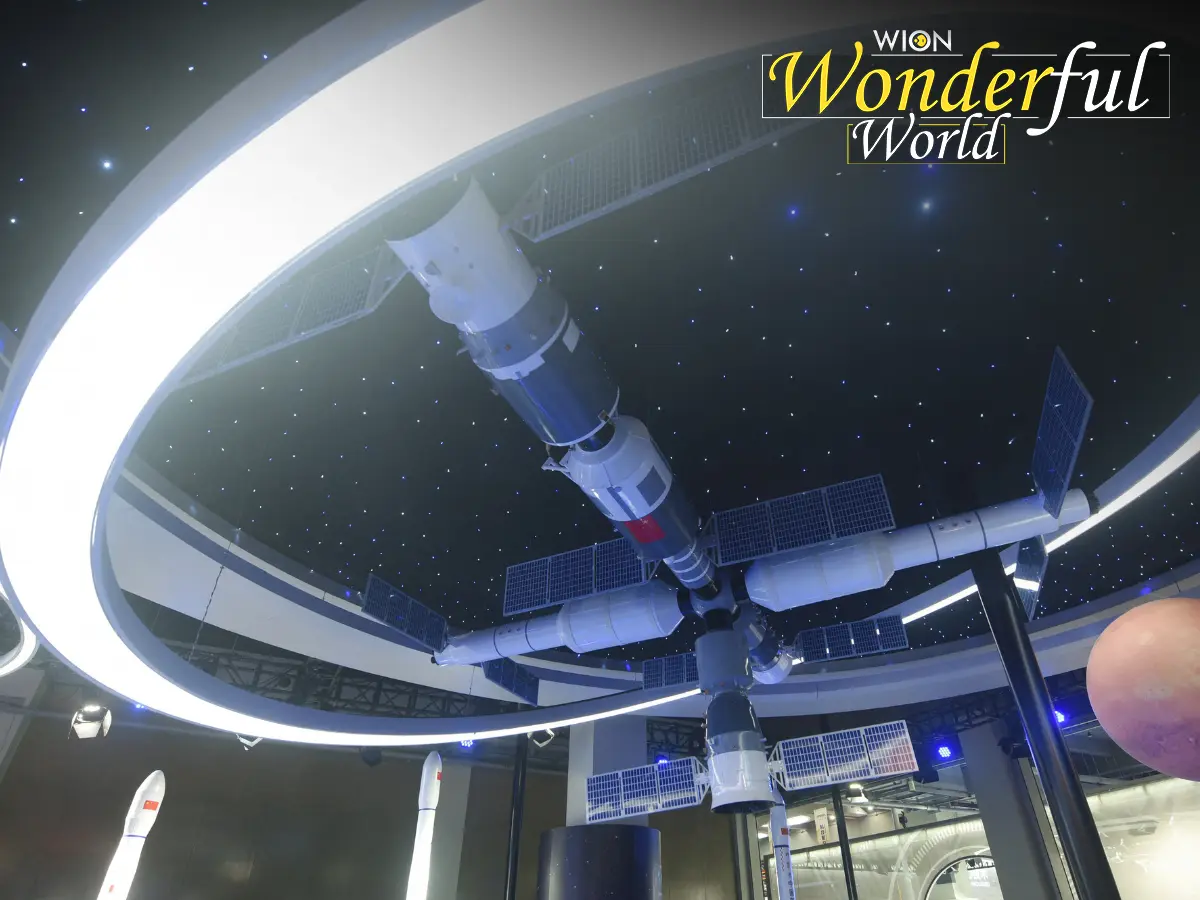
China recently sent synthetic embryos, or blastoids, to its Tiangong space station, marking a pioneering study into how microgravity affects early human development.
This experiment aims to shed light on reproductive capability in space—answering the question:
"Can humans survive and reproduce in space?" According to project leader
Yu Leqian, the experiment's primary goal is to determine whether microgravity directly influences early biological organization.
As these embryos replicate critical growth stages between the 14th and 21st days post-fertilization—an era linked to congenital defects—researchers hope to identify risk factors that could jeopardize human health during prolonged space missions.
The synthetic embryos, produced from human stem cells, represent an ethical workaround, allowing for observations beyond typical laboratory conditions.
The samples were sent aboard the Tianzhou-10 cargo craft on May 10, subsequently housed in the station's experimental module, where monitoring will continue. After exposure, these embryos will be frozen in orbit for detailed analysis after returning to Earth.
By investigating conditions in space, researchers aim to resolve challenges associated with human long-term habitation in extraterrestrial environments.
This study is essential for future space exploration and understanding the potential for human reproductive success beyond our planet.Sources: 
China launched synthetic embryos to the Tiangong space station in May to explore human development in microgravity. The study, utilizing blastoids that mimic early embryo stages, aims to identify how space conditions affect embryonic growth and survival, addressing long-term habitation challenges for humans in space.
)