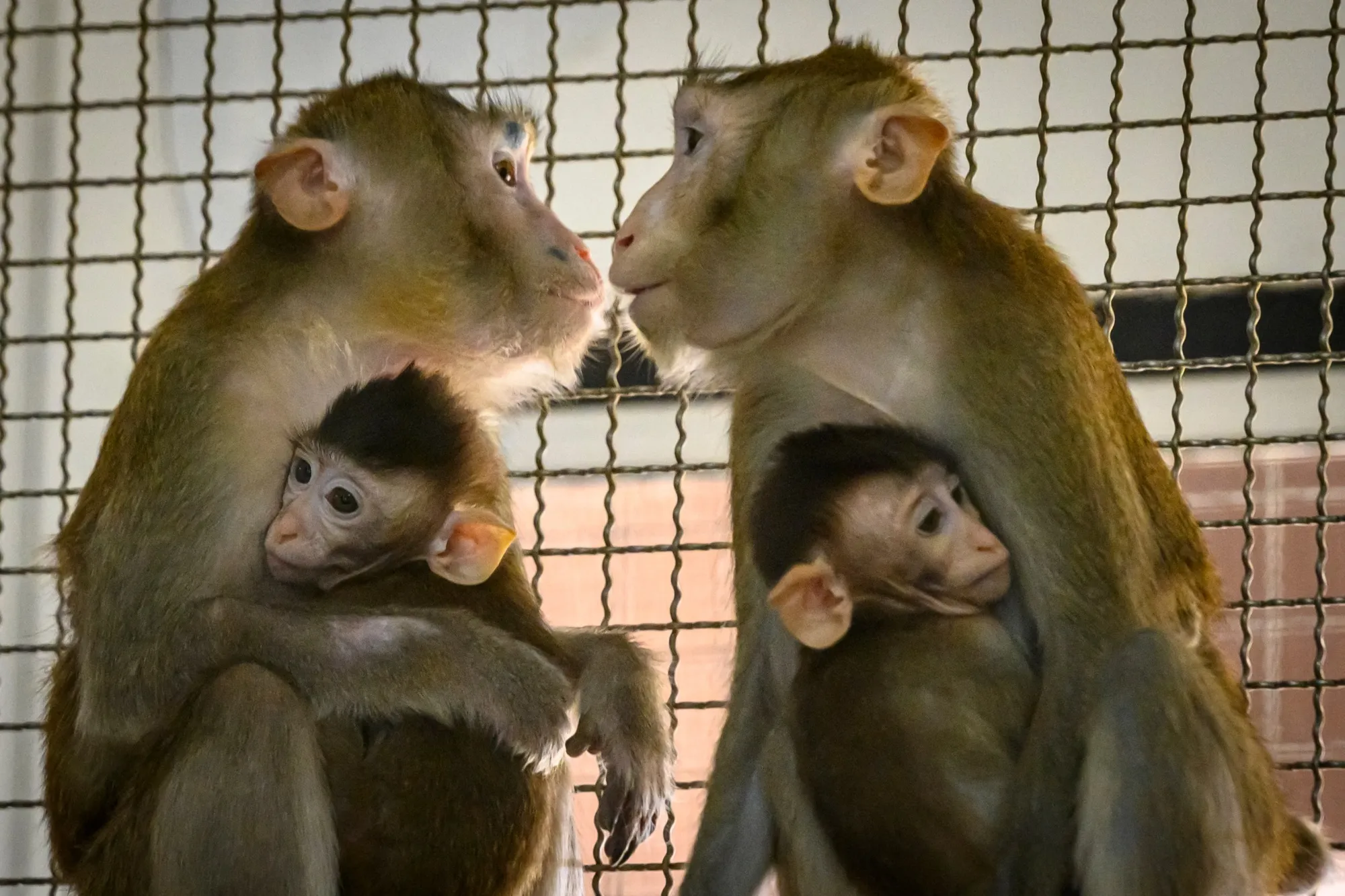
- Demand for lab monkeys in China has surged since the COVID-19 pandemic, with the country requiring at least 30,000 monkeys annually to support its expanding biomedical research sector.
- In June, a state lab procured 40 cynomolgus monkeys at 178,000 yuan ($26,294) each, which is nearly double the rate from a year ago.
- Prices of lab monkeys in China have climbed to about 200,000 yuan ($26,000) each, complicating clinical trials for new drug testing.
- The spike in monkey prices is hindering researchers from conducting trials that could lead to medical breakthroughs.
- Research policies mandate that toxicology and safety tests first be performed on a primate before proceeding to human clinical trials.
- For large-molecule drugs, a single trial can require between 60 and 80 monkeys, placing enormous pressure on already limited supply.
- Funding alone was insufficient to close the gap as breeding mature and test-ready cynomolgus macaques could take at least four years.
- Pumping capital into breeding agencies in present day will not immediately ease supply challenges.
- Only about 15,000 monkeys are available for use, highlighting the supply squeeze that could add delays to China’s drug development.
China's escalating prices for lab monkeys, now reaching approximately $26,000 each, are creating significant hurdles for drug development trials. The surge in costs, nearly double from last year, is attributed to a supply squeeze that threatens to delay the country's rapid drug development pace.
In June, a state lab purchased 40 cynomolgus monkeys at 178,000 yuan each, highlighting the industry's struggle with rising prices. Only about 15,000 monkeys are currently available, while the demand has soared to 30,000 annually since the COVID-19 pandemic, as China aims to bolster its biomedical research sector.9
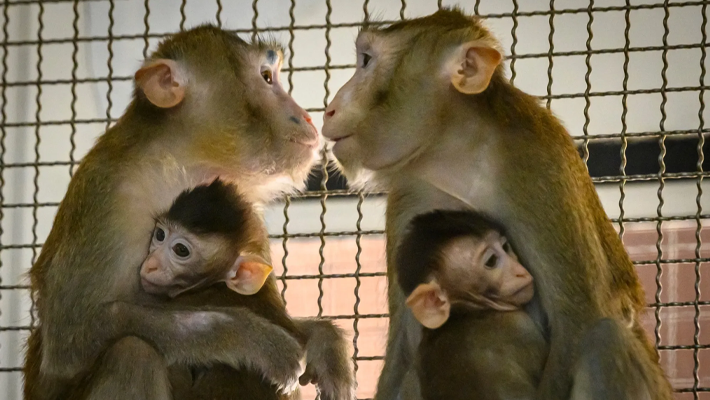
The increase in monkey prices is hindering researchers from conducting essential trials that could lead to medical breakthroughs. Research policies mandate that toxicology and safety tests must be performed on primates before advancing to human clinical trials, placing enormous pressure on the limited supply. For large-molecule drugs, a single trial can require between 60 and 80 monkeys, exacerbating the situation.56
Despite the pressing need, funding alone is insufficient to resolve the supply challenges, as breeding mature and test-ready cynomolgus macaques can take at least four years. The current landscape underscores China's ambition to become a drug powerhouse, yet the soaring costs of lab monkeys may impede that goal.7
“A state lab in June procured 40 cynomolgus monkeys at 178,000 yuan ($26,294) each, nearly double the rate a year earlier. Since the COVID-19 pandemic, China has needed at least 30,000 monkeys a year for biomedical research, but only about 15,000 are available.”
 Peoples Gazette Nigeria



