
- China's GDP growth slowed to a mere 4.3 per cent in the second quarter this year due to declining domestic demand, reflecting the worsening structural imbalance in the export-dependent economy.
- The main factor dragging down GDP growth was nosediving fixed-asset investment (FAI), with real estate investment dropping by 18.0 per cent, the largest contraction for a half-year on record.
- Domestic car sales collapsed by 16.1 percent in June year on year, reflecting weak consumer confidence and suppressing headline growth.
- Despite the domestic economic challenges, China's international trade remains strong, with exports increasing by 27.0 percent in June.
- Fitch Ratings stated that China's strong export-oriented sectors and policy-supported investment are helping cushion weak domestic demand and uneven private-sector activity.
- The article highlights that as China’s structural imbalances intensify, the EU-China trade tensions will remain high.
- Fitch warned that rising trade frictions, tariff risks, and a slowdown in global demand could test the resilience of export-oriented sectors.
- Household consumption remains constrained by weak labour-market conditions, subdued consumer confidence, and the ongoing correction in the property market.
China's GDP growth slowed to 4.3% in Q2 2023 due to a significant decline in domestic demand, particularly in real estate and consumer spending.1
Fixed-asset investment (FAI) dropped by 18.0%, marking the largest contraction for a half-year on record, as local governments face funding shortages.
Domestic car sales fell by 16.1% in June, reflecting weak consumer confidence.3
Despite these challenges, exports surged by 27.0% in June, with high-tech products leading the way, indicating resilience in international trade.
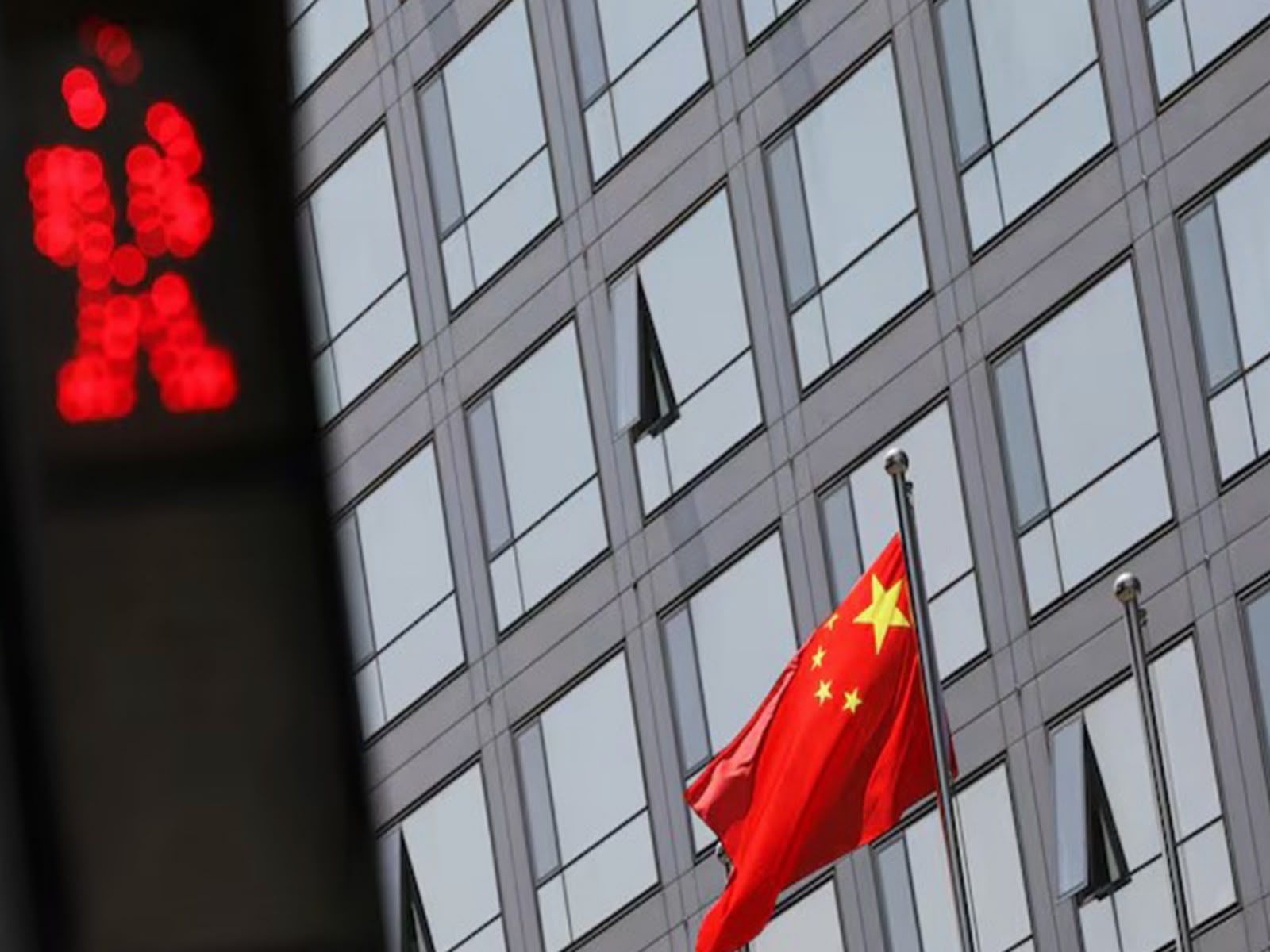
Fitch Ratings noted that while China's economy is struggling domestically, strong export-oriented sectors, particularly in electric vehicles and advanced manufacturing, are cushioning the impact of weak domestic demand.5
However, household consumption remains constrained due to poor labor market conditions and ongoing property market corrections.
Fitch warned that rising trade frictions and a slowdown in global demand could test the resilience of these export-oriented sectors.7
The report emphasizes the growing importance of China's external sector in supporting economic growth amid persistent structural challenges in domestic consumption and investment.
“Domestic car sales dropped 16.1% year-on-year in June, and real estate investment posted an 18.0% half-year decline, the largest on record, signaling deepening structural imbalances. While exports rose 27.0% in June on strong high-tech demand, Fitch Ratings cautioned that rising trade frictions and a global slowdown could test the export sector's resilience.”




