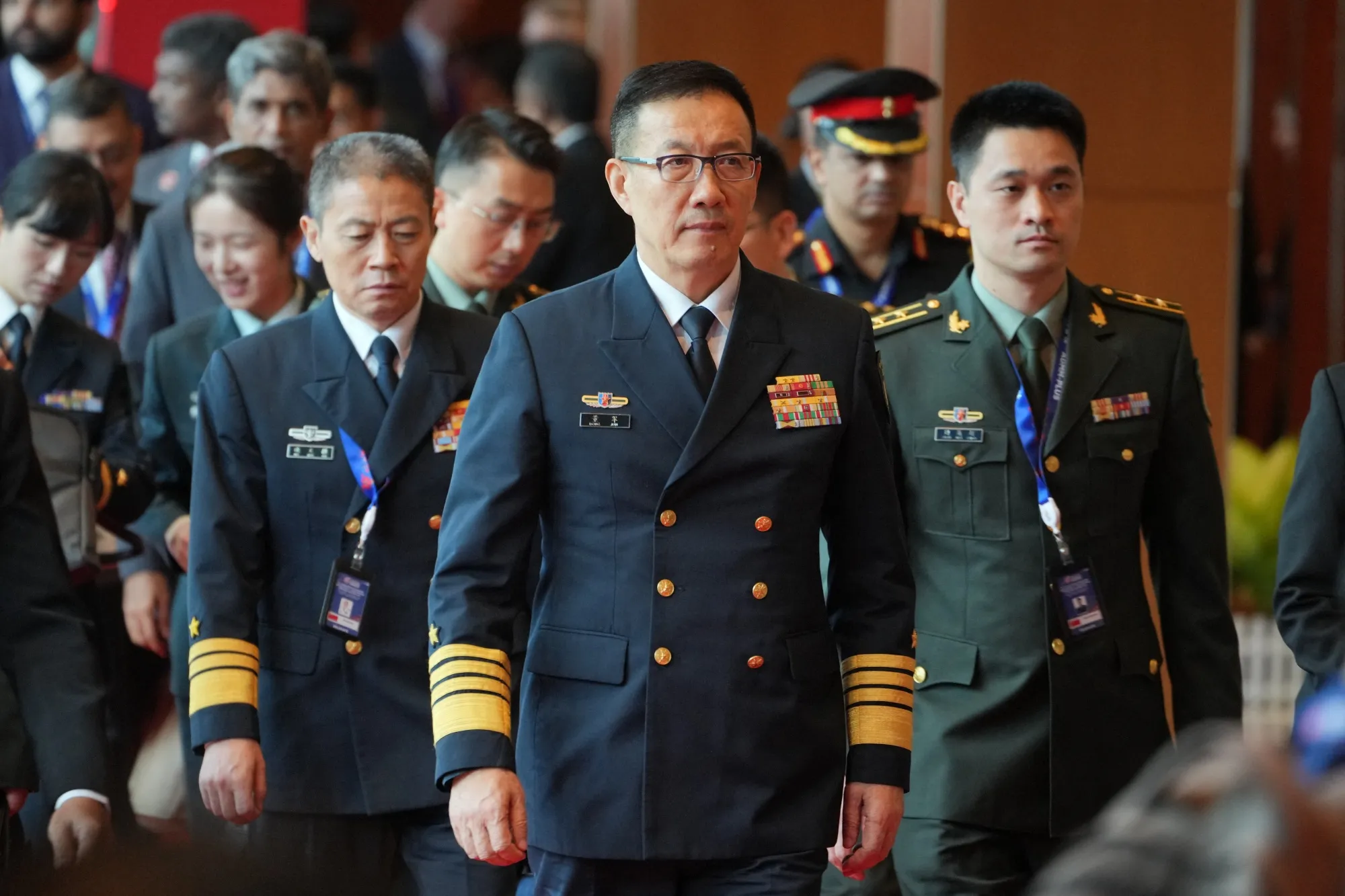
- Dong Jun called on countries to step up AI oversight and engage in security dialogues in areas such as artificial intelligence, outer space, and deep sea during a defense forum in Beijing.
- Dong Jun urged an end to 'provocative acts' and warned against the resurgence of historical revisionism, likely referencing Japan.
- Dong Jun notably omitted Taiwan from his address and used a milder tone toward the US, according to analysts.
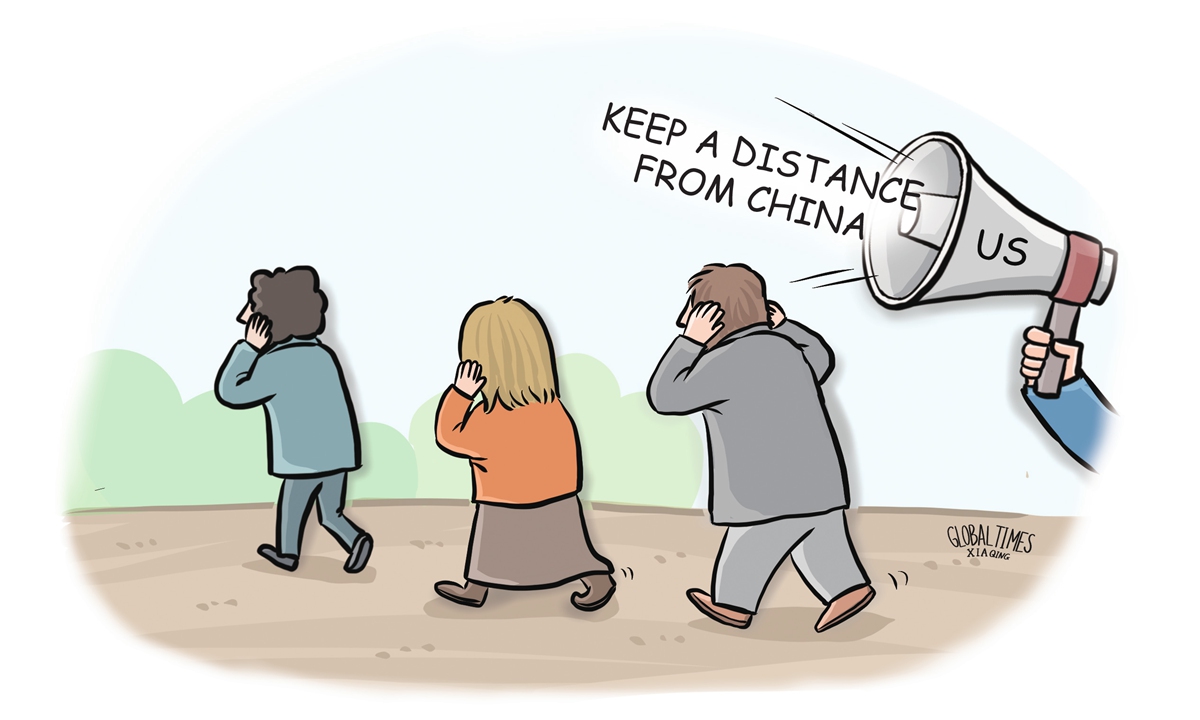
- Dong Jun called for a new security approach based on dialogue and partnership rather than alliance, criticizing Washington's military alliances.
Chinese Defence Minister Dong Jun addressed a defense forum in Beijing, urging nations to enhance AI oversight and avoid provocative actions, particularly in light of rising global tensions. His speech, attended by 2,000 military officers, diplomats, and academics from 100 countries, emphasized the need for dialogue over confrontation.1234567
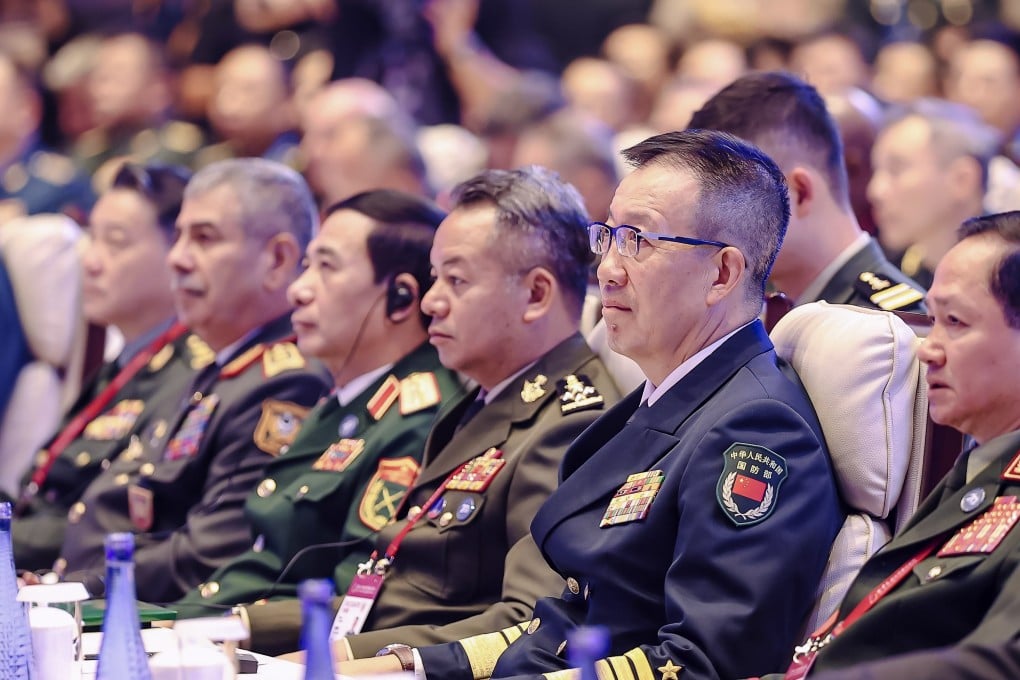
Dong's remarks were notably milder compared to previous statements, reflecting a strategic shift in tone towards the United States. He called for a new security approach based on partnership rather than alliance, criticizing exclusive military blocs. “We must bear in mind the lessons of history and remain highly vigilant against all latent manifestations of hegemony,” he stated.
While he avoided direct criticism of the U.S. and its allies, Dong warned of a “fragile moment” in global affairs, advocating for a peaceful, multipolar world. He emphasized the importance of collective action against provocative acts that threaten regional stability, urging nations to suppress the resurgence of historical grievances. “We must show no leniency towards provocative acts that seek to hijack the overall interests of countries,” he added.
The forum, which runs until Thursday, includes delegates from various nations, including a senior Pentagon official and representatives from the Taliban, highlighting the diverse geopolitical landscape in which these discussions are taking place.
“Dong Jun's speech at the Xiangshan Forum, attended by 2,000 delegates from 100 countries, called for a 'fragile moment' response with dialogue over confrontation. He also warned against 'hegemony, militarism and historical revisionism,' while analysts noted he steered clear of direct criticism of the US and Japan.”

 South China Morning Post