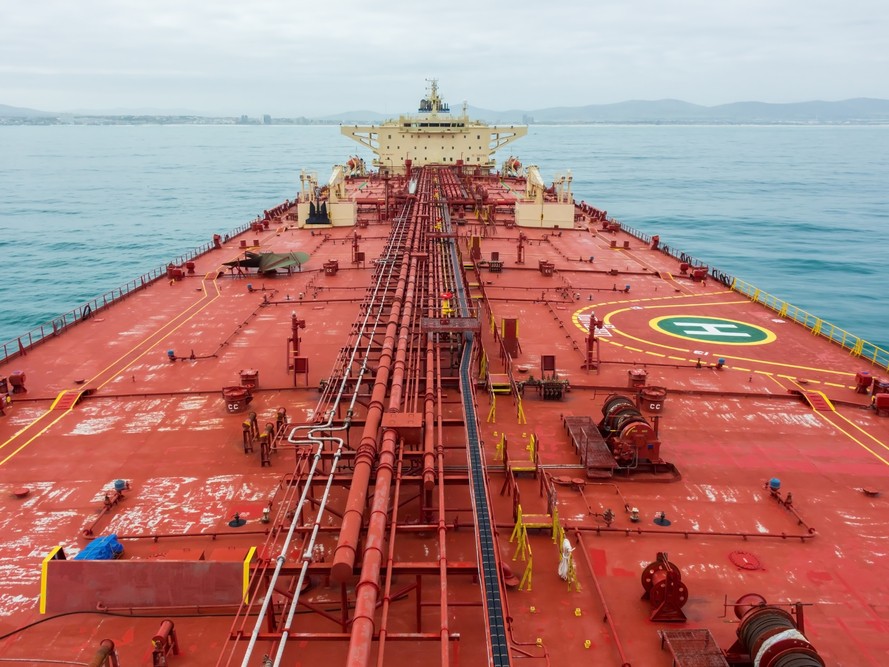
- China's crude oil imports are expected to rise to an average of 7.8 million barrels daily in July, according to calculations by Kpler, as reported by Bloomberg.
- This projection represents a significant increase from June's 6.2 million barrels daily, which was the lowest import rate for China in over ten years.
- China's crude imports are expected to increase after flows through the Strait of Hormuz accelerated and refiners increased purchases of Russian oil.
China's crude oil imports are expected to rise to 7.8 million barrels per day in July, a notable increase from June's 6.2 million barrels daily, the lowest level in over ten years. This surge is attributed to increased purchases of Russian oil and accelerated flows through the Strait of Hormuz.1234
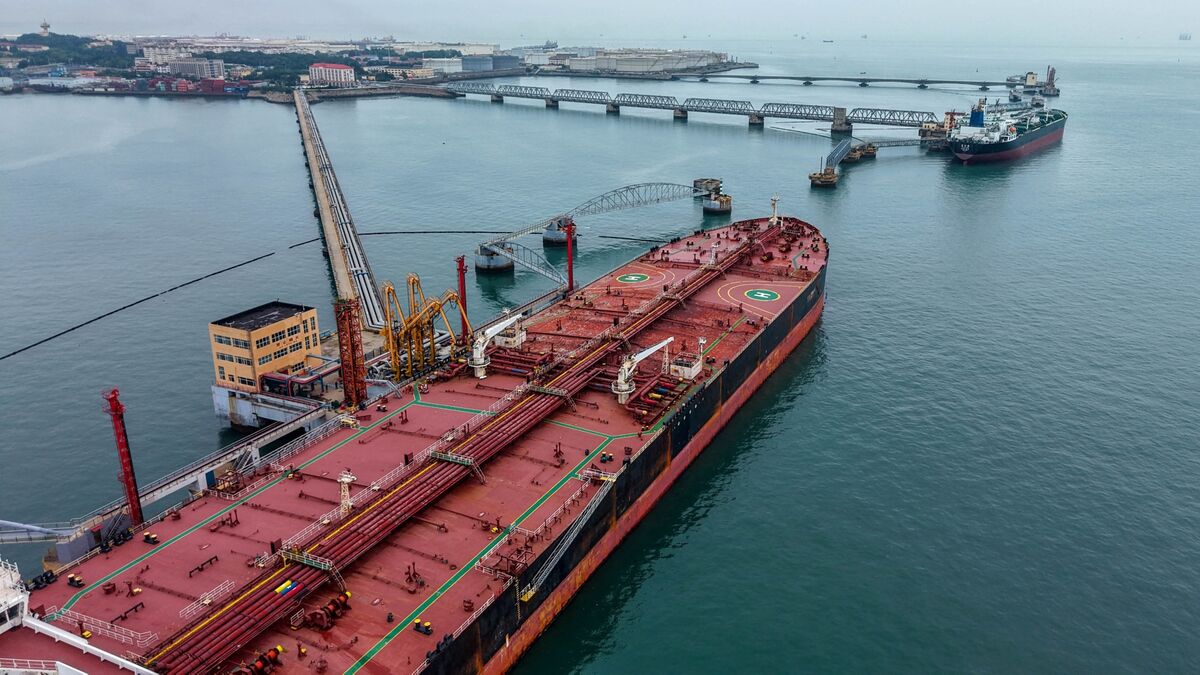
According to preliminary figures from data analytics firm Kpler, the July average marks a recovery from June's import rate, which was last seen in November 2015. The increase comes amid geopolitical tensions, particularly the ongoing Iran war, which has significantly impacted global oil supply, removing roughly 14 million barrels per day—14% of global output—from the market.
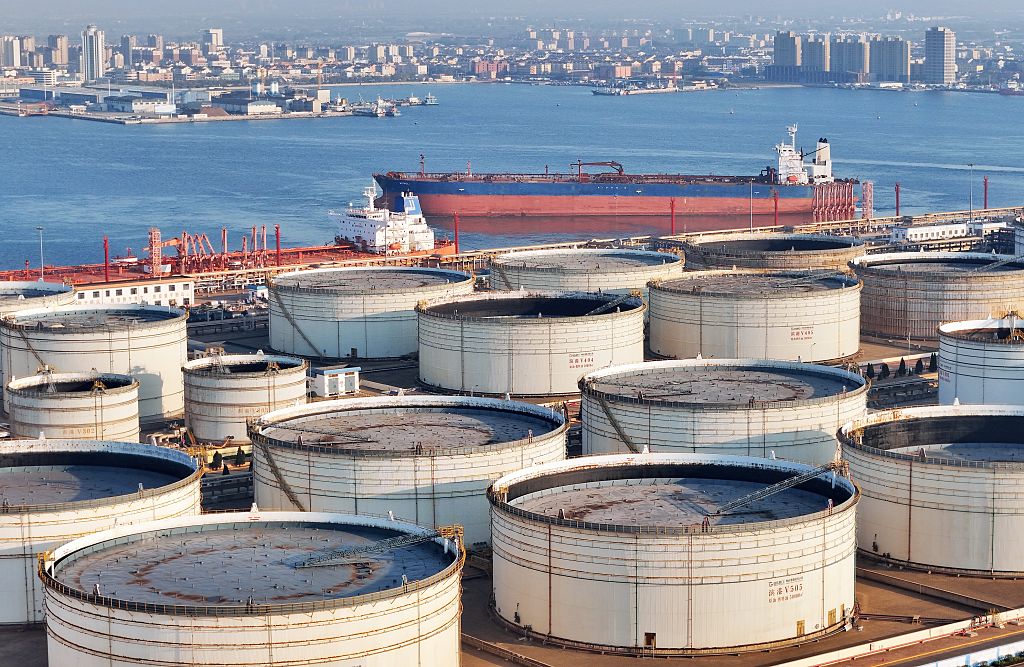
China's strategic stockpiling and diversified energy mix have helped mitigate the economic impact of these disruptions. The European Central Bank (ECB) noted that China's crude inventories have risen from 92 days worth of imports in 2023 to 115 days earlier this year, providing a buffer against supply losses.
Despite the increase in imports, oil prices remain volatile, trading around $90 per barrel, after peaking above $100 last week. Analysts warn that conditions in the Strait of Hormuz remain unstable, which could lead to renewed upward price pressures if the situation deteriorates further.
“China's crude imports are rebounding after hitting a decade low in June, with analysts noting that flows through the Strait of Hormuz have accelerated. The European Central Bank highlighted that China's substantial stockpiling and diversified energy mix have helped mitigate the global economic impact of the ongoing Iran conflict.”


 Crude Oil Prices Today | OilPrice.com



