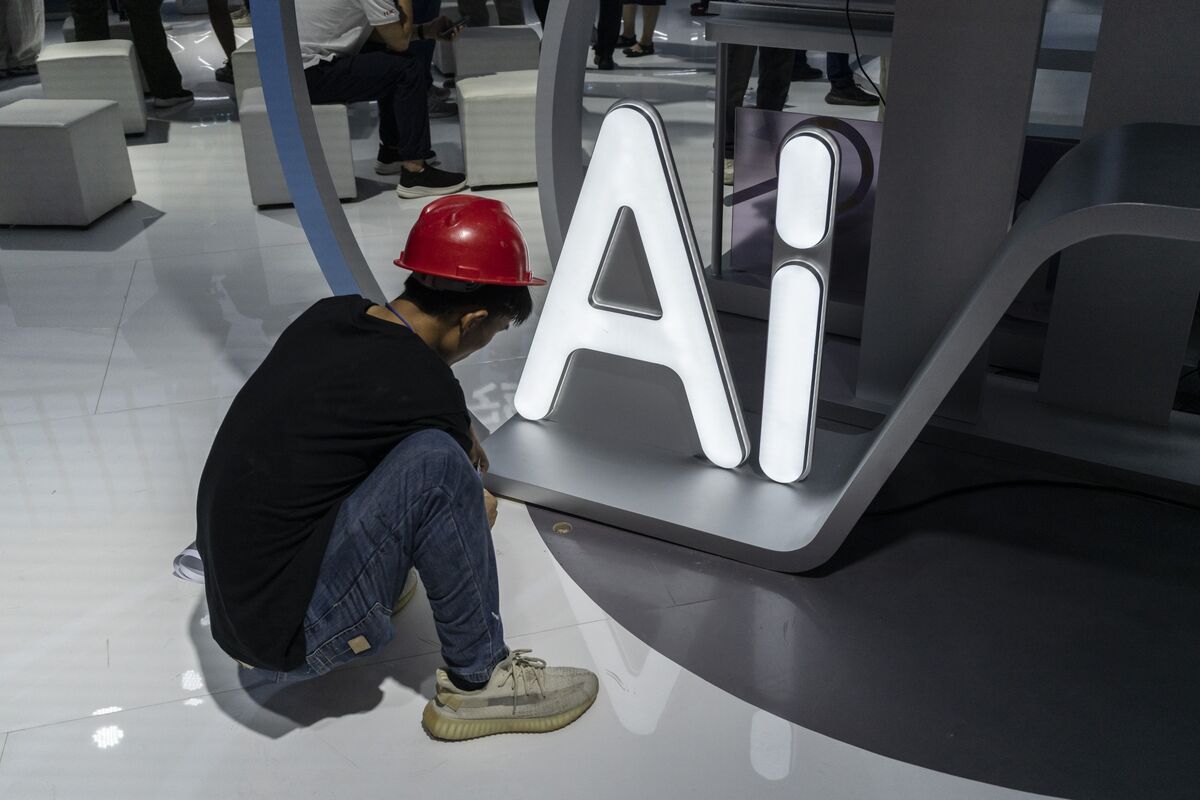
- China's commerce ministry accused the United States of "AI hegemonism" and threatened countermeasures after senior U.S. officials indicated that Chinese AI companies could face investigations and sanctions over alleged technology theft.
- The ministry stated that Washington was threatening Chinese companies with punishment based on allegations of using "distillation" to copy advanced U.S. AI models, despite a lack of factual basis.
- In response to potential U.S. sanctions, a ministry spokesperson declared that China will take all necessary measures to safeguard its legitimate rights and interests.
- U.S. Treasury Secretary Scott Bessent warned that Chinese companies could face financial sanctions or be placed on the Commerce Department's Entity List, which restricts access to U.S. technology.
- The U.S. government has accused Chinese firms of conducting covert, industrial-scale distillation attacks that may constitute intellectual property theft.
- The allegations include claims that a Chinese company, Moonshot, distilled the Claude Fable 5 model from Anthropic to develop its own AI model, Kimi K3.
China's Ministry of Commerce has condemned U.S. allegations that Chinese AI companies engaged in intellectual property theft through model distillation, labeling it a "smear campaign". The ministry warned that it would take "all necessary measures" to protect its interests if sanctions are imposed.
U.S. officials, including Treasury Secretary Scott Bessent, have indicated that Chinese firms could face financial penalties or be placed on the Commerce Department's Entity List, which would limit their access to critical U.S. technology. Bessent stated, "When PRC (Chinese) firms conduct covert, industrial-scale distillation attacks that cross the line into IP theft, sanctions and Entity List designations will be on the table."45
The tensions arise as China's AI-linked exports surged to an estimated $720 billion over the past year, driven by global demand for AI infrastructure. The U.S. claims that companies like Moonshot have illegally distilled advanced models, such as Anthropic's Claude Fable 5, to develop their own products.6
China's response highlights the ongoing struggle over technology and trade, with the ministry accusing the U.S. of "AI hegemonism" and asserting that the allegations lack factual basis. The situation underscores the complexities of international trade relations and the potential for escalating sanctions and countermeasures.1
“China's AI-linked exports surged to an estimated $720 billion over the past year, driven by global demand for AI infrastructure. Meanwhile, U.S. Treasury Secretary Scott Bessent indicated that Chinese firms could face sanctions or placement on the Entity List, which would restrict their access to U.S. technology.”
 Firstpost



