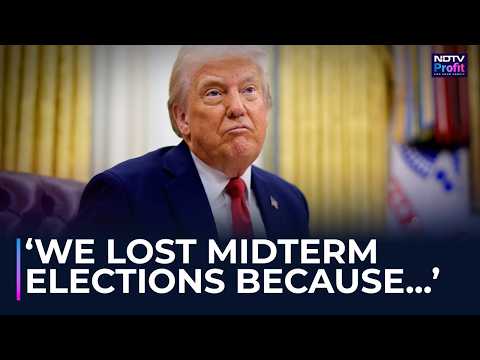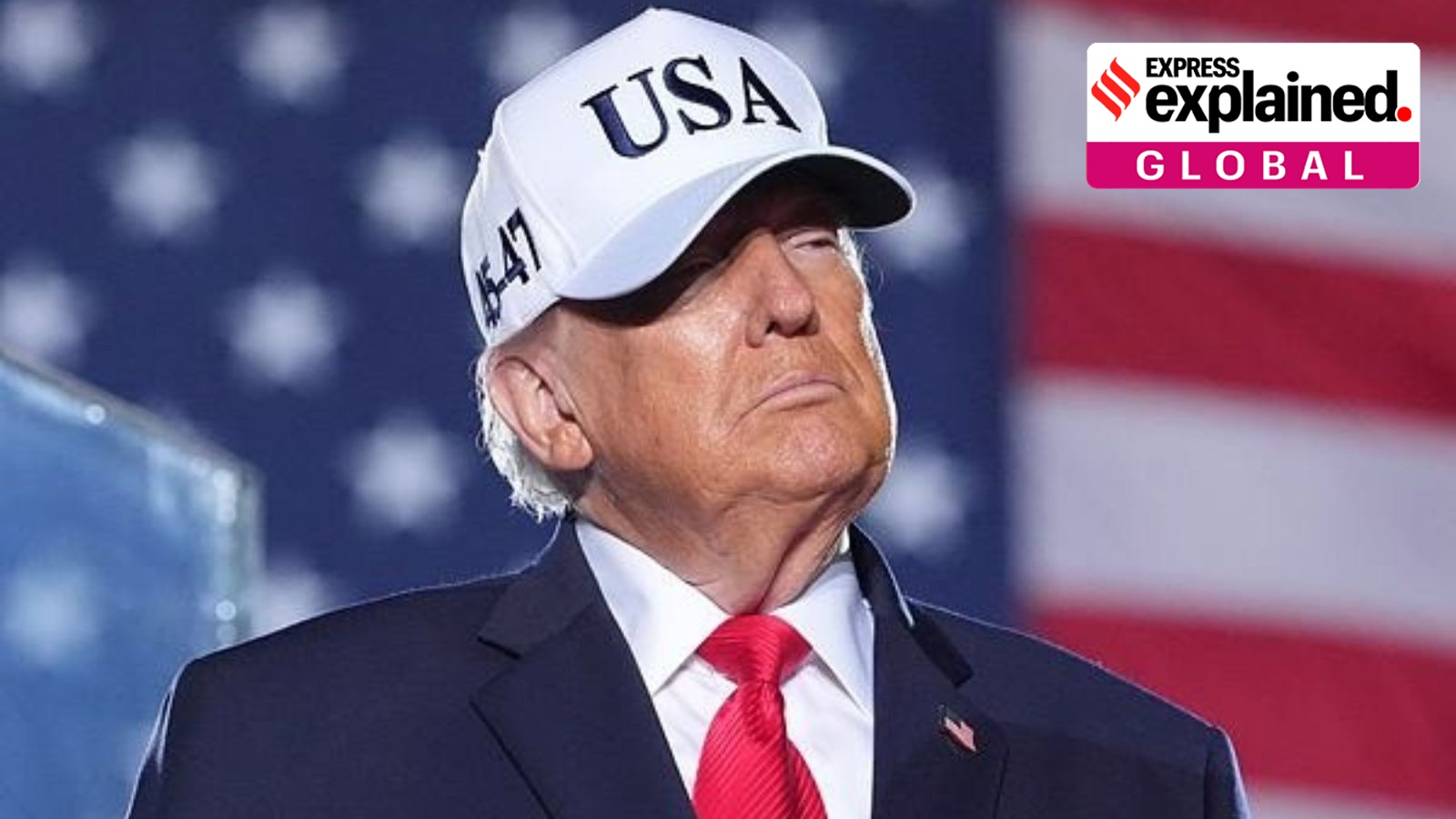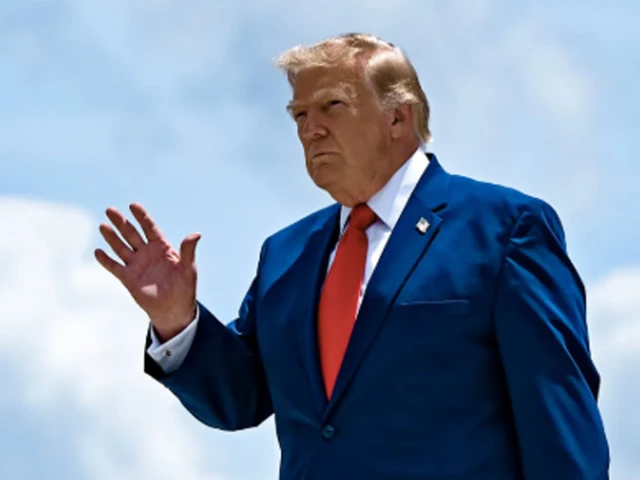
- US voters angered by rising living costs, exacerbated by Trump's trade wars with China and other countries, turned on his party in Tuesday's vote, handing Democrats control of Congress.
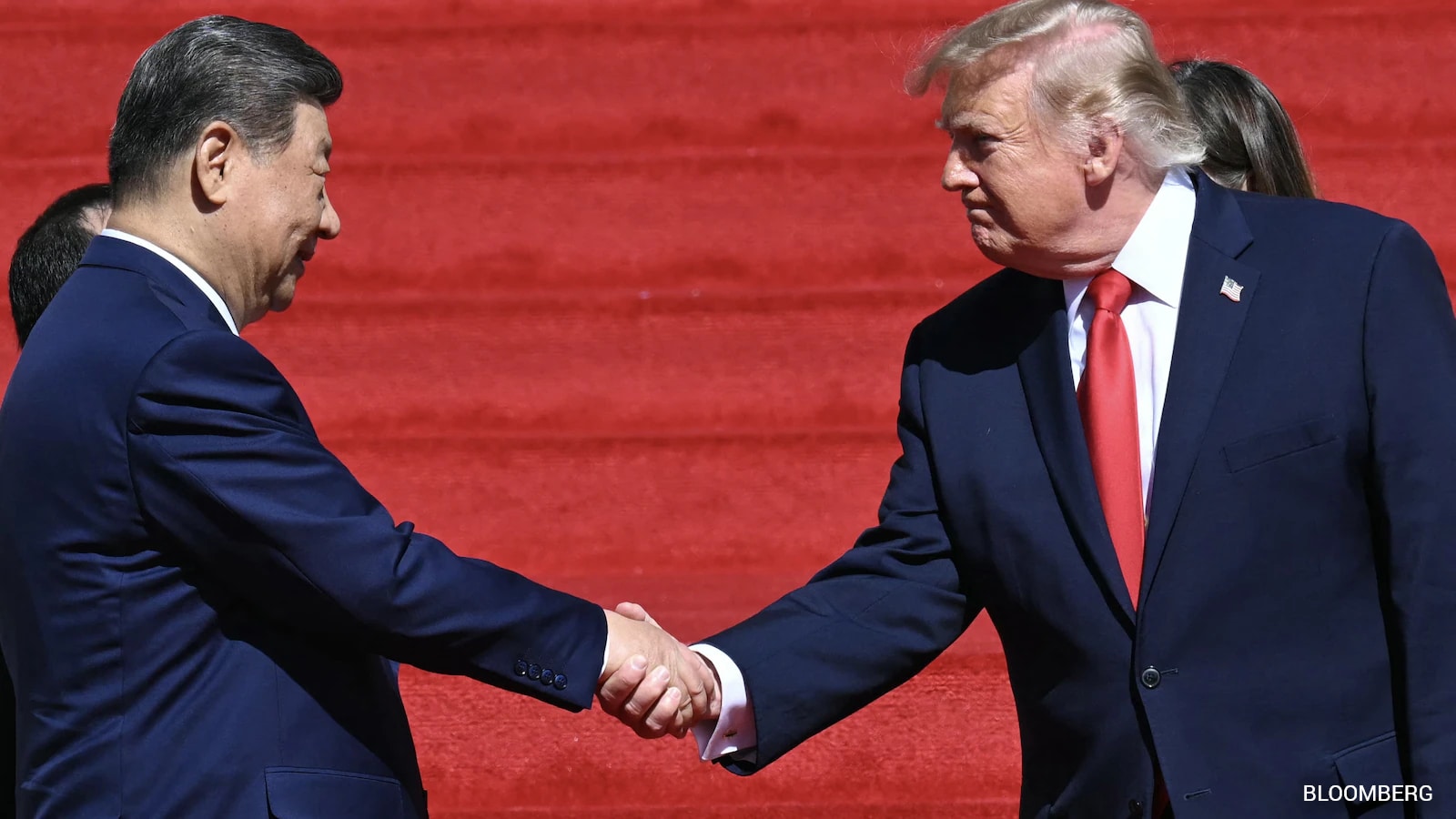
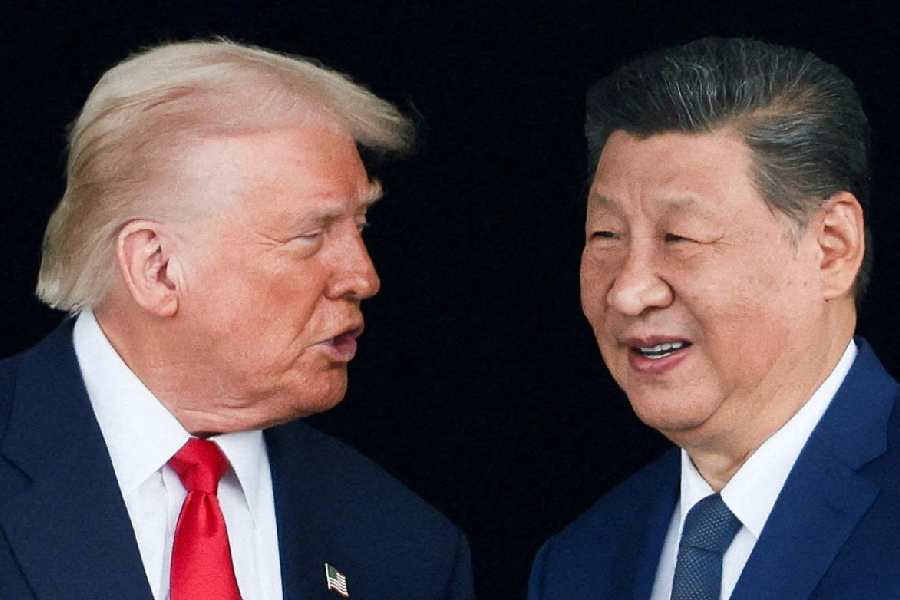
- Trump's political humbling should make him more wary of unsettling a fragile trade truce with Beijing, giving China a potential advantage in negotiations set to resume later this month.
- Washington's divided political landscape gives Beijing space to fortify itself and diversify its trade ties before a potentially less China-friendly US administration takes power.
- A former Chinese Foreign Ministry official noted China is realistic that a new president might be very different, but if there are two more years of stability, that's good for China to better prepare for a final showdown on Taiwan or another trade war.
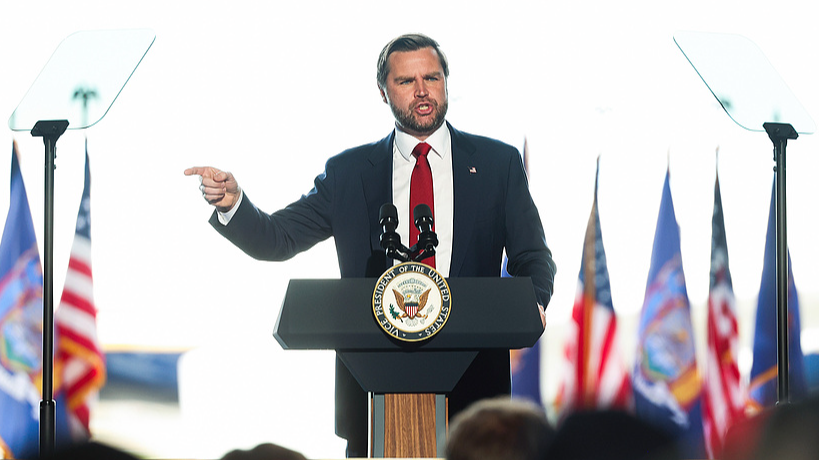
- The risk is that Trump, constrained at home, becomes more aggressive in seeking foreign policy wins, while a Democratic-controlled Congress may push him harder to unfreeze arms sales to Taiwan, a red line for Beijing.
- Beijing could conclude that Trump's political problems mean he needs a deal more than China, encouraging Chinese negotiators to press harder for tariff reductions and other US concessions, but that risks a 'miscalculation' that unsettles the very stability Xi is trying to preserve.
- A senior China analyst warned of unconventional and untold foreign policy actions by Trump, with concern around less conventional foreign policy issues that would have unexpected ramifications for China.
Donald Trump's recent midterm election losses have shifted the political landscape, potentially giving China an upper hand in trade negotiations with the U.S. Analysts suggest that Trump's weakened position may compel him to adopt a more cautious approach, particularly regarding trade with Beijing.
As U.S. voters expressed frustration over rising living costs, exacerbated by Trump's trade wars, Democrats regained control of Congress. This political shift could lead to a more aggressive stance from Trump in foreign policy, especially concerning Taiwan, a critical issue for China.
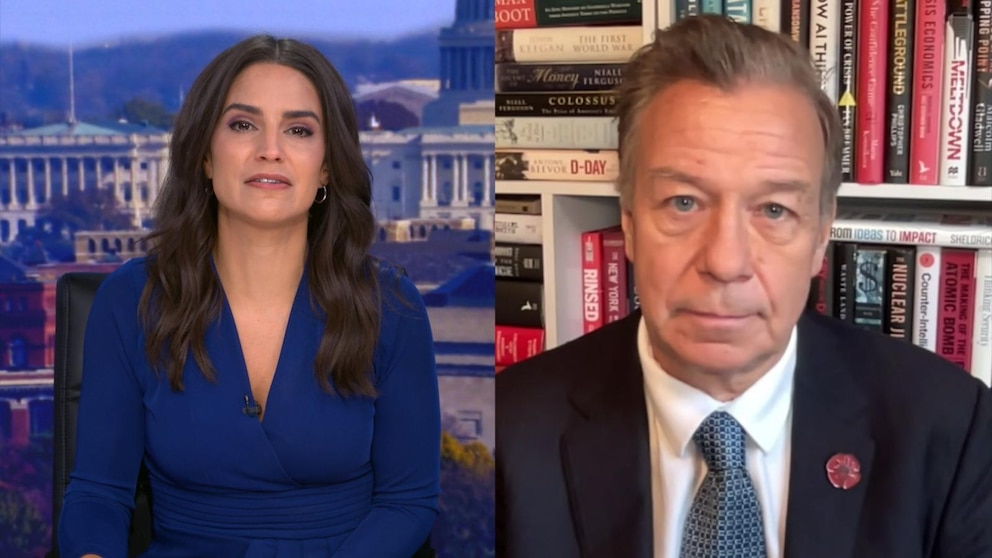
Shen Weizhong, a former Chinese Foreign Ministry official, noted, “If we can have two more years of stability, that's already a good thing for China ... The more time we have, the better prepared we might be towards a final showdown on Taiwan or maybe another trade war.” This sentiment reflects Beijing's desire for stability as it prepares for potential confrontations.45
However, the risk remains that Trump, constrained domestically, may seek foreign policy victories, which could lead to increased tensions. Senior China analyst Chim Lee remarked, “The broad direction of US-China policy isn't necessarily going to change, but I think that the concern is around less conventional foreign policy issues that would have unexpected ramifications for China.” As negotiations resume, Beijing may push for concessions, believing Trump needs a deal more than they do, although this could lead to miscalculations that threaten the stability Xi Jinping seeks.6
“Analysts say Trump's political humbling may make him more wary of unsettling the fragile trade truce, giving China an edge in negotiations resuming this month. However, a Democratic Congress could push to unfreeze arms sales to Taiwan, a red line for Beijing, while Trump might pursue unconventional foreign policy actions.”