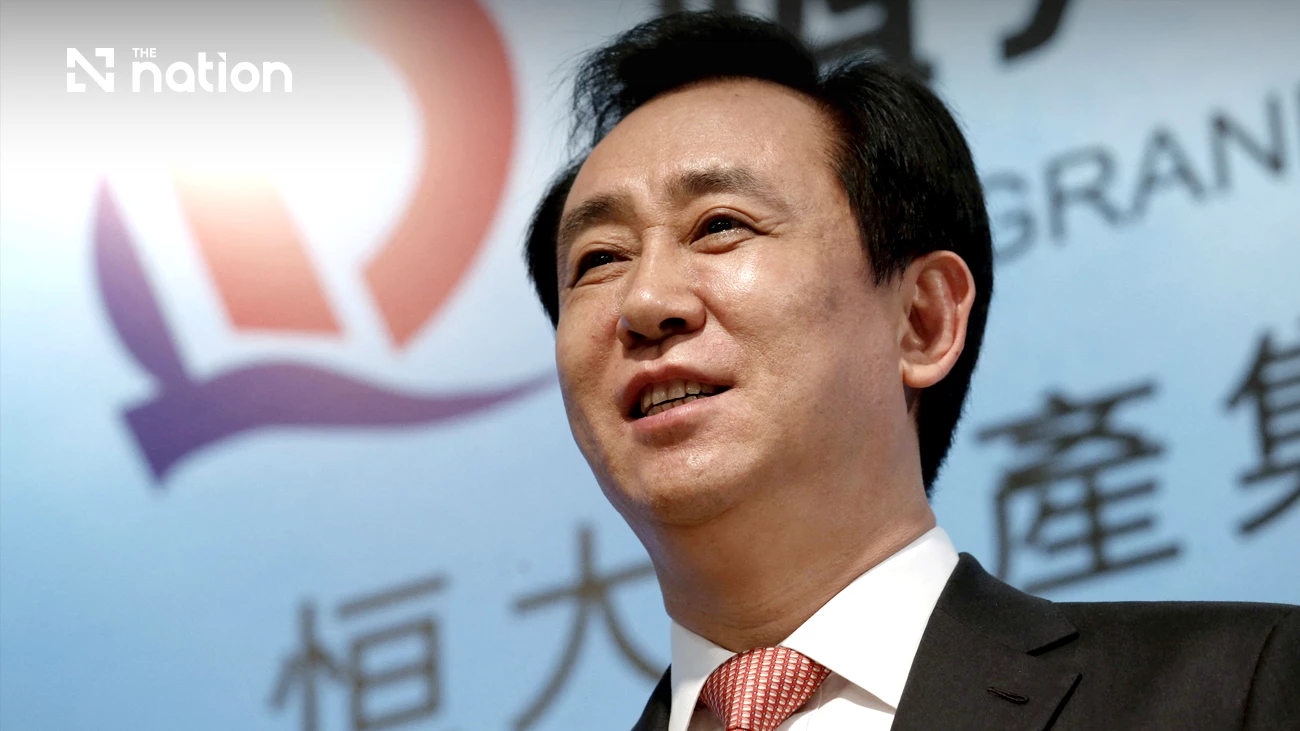
- Hui Ka-yan, founder of China Evergrande Group, was sentenced to life imprisonment by a Shenzhen court on August 20, 2026, and all his personal property was confiscated.
- The court imposed a fine of 8.82 billion yuan (approximately US$1.31 billion) on Evergrande and a 7 billion yuan fine on its subsidiary, Hengda Real Estate.
- Five senior executives of Evergrande received prison sentences ranging from six to 18 years for their roles in the company's financial misconduct.
- Evergrande has been in default since 2021 on most of its approximately US$300 billion in liabilities, making it the world's most indebted property developer.
- Hui pleaded guilty in April to eight charges, including misuse of funds, fundraising fraud, and illegally taking public deposits.
- The court's ruling represents the most severe legal consequence yet reported for Hui, who built Evergrande into one of China's most prominent property developers before the group's debt crisis intensified.
Hui Ka-yan, founder of China Evergrande Group, was sentenced to life imprisonment by a Shenzhen court on August 20, 2026, for multiple combined crimes, including misuse of funds and fundraising fraud. The court also confiscated all of Hui's personal property and imposed a fine of 8.82 billion yuan (approximately US$1.31 billion) on Evergrande, alongside a 7 billion yuan fine on its subsidiary, Hengda Real Estate.125
Hui, 67, pleaded guilty to eight charges in April, which included embezzlement of corporate assets and corporate bribery. The ruling marks the most severe legal consequence for Hui, who transformed Evergrande into one of China's leading property developers before its debt crisis escalated. The company has been in default since 2021, with liabilities exceeding US$300 billion, making it the world's most indebted property developer.4
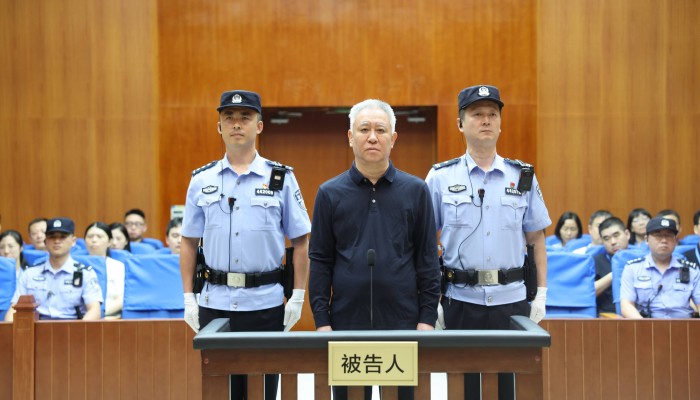
The court's judgment highlighted that Hui and his associates engaged in sustained financial fraud from 2016 to 2021, inflating assets and concealing liabilities. They illegally absorbed public deposits and committed various financial crimes, including bribery and fraudulent issuance of securities. According to Edward Chan from S&P Global Ratings, the financial distress of Evergrande in 2021 signaled the end of the 'three highs' business model for Chinese developers, characterized by high debt, high leverage, and high asset turnover. However, he noted, “We do not anticipate further meaningful impact on the Chinese property market following the court sentencing of Hui Ka-Yan.”
“The Shenzhen court also fined Hengda Real Estate 7 billion yuan and sentenced five other executives to prison terms of six to 18 years. Hui pleaded guilty in April to charges including fundraising fraud and illegally taking public deposits, with violations occurring between 2016 and 2021.”
 scmp.com