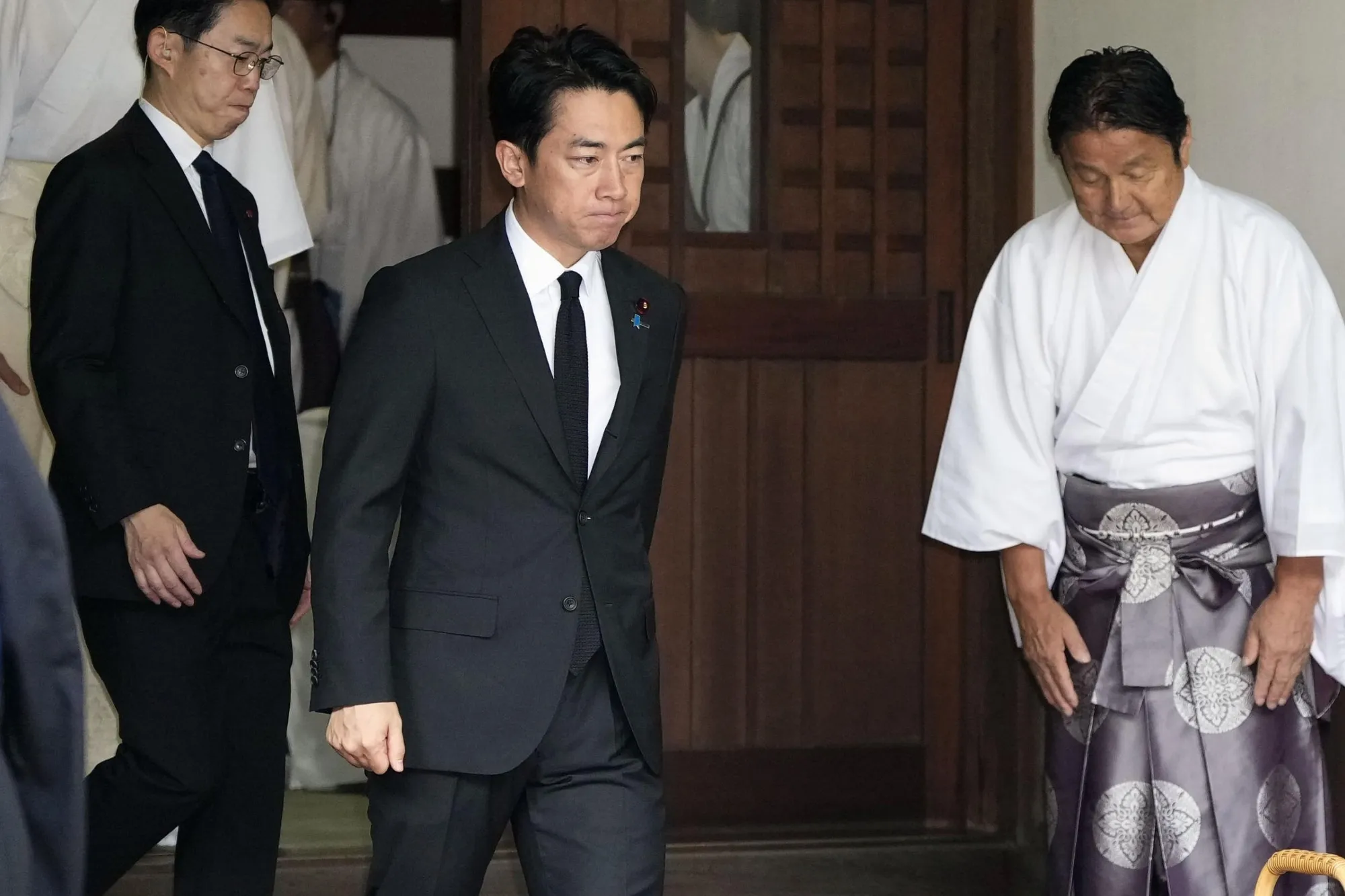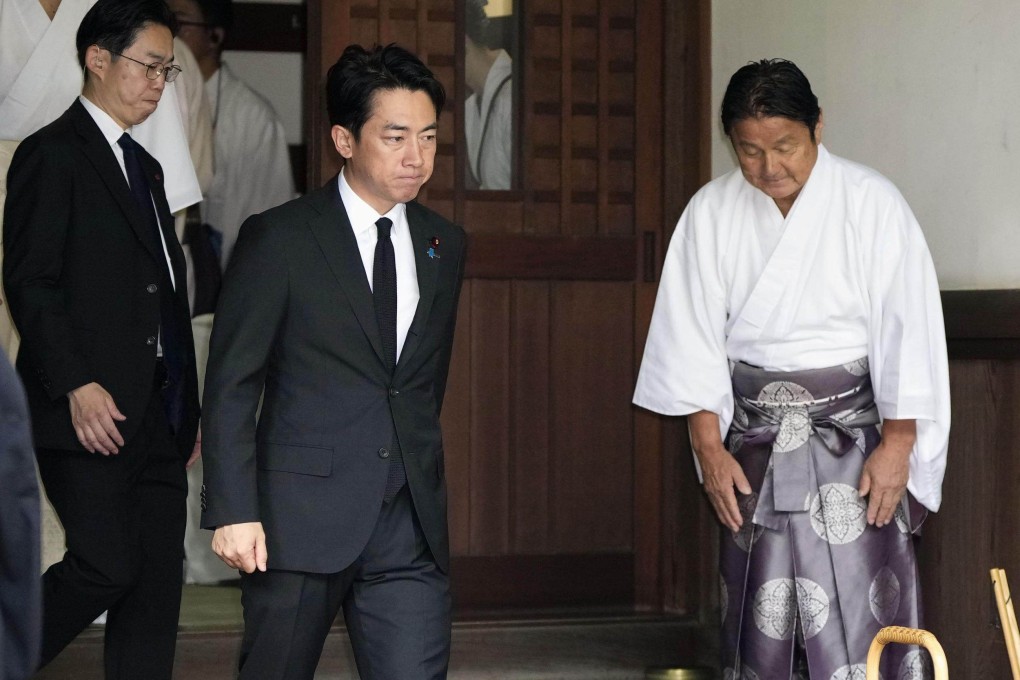
- The Chinese foreign ministry strongly condemned Japanese leaders for visiting the controversial shrine on the 81st anniversary of Japan's surrender in World War II.
- Beijing lodged a formal protest after Japanese defense chief visited the shrine on Saturday.
- The ministry stated that during World War II, Japan launched wars of external aggression and committed atrocious crimes, calling the shrine a “spiritual instrument and symbol of Japanese militarism”.
- The ministry noted that the 14 Class-A war criminals enshrined there were the “chief culprits of the war of aggression”.
- The ministry said that no matter what pretext Japanese politicians invent, they cannot hide their true intention to “rehabilitate war criminals”, “cover up war responsibility”, “distort historical facts”, and pave the way for accelerated “remilitarisation”.
China has strongly condemned Japanese officials for visiting the Yasukuni Shrine on the 81st anniversary of Japan's WWII surrender, viewing the site as a symbol of militarism.1
Beijing lodged a formal protest after the Japanese defense chief's visit on Saturday, which included other officials such as Economic and Fiscal Policy Minister Minoru Kiuchi and Economic Security Minister Kimi Onoda.2
The Chinese foreign ministry stated, “During World War II, Japan launched wars of external aggression and committed atrocious crimes. The so-called Yasukuni Shrine is a spiritual instrument and symbol of Japanese militarism.”3
The ministry further emphasized that the shrine enshrines 14 Class-A war criminals, who were the chief culprits of Japan's aggression.4
It criticized Japanese politicians for attempting to “rehabilitate war criminals, cover up war responsibility, distort historical facts and pave the way for accelerated ‘remilitarisation.’”
The visit has reignited tensions between China and Japan, as many Asian countries share similar sentiments regarding the shrine's historical implications.
The Japanese Prime Minister did not visit in person but sent a ritual offering, which has also drawn criticism.
The ongoing disputes over historical narratives continue to strain relations in the region.
“The Chinese foreign ministry called the shrine a 'spiritual instrument and symbol of Japanese militarism' and said the 14 Class-A war criminals enshrined there were 'chief culprits of the war of aggression.' It accused Japanese politicians of seeking to 'rehabilitate war criminals' and 'pave the way for accelerated remilitarisation.'”
 South China Morning Post