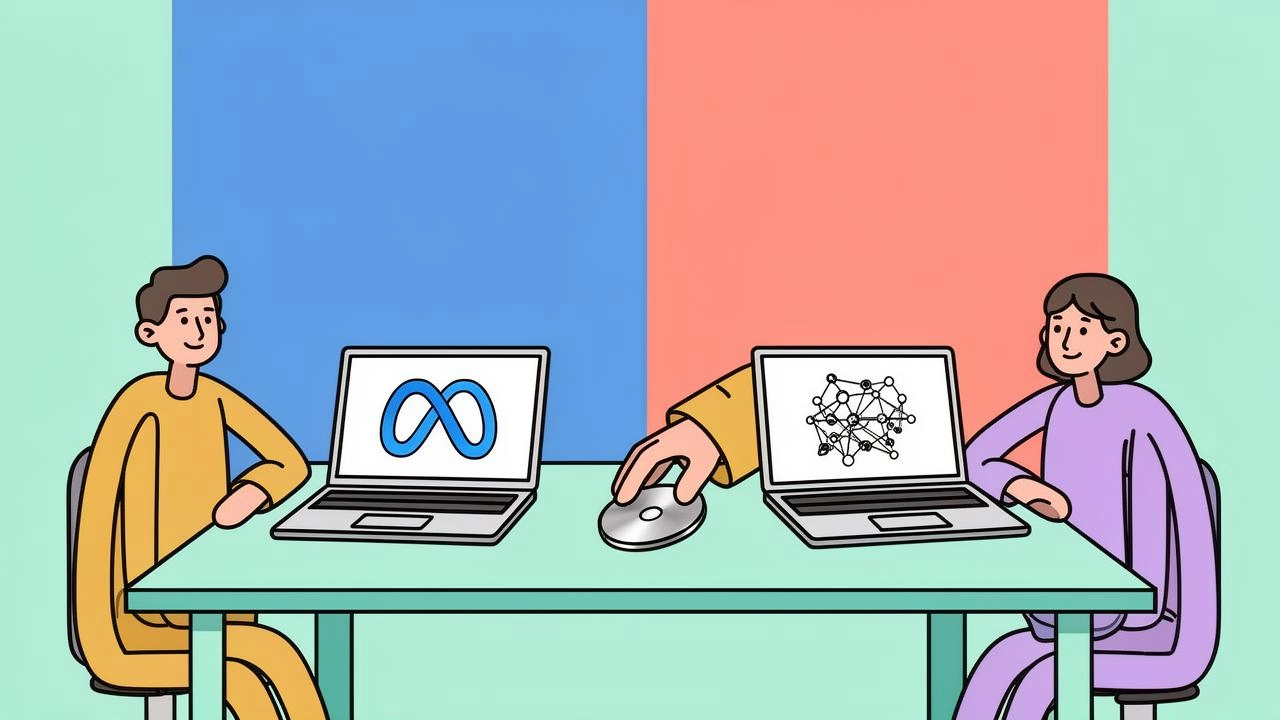
- Manus announced on September 1 that it has completed its separation from Meta Platforms and formally resumed independent operations.
- Between August 23 and 24, some user data was deleted during the data migration process, though the company clarified this was not due to a data breach or security incident.
- The post-restructuring shareholding structure and the division of intellectual property rights with Meta remain undisclosed.
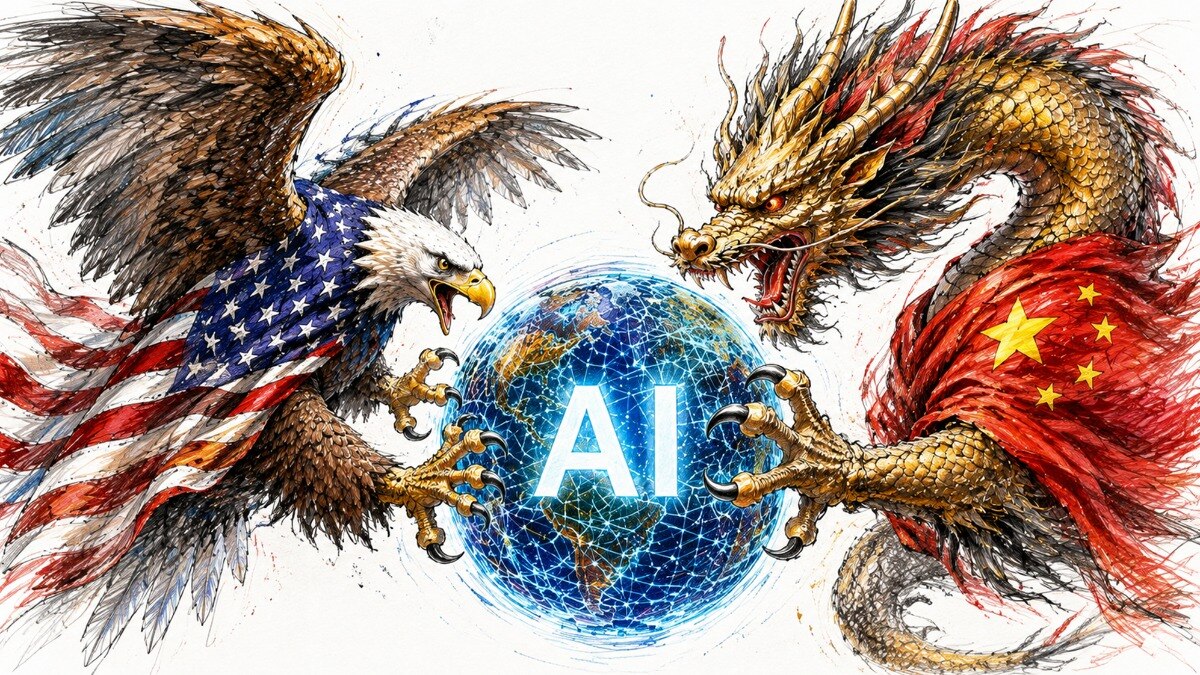
- The case has highlighted challenges for China-born AI companies navigating between overseas expansion and domestic regulation, with experts noting compliance deficiencies and increased scrutiny on investment structures.
China-born AI startup Manus has officially completed its split from Meta Platforms and resumed independent operations as of September 1. The founding members, Xiao Hong, Zhang Tao, and Ji Yichao, are at the helm, focusing on developing general-purpose AI products for a global audience.12
Originally acquired for approximately $2 billion in December 2025, the deal was reversed due to intervention from Chinese authorities, who mandated the unwinding of the transaction amid rising U.S.-China tensions. This regulatory action has underscored the challenges faced by China-born AI companies in balancing overseas ambitions with domestic regulations.8910
Manus aims to operate as an independent AI agent research lab, with plans to advance product development. However, the company has faced some operational hurdles; during the data migration process post-acquisition, some user data was deleted, although this was clarified not to be due to a data breach. Users were advised to back up their data using official tools.
The specifics of Manus's post-restructuring shareholding structure and intellectual property rights division with Meta remain undisclosed. Woody Ye, a partner at Junsheng Consulting, noted that this case highlights the need for better legal compliance and may prompt investors to reconsider their strategies moving forward.67
“During the data migration, some user data generated after Meta's acquisition on December 29, 2025, was deleted between August 23 and 24, though the company said it was not a breach. The post-restructuring shareholding and IP division with Meta remain undisclosed, and experts warn the case highlights compliance challenges for China-born AI firms.”









.png)