- Chevron is expanding its footprint in Venezuela under new agreements that call for more than $7 billion in investment over the next five years and aim to more than double production from its joint ventures in the country.
- The oil giant said Wednesday that the agreements establish updated fiscal, commercial and legal terms for its joint ventures, creating conditions for additional investment, development and production growth.
- Chevron expects the joint ventures to increase production to approximately 600,000 barrels per day, while keeping total costs below $20 per barrel.
- The expansion builds on an April agreement that increased Chevron's working interest in Petroindependencia to 49% and gave the Petropiar joint venture rights to develop the adjacent Ayacucho 8 area.
- Chevron's Petroindependencia joint venture was assigned rights to develop the adjacent Carabobo-1 and Carabobo-2-South-A areas in Venezuela's Orinoco Oil Belt.
- The investment push comes amid a major shift in the U.S.-Venezuela relationship following the January U.S. military operation that captured former Venezuelan President Nicolás Maduro in Caracas.
- Against that backdrop, Chevron credited the Trump administration, including the U.S. Department of Energy, with helping facilitate conditions for further investment and growth in Venezuela.
- Chevron has operated in Venezuela since 1923 and has three joint ventures in the country.
- In January, a U.S. military operation captured former Venezuelan President Nicolás Maduro, who was brought to the U.S. to face drug-trafficking charges.
- Last month, an oil agreement involving approximately 65 billion barrels of proven Venezuelan reserves was announced, with North American Blue Energy Partners receiving 100-year concessions and the U.S. government securing majority ownership.
Chemron's investment of over $7 billion in Venezuela aims to double oil production to 600,000 barrels per day over the next five years. The agreements enhance fiscal, commercial, and legal terms for its joint ventures, allowing for significant growth in production.13
Chevron's production across its Venezuelan joint ventures has already increased by 15% this year. The company has been assigned additional acreage in the Orinoco Oil Belt, specifically in the Carabobo region, where it will expand its Petroindependencia joint venture to include two adjacent areas.8
Chevron Chairman and CEO Mike Wirth stated, "With improved terms and additional acreage, we are strengthening a portfolio that we believe can deliver attractive low-cost oil growth, support energy supply and create differentiated long-term value." The investment comes amid a significant shift in U.S.-Venezuela relations following the capture of former Venezuelan President Nicolás Maduro by U.S. forces.9
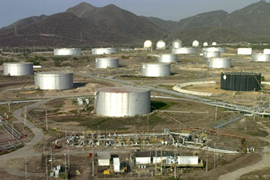
Despite Venezuela's current output of only 1.25 million bpd, down from over 3 million bpd two decades ago, U.S. Energy Secretary Chris Wright anticipates that total oil output could reach 2 million bpd by the end of the decade. Chevron's new agreements are designed to protect long-term investments, with production costs expected to remain below $20 per barrel.
Wirth emphasized the advantages of existing infrastructure, stating, "Our ability to grow at low cost is quite different than if we were going into a greenfield area that didn’t have roads, that didn’t have water, that didn’t have power."
“The expansion builds on an April agreement that raised Chevron's stake in Petroindependencia to 49% and gave Petropiar rights to Ayacucho 8. Venezuela's output is currently only 1.25 million bpd, down from 3 million two decades ago, but U.S. Energy Secretary Chris Wright expects it to reach 2 million bpd by decade's end.”


 foxbusiness.com