- In February, only a month after Maduro’s downfall, the interim president reformed Venezuela’s oil law to make it easier for foreign companies to do business in the country.
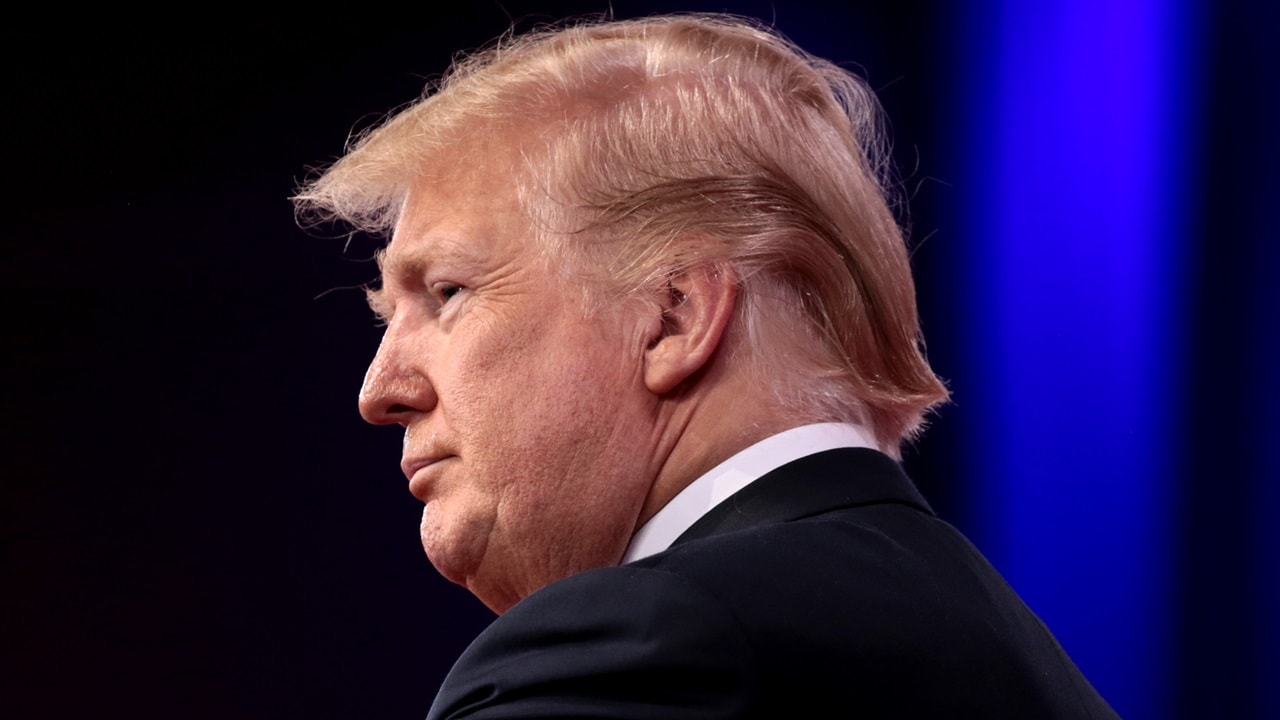
- On Aug. 28, Trump described the oil deal as 'THE BIGGEST OIL DEAL IN WORLD HISTORY!', in which the U.S. government will hold a stake in a private Venezuelan company granted rights to more than a fifth of Venezuela's oil.
- Chevron expands operations in Venezuela following the US oil deal.
- Democratic lawmakers have criticized the deal as corrupt.
- Venezuelans criticize Rodríguez for handing over oil to a foreign power.
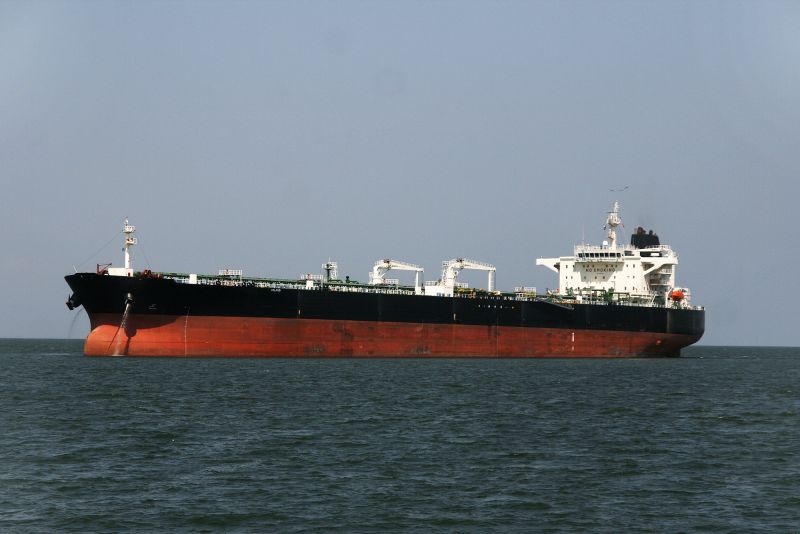
- The United States will reportedly benefit from the deal, making it less costly to refill the Strategic Petroleum Reserve, which is at its lowest level in decades – thanks to the war with Iran.
- In landing such a potentially lucrative energy agreement, Trump might have upended his own Venezuela policy and given himself a big reason to favor the current provisional government in Caracas over any alternative.
- What Trump cares about most in Venezuela and the Western Hemisphere at large is not democracy and human rights, but power and control.
- Trump used to blast Maduro’s Venezuela as a threat in the region, but now he repeatedly praises Rodríguez as a new U.S. partner, despite the Venezuelan government consisting of the very same people, like Interior Minister Diosdado Cabello, who still have power.
Chevron's expansion in Venezuela follows a significant U.S. oil deal, which Trump labeled as 'THE BIGGEST OIL DEAL IN WORLD HISTORY!' This agreement grants the U.S. government a stake in a private Venezuelan company, raising concerns about the implications for democracy in the country.2
Critics, including Democratic lawmakers, have condemned the deal, arguing it supports a corrupt interim government led by Delcy Rodríguez, who succeeded Nicolás Maduro after his extradition to the U.S. Many Venezuelans accuse her of surrendering the nation's oil resources to foreign interests.45
Trump's shift in stance towards Venezuela marks a departure from his previous condemnation of Maduro's regime, which he once described as a 'corrupt' entity in the region. Now, he appears to favor the provisional government in Caracas, prioritizing power and control over democratic values.
The deal has sparked debate about the future of Venezuelan democracy, with critics asserting that it undermines the country's sovereignty and allows corrupt officials to maintain their grip on power. As Chevron moves forward, the implications for both Venezuela and U.S. foreign policy remain to be seen.
“The deal gives the US government a stake in a private Venezuelan company controlling over a fifth of the country's oil, easing refills of the Strategic Petroleum Reserve, which is at its lowest in decades due to the Iran war. Democratic lawmakers and Venezuelans criticize the arrangement as corrupt and as handing the nation's resource to a foreign power.”