Sources: 

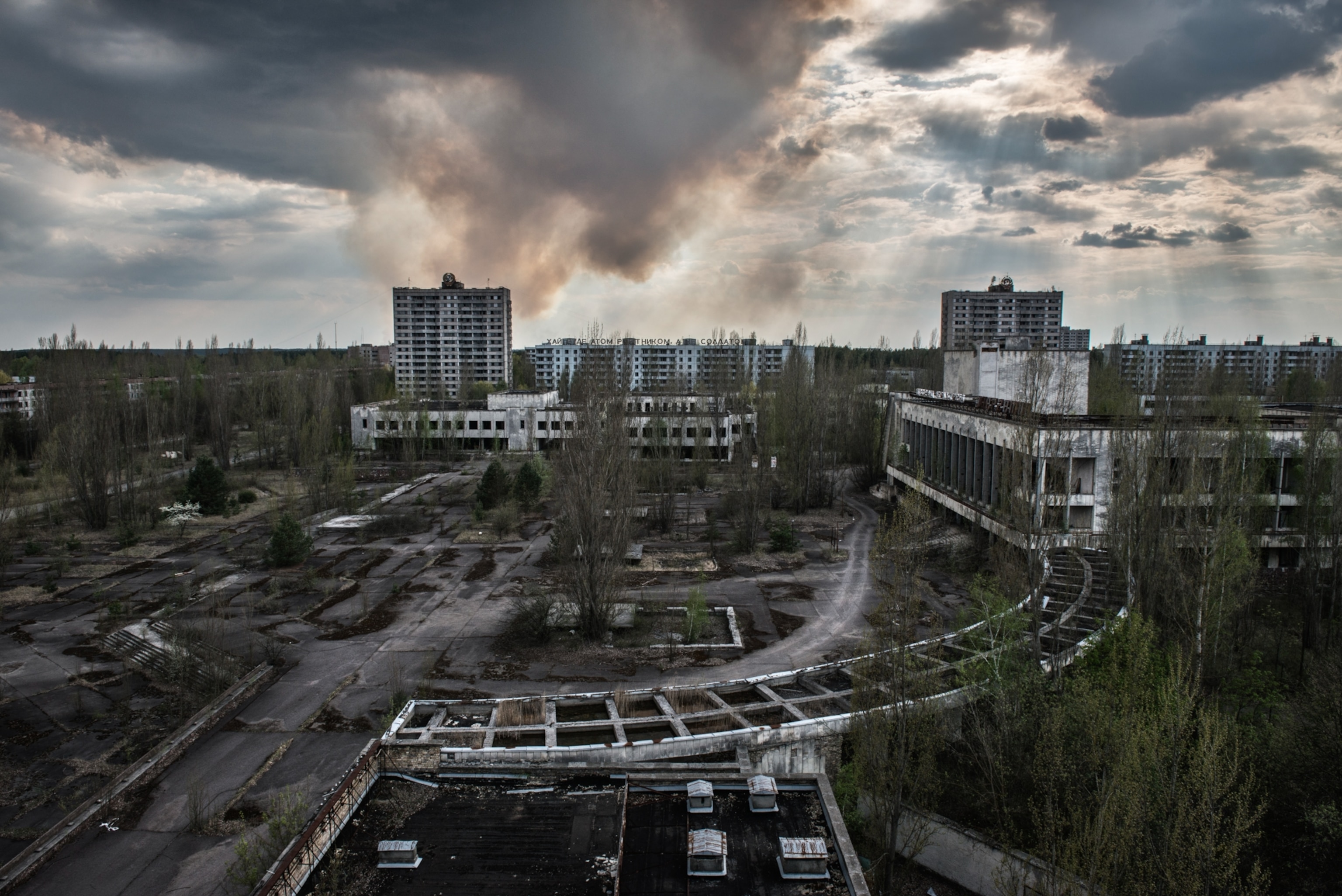
The 40th anniversary of the Chernobyl disaster serves as a poignant reminder of its far-reaching consequences.
In the early hours of April 26, 1986, an explosion at the Chornobyl Nuclear Power Plant led to a catastrophic release of radiation.
Despite international condemnation and the immediate evacuation of surrounding areas,
localized radiation remains a lasting threat.
Over the decades, the Chernobyl Exclusion Zone (CEZ), roughly equivalent to Luxembourg, has been continuously monitored and is currently home to ongoing cleanup efforts projected to extend until
2065.
Workers known as liquidators, numbering around
600,000 over the years, played a critical role in these efforts, cleaning up the most hazardous materials.
Many of these workers returned for the anniversary, with testimonies reflecting their mixed emotions. Volodymyr Vechirko, 62, expressed,
“It’s incredibly sad to compare what this place was to what it is now.” Oleksii Harbuz, 72, stated,
“This 40th anniversary represents both a deep tragedy and a vital chance to reunite with my brothers-in-arms.” Meanwhile, ongoing health issues persist, with studies indicating that children in surrounding areas suffer from
cardiovascular disease and other ailments related to radiation exposure. The World Health Organization predicts up to
4,000 deaths from cancer linked to the disaster, although precise figures are disputed.
Access to the CEZ has tightened since the Russian invasion, complicating the cleanup and memorialization of this tragic event.
Sources: 
As Chernobyl marks 40 years since the disaster, memories of liquidators and returning residents highlight the ongoing cleanup efforts expected to last into the 2060s. The lingering impacts of radiation continue to affect health, while geopolitical tensions complicate access to the site.