- 2026 has been a year of extremes – frost, hail, wildfires, droughts and record-breaking heat.
- Champagne producers are racing to pick grapes as the region’s earliest harvest on record gets underway, after accelerated ripening, leaving growers a narrow window to preserve the quality of the region’s world-famous sparkling wine.
- David Chatillon, president of the Union of Champagne Houses, acknowledged weather conditions this year will lead to a clear decrease in yields. He stated, “We lost 43% of the potential production to the spring frosts, and the drought has clearly made the problem of lower yields even worse.”
- Climate change has had a devastating effect on the 2026 vintage, especially in France, Spain and the US.
- Early bud breaks followed by frost or hail on the East Coast and in France caused upwards of 90 percent primary bud damage in hard-hit pockets of New York, Virginia, Burgundy and beyond.
- Wildfires across France and Spain devoured hundreds of thousands of acres, threatening prime wine-growing regions across Provence, Avila and Cebreros.
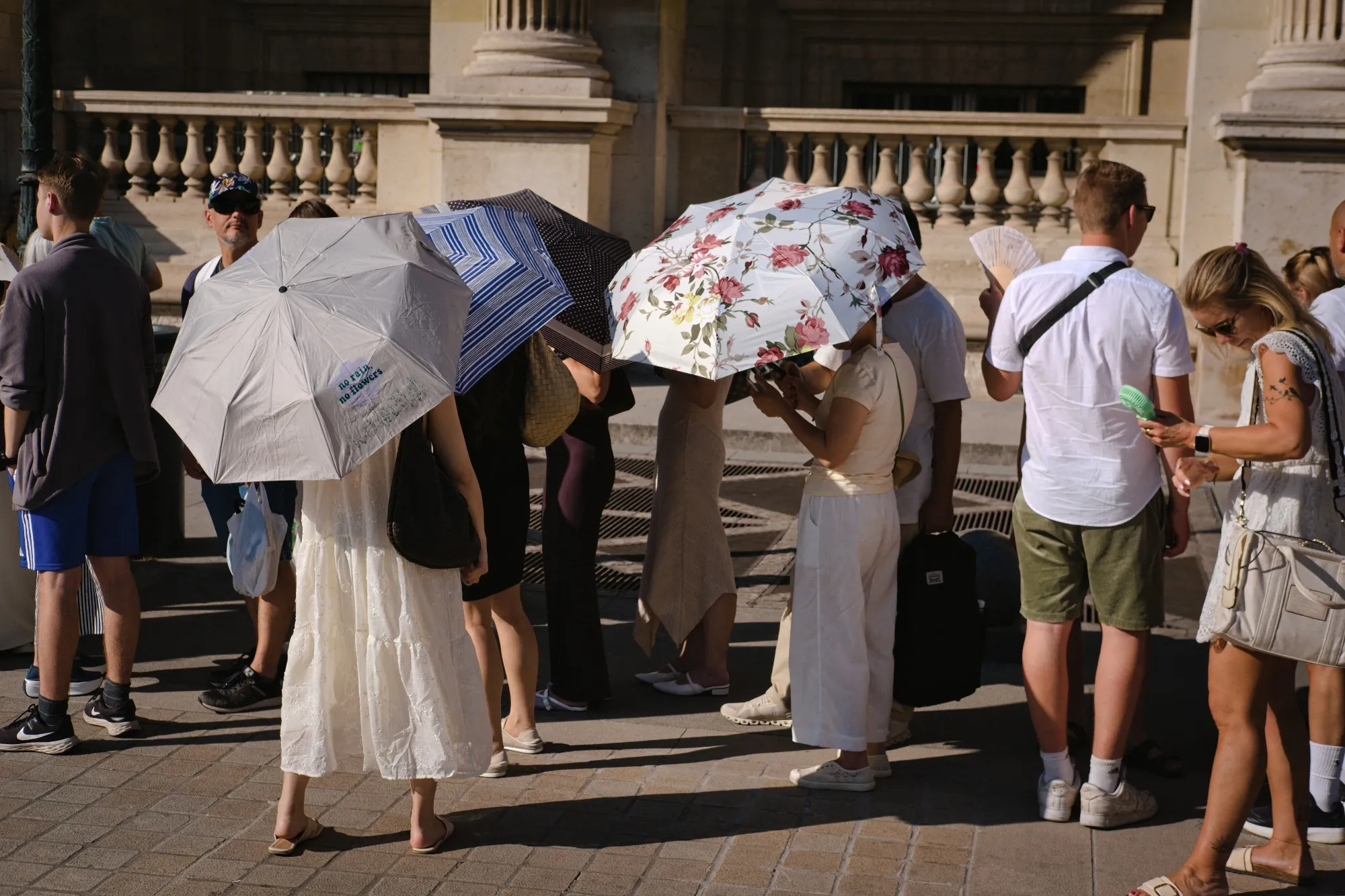
- This summer’s record temperatures compressed the ripening period even further, with temperatures reaching 40 degrees Celsius (104 degrees Fahrenheit) in parts of Champagne.
Champagne producers are grappling with the effects of climate change in 2026, facing record early harvests due to extreme weather conditions.
This year has seen frost, hail, wildfires, droughts, and record-breaking heat, significantly impacting the quality and quantity of the vintage.
Early bud breaks followed by frost caused upwards of 90 percent primary bud damage in regions like New York and Burgundy. Wildfires have threatened prime wine-growing areas, while humidity has led to severe powdery mildew issues.
Alexandre Gobillard, production director at Gobillard & Fils, noted, “It’s historic in Champagne. I’ve been working at the estate for 30 years... Today, it’s Aug. 18 and we’re in full harvest. We’ve never seen anything like it.”
The spring frosts alone reduced potential production by 43%, compounded by drought conditions. David Chatillon, president of the Union of Champagne Houses, stated, “It’s not just because of the drought... the drought has clearly made the problem of lower yields even worse.”3
This summer’s record temperatures compressed the ripening period, with parts of Champagne reaching 40 degrees Celsius (104 degrees Fahrenheit). Gobillard aims to complete the harvest in about nine days, employing around 120 workers from France and Poland.7
According to the Comité Champagne’s 2026 report, 266.1 million bottles of Champagne were shipped last year, generating 5.7 billion euros ($6.6 billion) in sales.
“This year, early bud breaks followed by frost and heat waves have led to a 43% loss in potential production, according to David Chatillon. Additionally, the Comité Champagne reported that 266.1 million bottles were shipped last year, generating €5.7 billion in sales, highlighting the economic stakes of this vintage.”