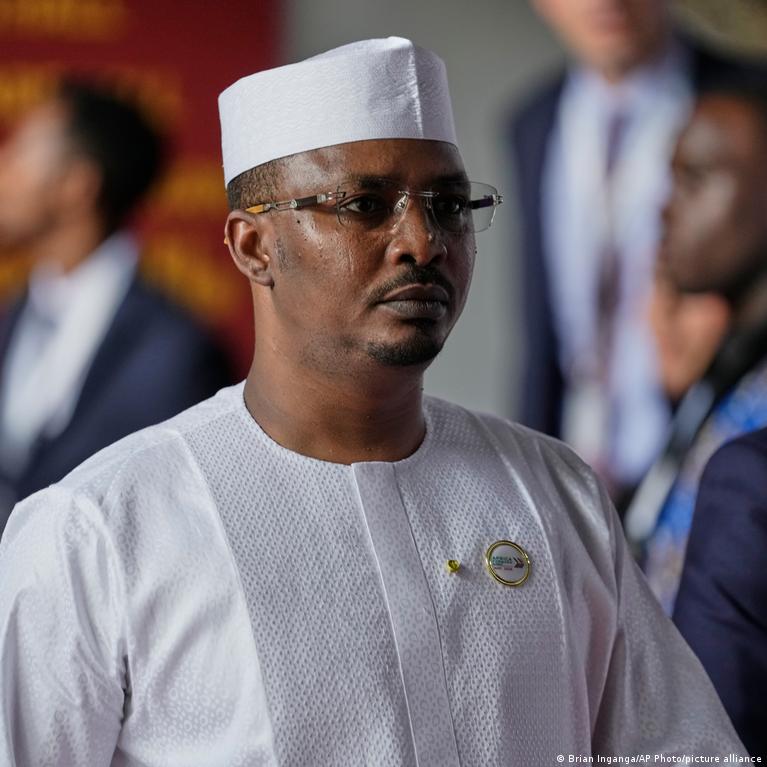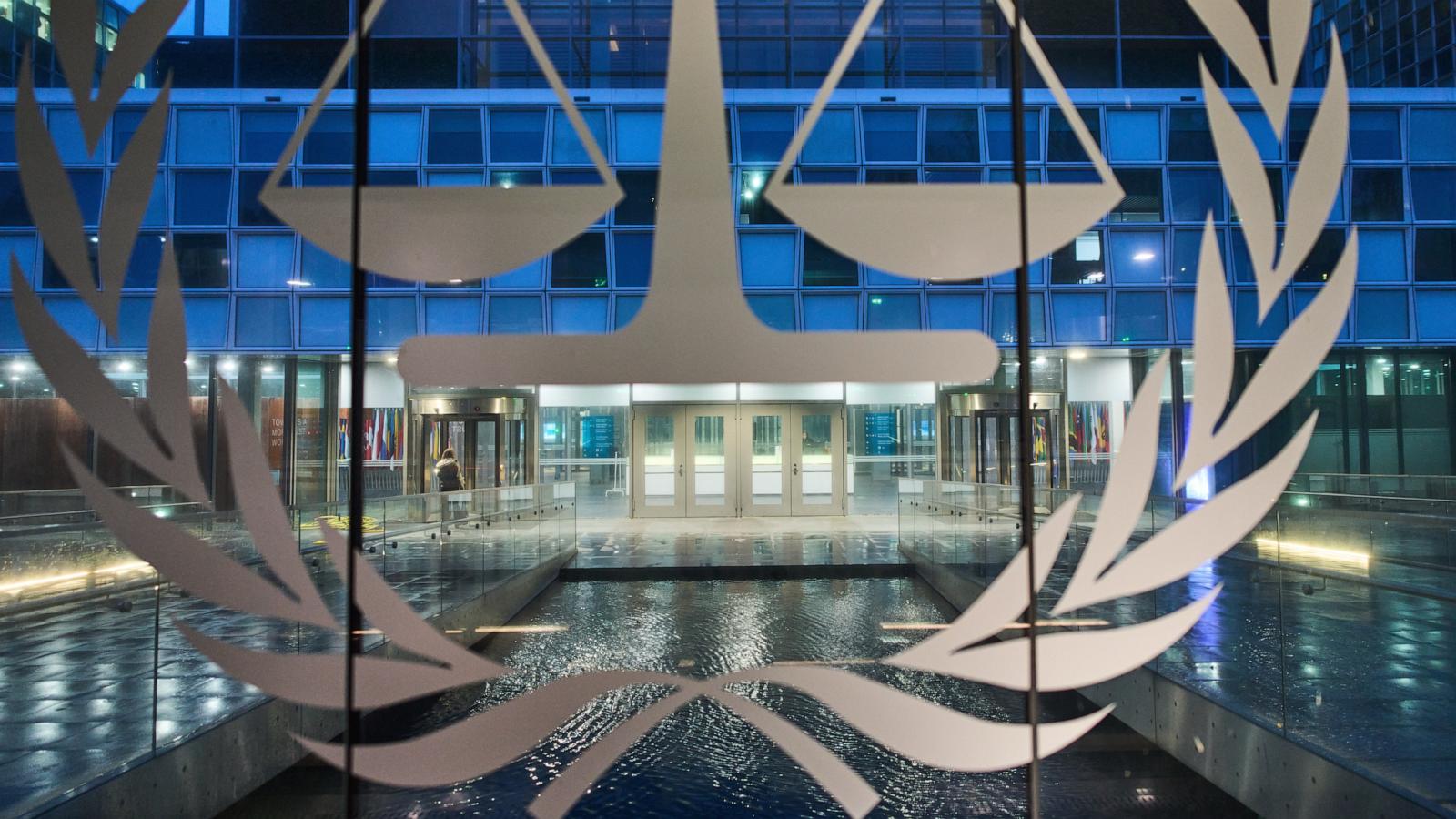
- Chad submitted a letter to the United Nations to begin withdrawing from the court, which was established to prosecute people responsible for humanity’s worst crimes under its foundational treaty, the Rome Statute.
- The United States welcomes Chad’s decision to withdraw from the ICC and join the growing number of nations reclaiming their sovereignty from this flawed institution.
- The withdrawal process takes at least a year.
- Chad was the fourth African country since 2025 to begin withdrawing from the ICC.
Chad has officially begun the process of withdrawing from the International Criminal Court (ICC), citing claims of ineffectiveness and bias against African nations. The announcement was made on Monday, with Chad submitting a formal letter to the United Nations to initiate the withdrawal, which is expected to take at least a year.134
This decision marks a significant shift, as Chad becomes the fourth African country since 2025 to take such a step. The ICC, established to prosecute individuals for serious international crimes under the Rome Statute, has faced increasing scrutiny and criticism from various nations, particularly in Africa.
The United States has welcomed Chad's decision, viewing it as part of a larger movement among nations to reclaim their sovereignty from what they perceive as a flawed institution. This sentiment reflects a growing discontent with the ICC's operations and its perceived bias against African countries.2
As the withdrawal process unfolds, it remains to be seen how this will impact Chad's international relations and its stance on human rights issues moving forward.
“Chad submitted a letter to the United Nations to initiate the withdrawal process, which takes at least a year. Since 2025, Chad is the fourth African country to begin withdrawing from the ICC, reflecting a trend among nations reassessing their relationship with the court.”
 ABC News - Breaking News, Latest News and Videos