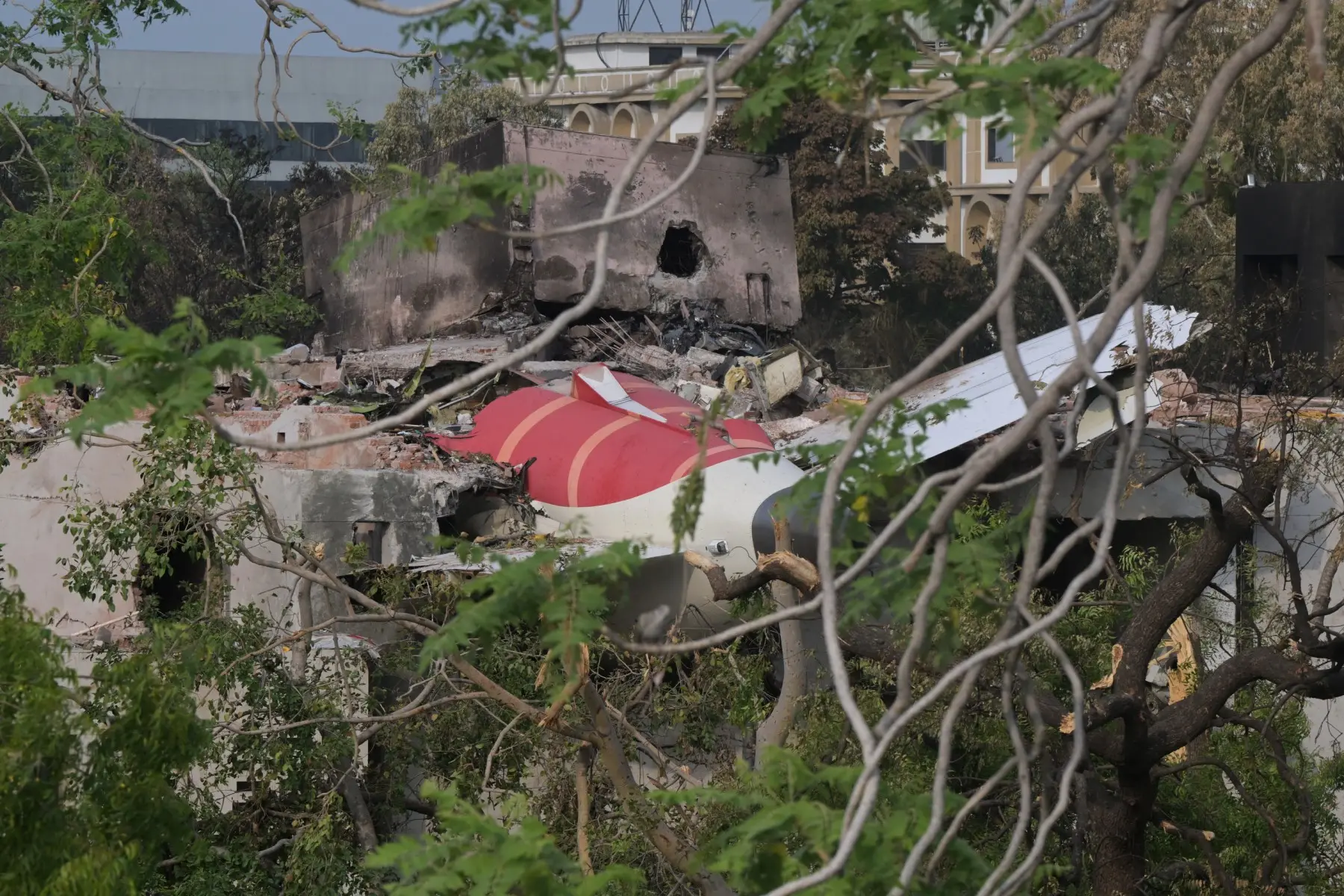
- On June 12, 2025, Air India Flight AI-171 crashed in Ahmedabad, resulting in the deaths of 260 people shortly after takeoff.
- In response to petitions filed in the Supreme Court seeking a court-monitored probe and the disclosure of cockpit recordings, the AAIB filed a counter affidavit.
- The Supreme Court has sought a status report from the AAIB regarding the investigation into the crash.
- The AAIB opposed the court-monitored probe, asserting that the investigation is being conducted under a complete statutory framework and that sensitive records are confidential.
- The AAIB informed the court that a draft final report is expected by October 2026, with the investigation anticipated to be completed within six weeks.
- The AAIB stated that the law governing aircraft accident investigations gives it exclusive authority to probe such incidents and prohibits the disclosure of protected investigation material.
- According to Rule 17 of the 2025 Rules, cockpit voice recordings and other sensitive materials cannot be disclosed unless the Central Government decides otherwise.
- The AAIB emphasized that the investigation is being conducted in accordance with international aviation treaties, including the Chicago Convention and ICAO Annex 13.
The Aircraft Accident Investigation Bureau (AAIB) has informed the Supreme Court that it is on track to complete its investigation into the June 12, 2025, crash of Air India Flight AI-171, which resulted in the deaths of 260 people, by October 2026.1234568

The AAIB has opposed calls for a court-monitored inquiry, stating that the current investigation is comprehensive and adheres to international aviation standards. The bureau emphasized that Rule 17(5) of the Aircraft (Investigation of Accidents and Incidents) Rules, 2025 prohibits the public disclosure of sensitive materials, including cockpit voice recordings, to ensure witness cooperation and the integrity of the investigation.7

In its affidavit, the AAIB stated, “These protections serve a critical purpose: they preserve the candour of witnesses, the independence of investigators, the integrity of the no-blame investigation process.” The agency has completed 49 out of 66 mandatory investigative steps as prescribed under ICAO Annex 13 and is collaborating with international agencies, including the U.S. National Transportation Safety Board and technical advisers from Boeing and GE Aerospace.
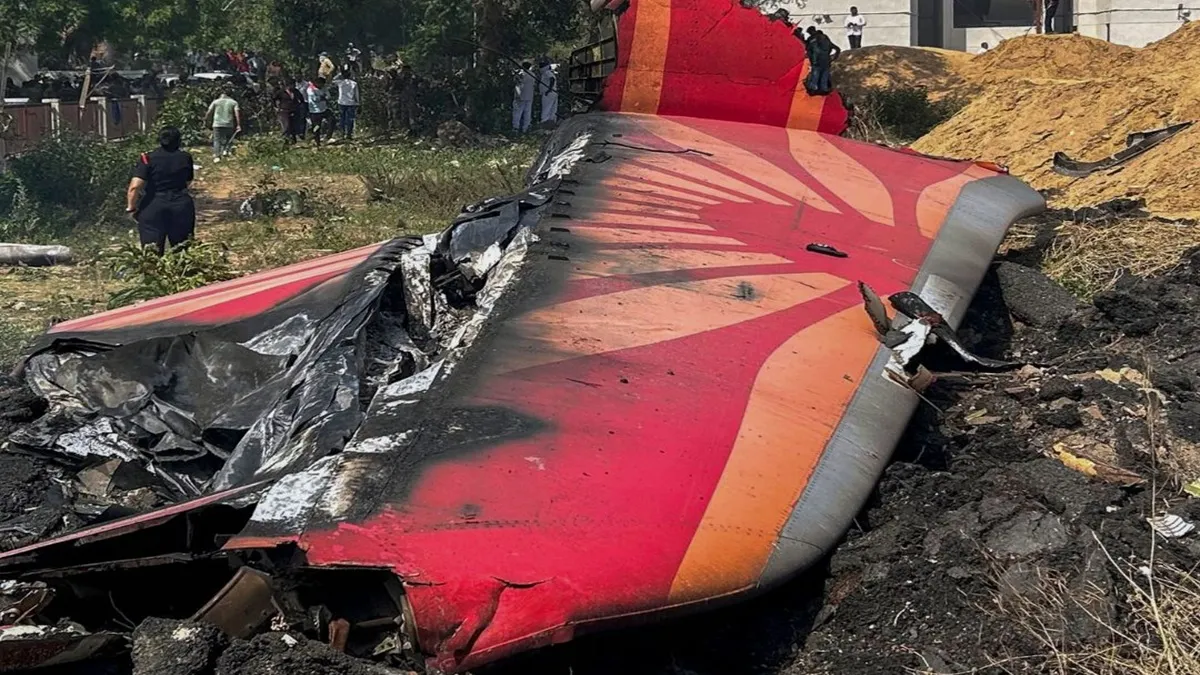
The AAIB's investigation is crucial not only for determining the causes of the crash but also for enhancing aviation safety. The bureau has stated that the ongoing inquiry is in line with India's obligations under international aviation treaties, leaving “no lacuna” that would necessitate judicial intervention.
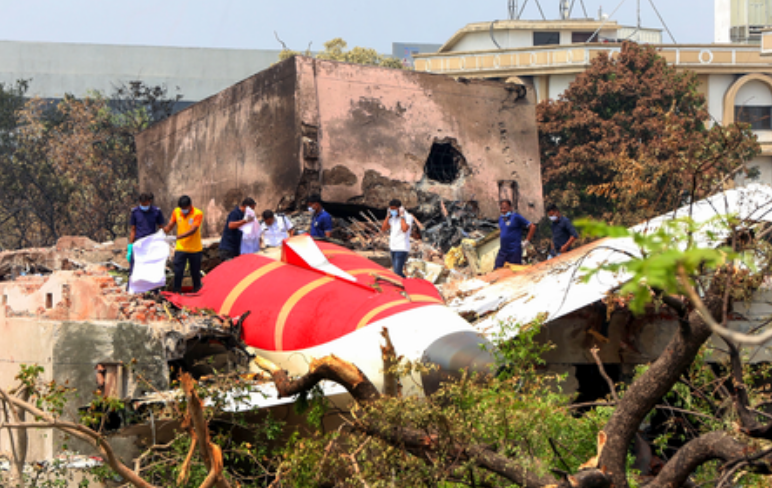
The AAIB's response comes amid petitions filed by relatives of victims, including Pushkar Raj Sabharwal, who have raised concerns about the investigation's transparency and the composition of the investigative team.
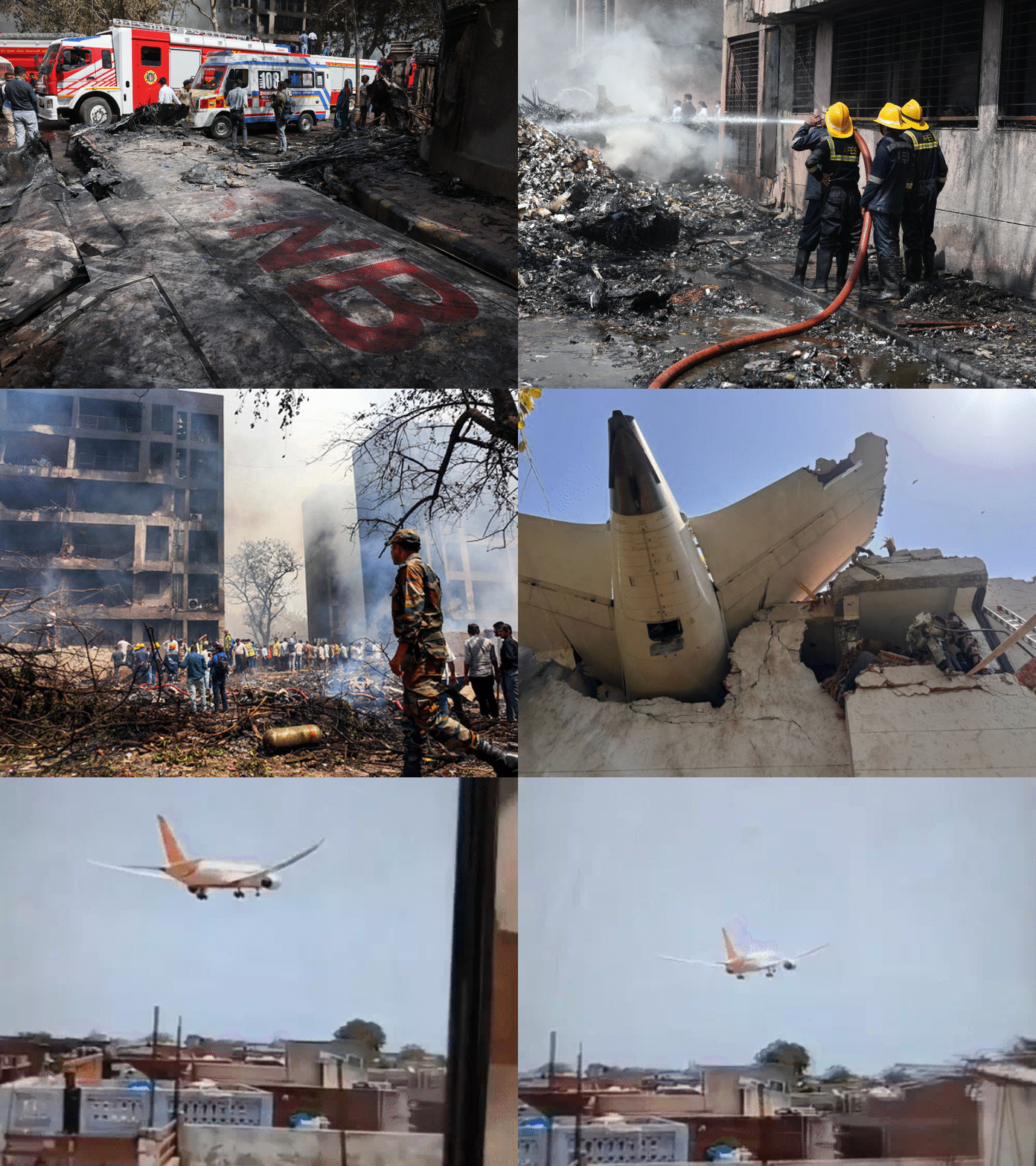
The AAIB concluded that the investigation is being conducted in full compliance with regulations, aiming solely to improve aviation safety and prevent future accidents.
“The affidavit, filed in response to petitions including one from the father of the deceased pilot, notes that 49 of 66 mandatory investigative steps under ICAO Annex 13 are complete. The AAIB also cited international precedents like Japan Airlines Flight 516 to justify the timeline, with the NTSB, Boeing, and GE Aerospace participating as technical advisers.”
 India TV News
 INDIA New England News



