- The Foreign Contribution (Regulation) Amendment Bill, 2026 was introduced in the Lok Sabha on March 25, 2026, proposing tighter government oversight on NGOs and foreign funding.
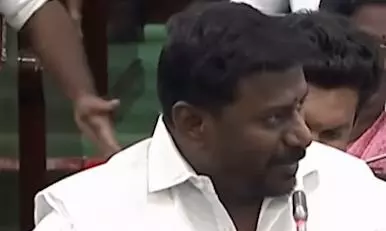
- The TVK government in Tamil Nadu has introduced a resolution in the Assembly urging the Union government to withdraw the bill, citing concerns over its impact on charitable organisations.
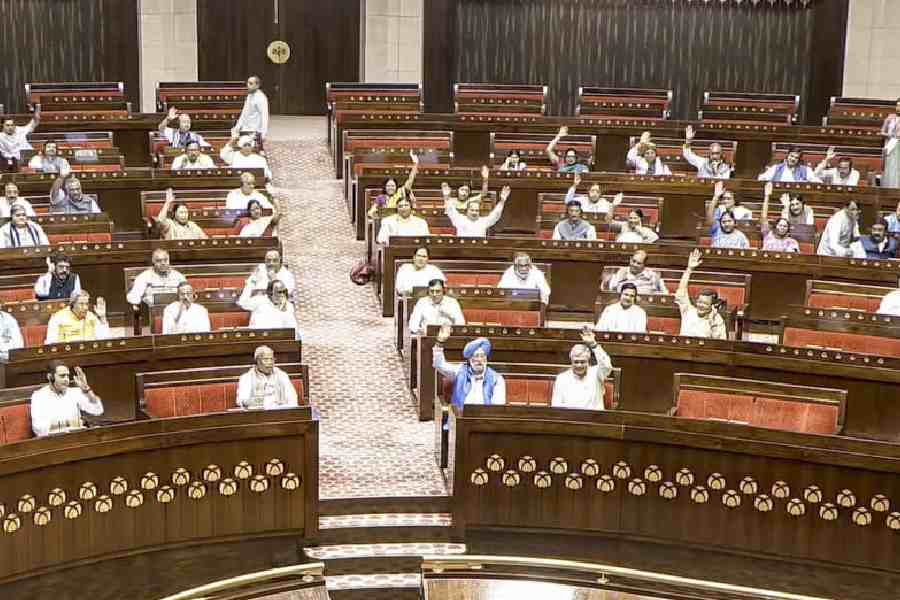
- Opposition parties, including Congress, TMC, and DMK, have demanded the withdrawal of the bill, while BJD has suggested it be sent to a joint committee for further scrutiny.
- The government is considering sending the bill to a joint committee of both houses of Parliament, with a motion potentially being brought in the Lok Sabha on Wednesday.
- Thousands protested in Aizawl, Mizoram, against the bill, organized by the Council of Churches in Mizoram, expressing concerns over its implications for religious minorities.
- The FCRA Amendment Bill seeks to create a designated authority to manage and dispose of assets if an organisation loses its FCRA licence, raising concerns about its impact on NGOs.
- Opposition parties allege that the bill targets minorities and could choke legitimate funding for Christian NGOs and minority-run institutions.
- The government has clarified that the proposed legislation is not religion-specific and aims to regulate foreign contributions.
The Indian government is contemplating sending the Foreign Contribution (Regulation) Amendment Bill, 2026, to a joint committee of Parliament amid significant pushback from opposition parties and widespread protests in Mizoram.15
The Tamil Nadu Assembly recently saw the introduction of a resolution urging the Union government to withdraw the bill, which critics argue could undermine the autonomy of charitable organizations, particularly those serving minorities. School Education Minister Rajmohan emphasized that the bill's provisions could adversely affect educational and social welfare institutions run by minorities.29
The bill, introduced in the Lok Sabha on March 25, aims to tighten government oversight on NGOs and foreign funding, proposing the establishment of a designated authority to manage assets of organizations that lose their FCRA licenses. Opposition parties, including Congress and TMC, have raised concerns that the bill specifically targets minority-run NGOs, potentially choking legitimate funding sources.34
In Mizoram, thousands rallied against the bill, organized by the Council of Churches in Mizoram, which includes major denominations like the Presbyterian Church of India. Protesters voiced their opposition, claiming the bill could lead to the seizure of church and NGO assets. CCM president Rev Dr R Lalbiakliana warned that the bill undermines constitutional safeguards for religious minorities.67
As the government weighs its options, the debate continues over the balance between regulatory oversight and the protection of minority rights in India.
“The TVK government's resolution, introduced by Minister Rajmohan, argues the bill could harm minority-run educational and social welfare institutions. In Mizoram, CCM president Rev Dr R Lalbiakliana claimed the bill's Chapter 3A could allow asset seizure without court permission, citing retrospective effects.”


 deccanchronicle.com



