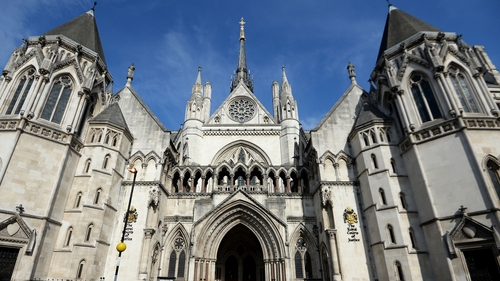
- A famous man has lost his bid for an injunction in the UK against two media organisations to prevent the publication of allegations including sexual misconduct against him, but cannot yet be named as he can take his case to the Court of Appeal.
- Lawyers for the media organisations previously told the High Court in London the allegations they want to report involve the man's alleged "abuse of power and status" to contact young women and try to engage in "inappropriate and exploitative sexual activities".
- Mr Justice Nicklin did not determine whether any of the allegations ITN and GNM plan to publish, which also includes "potential criminal activity", are true.
- Mr Justice Nicklin continued that the man has repeatedly said he intends to take his own life if the allegations are published, and that this must be taken seriously, but he added that these statements do not "establish that suicide is inevitable".
- Mr Justice Nicklin said: "His prediction of his own future conduct is made in the context of depressive illness, hopelessness and catastrophic thinking."
- Mr Justice Nicklin also said that granting the injunction would not treat the man's psychiatric condition or eliminate his elevated risk, and added: "The evidence does not identify a point at which publication would become safe merely through the passage of time."
A famous man has lost his legal battle in the UK to prevent media outlets from publishing allegations of sexual misconduct against him. The High Court's ruling allows Independent Television News (ITN) and Guardian News and Media (GNM) to report on the claims, which include abuse of power and status to engage in inappropriate sexual activities with young women.1
The man, who has not been named, argued that the publication of these allegations could lead to his suicide, citing two previous attempts. However, Mr Justice Nicklin dismissed his request for an injunction, stating it would constitute an exceptionally serious interference with freedom of expression. The judge emphasized that while the man's mental health concerns are serious, they do not justify the injunction.
In his 52-page judgment, Justice Nicklin noted that the man's claims of suicidal intent must be taken seriously but added that they do not prove that suicide is inevitable. He remarked, “His prediction of his own future conduct is made in the context of depressive illness, hopelessness and catastrophic thinking.” The judge concluded that granting the injunction would not address the man's psychiatric condition or reduce his risk of suicide, stating, “The evidence does not identify a point at which publication would become safe merely through the passage of time.”
“The judge did not rule on the truth of the allegations, which include 'potential criminal activity' and alleged 'abuse of power and status' to contact young women. He also noted the man's repeated suicide threats, but said they do not 'establish that suicide is inevitable'.”