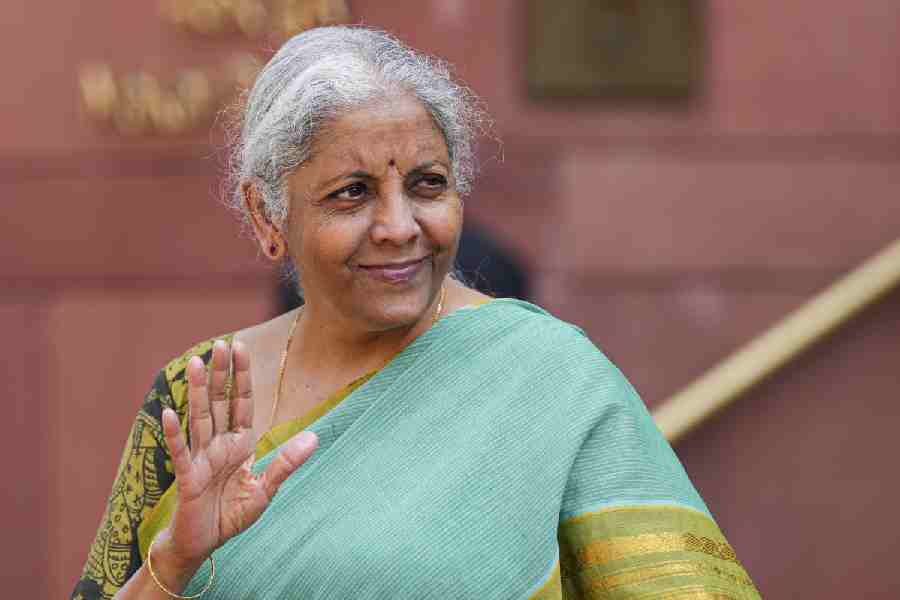
- Nirmala Sitharaman called for an early and amicable resolution of the differences between Tata Sons and its largest shareholder, Tata Trusts, stating that the issue is critical to the Indian economy and should not spill into the public domain.
- Sitharaman described the matter as sensitive and urged both sides to engage in discussions to restore normalcy at the earliest.
- She emphasized that the dispute is a critical component of the Indian economy and must be settled amicably among themselves.
- Sitharaman criticized the Congress for politicizing the matter and declined to comment on whether the government would intervene.
- Tensions within the Tata Group had been building for months before becoming public, particularly following a September 17 board meeting.
- The Reserve Bank of India rejected Tata Sons' request to deregister as a core investment company, which influenced the board's decisions.
- At the September 17 board meeting, Tata Sons reappointed Chandrasekaran as chairman, with Noel Tata voting against the decision.
- The internal disagreements within the Tata Group center around the reappointment of chairman N Chandrasekaran and the potential stock market listing of Tata Sons.
- The RBI's regulatory framework requires such entities to list within three years of their identification, adding pressure to the situation.
Finance Minister Nirmala Sitharaman has called for a swift and amicable resolution to the internal disputes within the Tata Group, particularly between Tata Sons and its largest shareholder, Tata Trusts. She emphasized that the ongoing disagreements are critical to the Indian economy and should not be aired publicly.15
Sitharaman stated, "This is a very critical component to Indian economy and therefore, it has to be amicably settled among themselves... It cannot be spilling out like this in the public." Her remarks come in light of tensions that escalated following a September 17 board meeting where significant decisions regarding the future of Tata Sons were made, including the reappointment of N Chandrasekaran as chairman and the initiation of a stock market listing.378
The Finance Minister highlighted the importance of commercial acumen and cordiality among stakeholders, urging both parties to engage in discussions to restore normalcy. She noted, "I think these are very delicate matters... Business cordiality will have to work." The internal conflict has significant implications, as Tata Trusts holds approximately 66 percent of Tata Sons, giving it substantial influence over the conglomerate's direction.
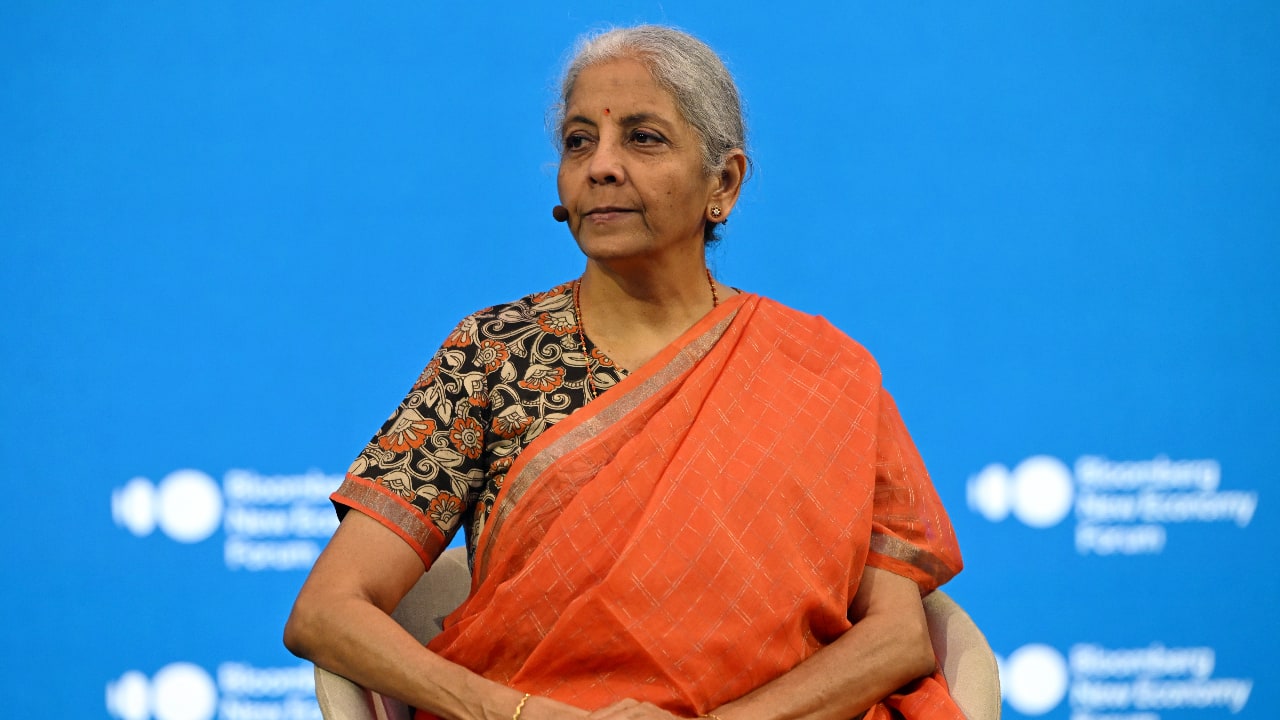
Sitharaman also criticized political parties, particularly the Congress, for politicizing the issue, stating that such matters should be resolved internally rather than through public confrontation. She expressed hope that the leadership would resolve their differences soon, reiterating the need for maturity in handling the situation.4
The Tata Group, a cornerstone of the Indian economy, is facing a pivotal moment as it navigates these internal challenges, with the potential for broader economic repercussions if not resolved swiftly.
“The split follows a September 17 board meeting where Tata Sons, led by N Chandrasekaran, decided to proceed with a listing per RBI mandate and reappointed Chandrasekaran; Noel Tata and Tata Trusts' second nominee director Venu Srinivasan voted differently. Sitharaman also criticized Congress for politicizing the matter.”