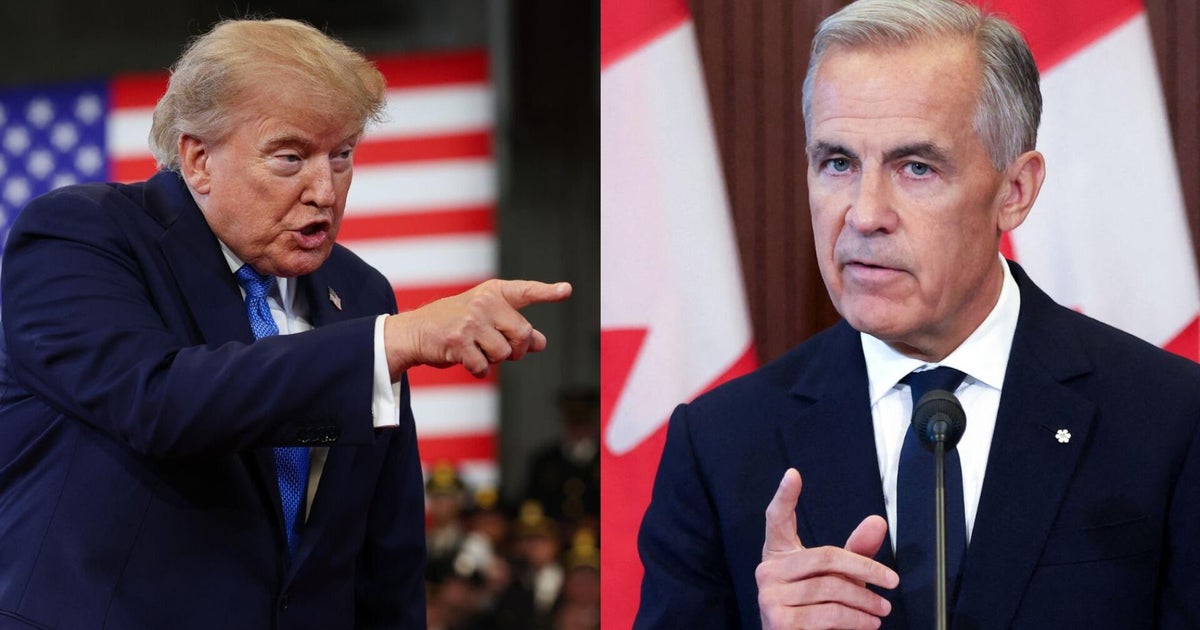
- The U.S. has imposed new 50% tariffs on certain Canadian goods.
- In response, Canada has announced retaliatory tariffs on about $20 billion worth of American imports, including steel, dairy, appliances, and farm equipment.
- Canadian industry minister Melanie Joly stated that the tariffs are designed to target U.S. states and exert political pressure.
- The tariffs, set at rates of 15%, 25%, and 50%, are scheduled to take effect on Sept. 8, less than two months before the U.S. general election.
- Analysts believe that the two countries will eventually strike a deal to end the ongoing trade conflict.
- The import duties will impact a wide range of products, including American-made cheddar cheese and steel, potentially hurting producers in Wisconsin and Vermont.
- States with large manufacturing sectors like Michigan and Indiana are likely to feel a bigger impact from the tariffs than agricultural states.
- Canada is the top customer for exports from 27 U.S. states, with North Dakota being the most reliant on trade with Canada, although its agricultural exports are exempt from the new tariffs.
- The timing of the tariffs is significant, as it is less than two months before the U.S. general election, which is not lost on the Canadians.
Canada's retaliatory tariffs, set to take effect on Sept. 8, target U.S. states with competitive midterm elections, aiming to exert political pressure on the Trump administration. The tariffs, which range from 15% to 50%, will impact a variety of products, including steel, aluminum, and dairy.12346
According to Canadian trade officials, the tariffs are strategically designed to affect states like Michigan and Indiana, which have significant manufacturing sectors reliant on exports to Canada. Melanie Joly, Canada's industry minister, stated, "We are picking products that will target states in the U.S. We're being wise and strategic to put political pressure, and that's why we think it's the right thing to do right now."7

Economists suggest that the tariffs could hit the Midwest and Northeast particularly hard, as these regions are home to many industries affected by the new duties. Ed Gresser, director for trade and global markets at the Progressive Policy Institute, noted that the timing of the tariffs is significant, stating, "That timing is not lost on the Canadians."9
The tariffs are expected to impact over $20 billion worth of American imports, with Canada being the top customer for exports from 27 U.S. states. While agricultural states like North Dakota may be less affected, states with large manufacturing sectors are likely to feel a more substantial impact.8
As the U.S. general election approaches, the implications of these tariffs could play a crucial role in shaping the political landscape in key battleground states.
“Canadian industry minister Melanie Joly said the tariffs are 'strategic' to put political pressure on the U.S., picking products that will hit states like Maine, where Sen. Susan Collins faces a competitive race. Economists say manufacturing states like Michigan and Indiana will feel a bigger impact than agricultural states like North Dakota.”


 CBS News
 AP News