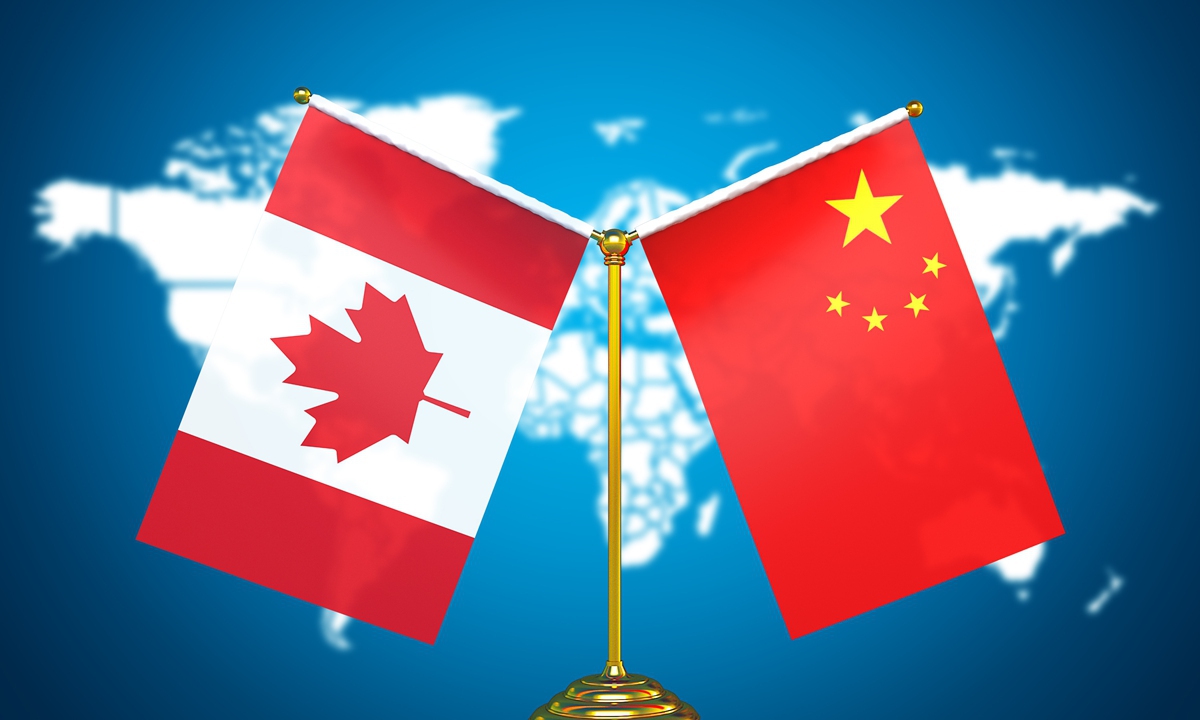
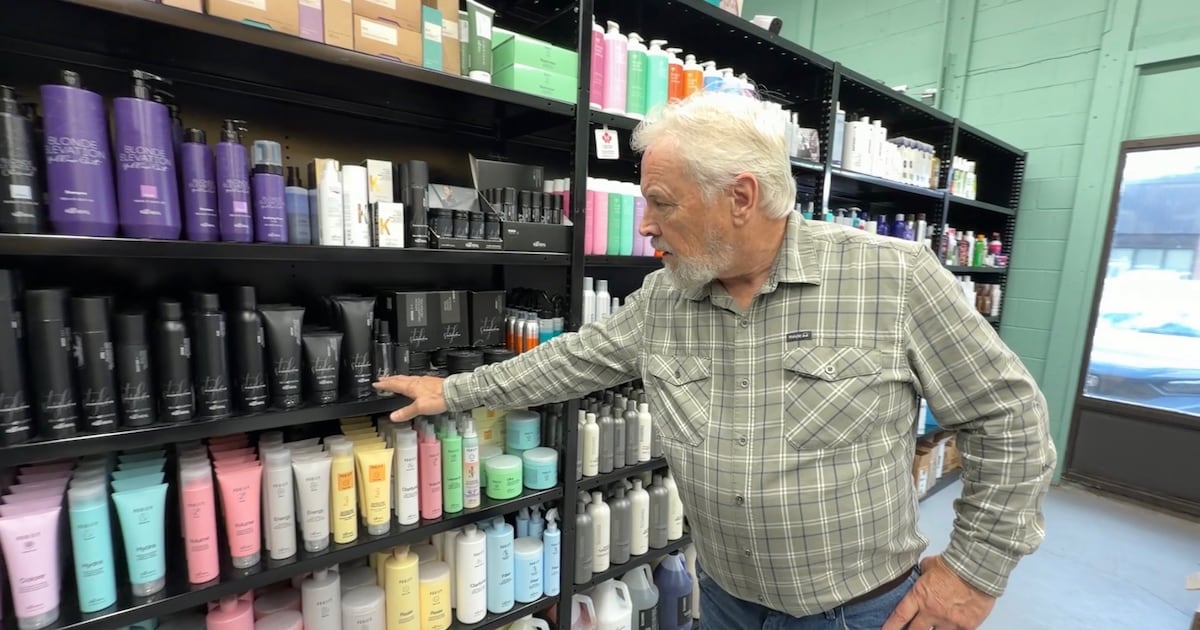
- On Tuesday, Canada's retaliatory tariffs on US goods took effect, including 25% on softwood, 50% on steel and aluminum products, and 50% on beauty products such as perfumes and makeup.
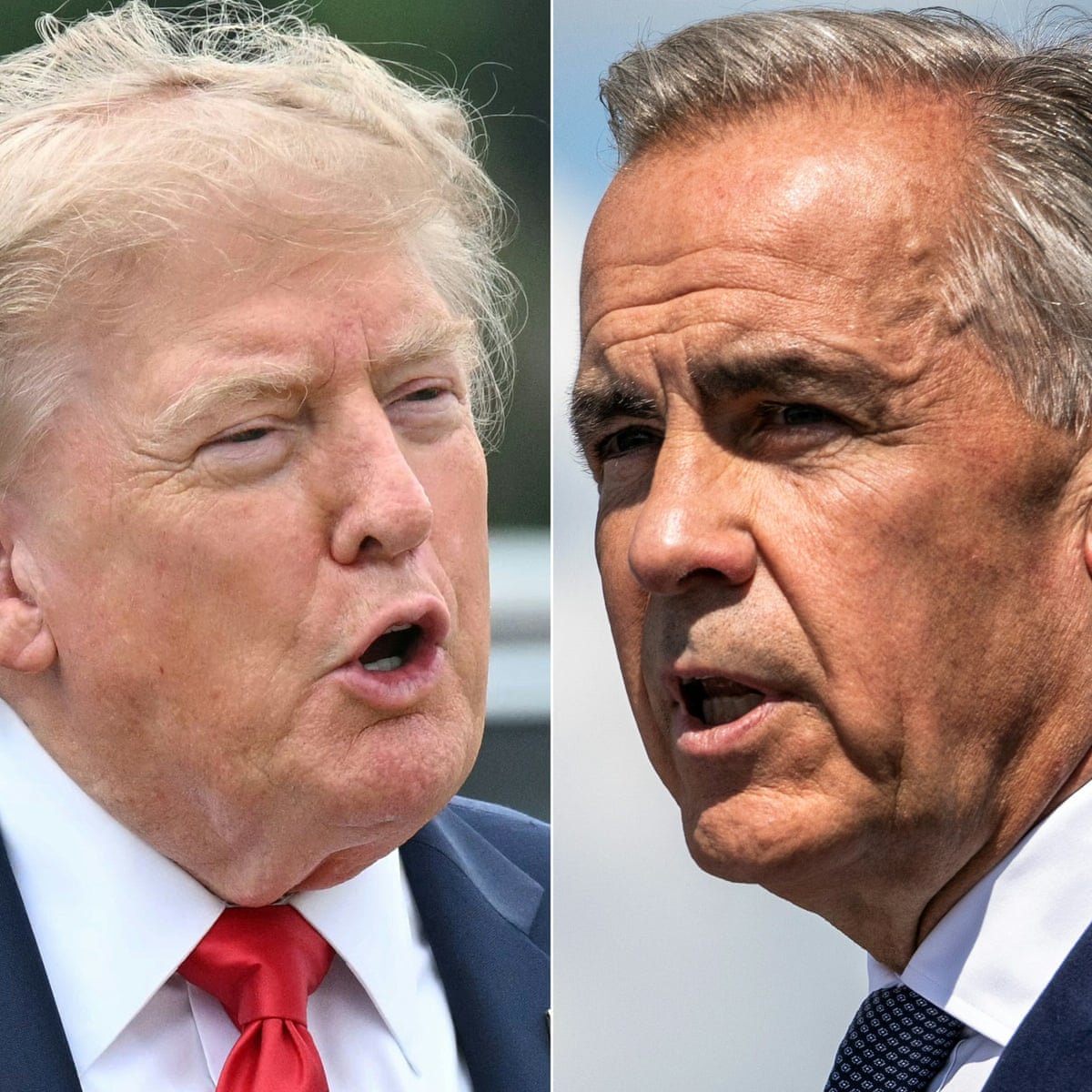
- U.S. President Donald Trump signed five executive orders on Tuesday that will ban the import of certain Canadian products, including certain alcohols, dairy products and motorcycles, effective Sept. 29.
- Trump directed the General Services Administration (GSA) to remove Canadian-origin products from procurement schedules unless Canada restores full and fair reciprocity for American farmers and companies.
- Prime Minister Mark Carney warned that the pivot away from the U.S. will come at a cost, but reiterated Canada’s plan to respond with retaliatory tariffs that kicked in just after midnight.
- US Treasury Secretary Scott Bessent criticized Carney, stating he 'needs to stop campaigning and start governing,' amid the escalating trade tensions.
- Last month, Prime Minister Mark Carney rejected a deal that could have normalized U.S. trade relations, leading to new U.S. tariffs and Canadian retaliation.
- The Canadian government has stated that the counter-tariffs will affect more than 700 products and will launch a $5.42bn support package for affected small and medium-sized businesses and workers.
- A new poll by the think tank Build Canada indicates that while Canadians broadly support 'holding firm' in a trade war with the U.S., support drops sharply when they are asked to pay for it.
- 56 per cent of respondents called an extra $500 per year to hold the line 'unacceptable,' which would amount to about a one per cent tax increase for the average Canadian household.
- 68 per cent of respondents found it 'unacceptable' for Ottawa’s trade war prosecution to come at the cost of 'increased household job-loss risk.'
- Only 20 per cent of respondents said Canada should 'make concessions' to maintain trade access to the U.S., while the majority preferred to 'hold firm.'
- Build Canada’s analysis noted a tension between Canada’s preferred negotiating position and Canadians’ acceptance of its economic consequences.
- Transport Minister Steven MacKinnon stated that the U.S. government has not communicated through official channels about Trump’s threat to block Bombardier jet sales.
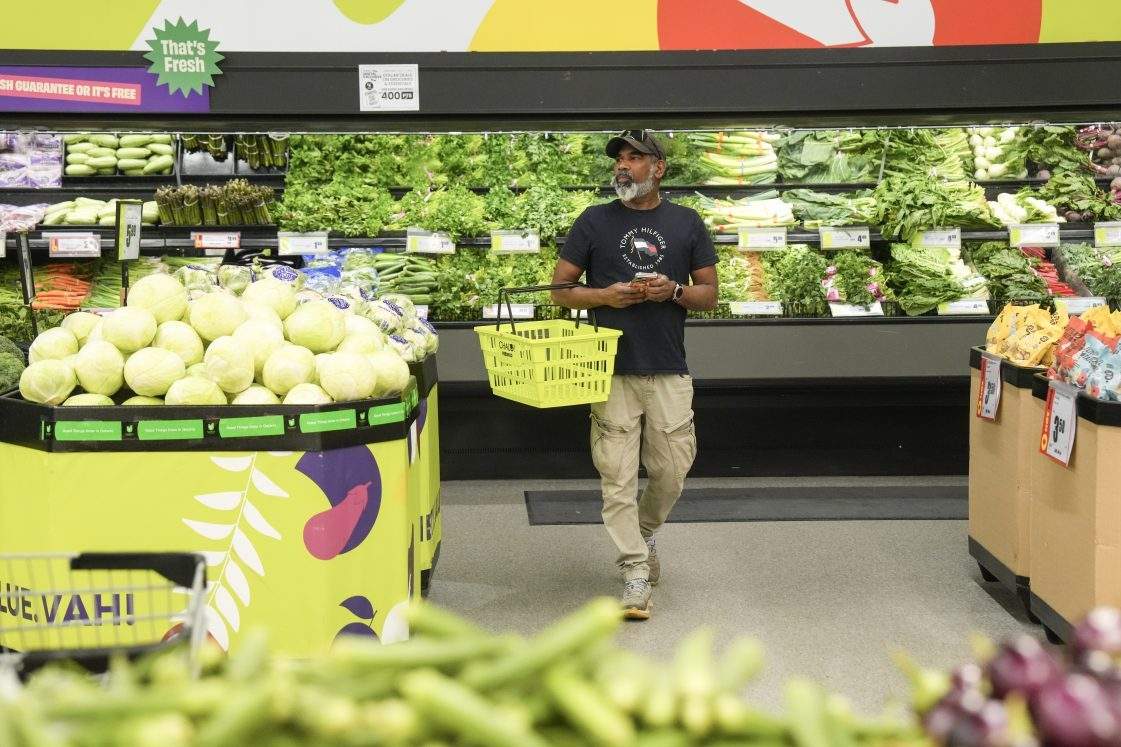
- An appliance retailer in B.C. is stocking up on U.S.-made products, with owner Lazar Ilic saying suppliers warned prices could rise 30 to 50 per cent starting Oct. 1.
Canada's retaliatory tariffs on U.S. imports, effective as of Tuesday, target nearly $20 billion worth of goods, including steel and household appliances, in response to U.S. tariffs. Prime Minister Mark Carney emphasized the need for a strategic pivot, stating, “That pivot will come at a cost.”123781011
The tariffs match U.S. levies on Canadian products, which began on August 22. In a show of escalating tensions, President Trump signed executive orders banning imports of Canadian alcohol, dairy, and motorcycles, effective September 29. He stated that “NO RECIPROCITY – NO ACCESS,” blocking Canadian products from U.S. government contracts.
The Canadian government plans to support affected businesses with a $5.42 billion package, as the tariffs impact over 700 products. A recent poll revealed that while Canadians support a firm stance in the trade war, 56% find it unacceptable to pay an extra $500 annually to maintain trade positions. 68% oppose risking job losses for trade strategies.12
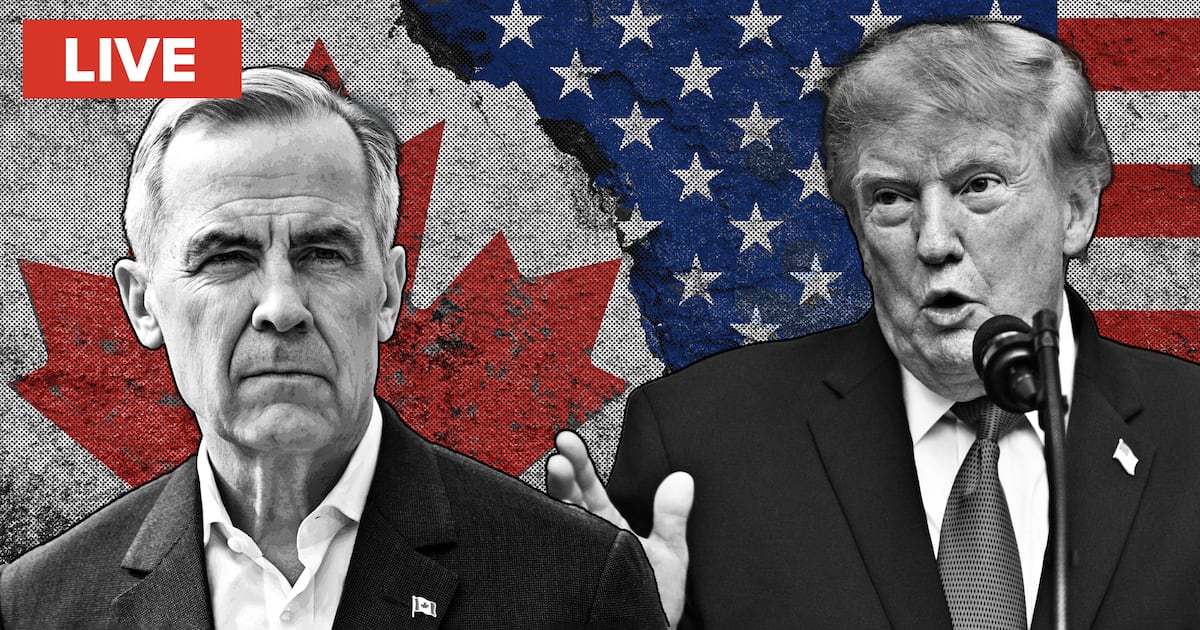
Carney has indicated that Canada will not return to negotiations until at least the end of Trump's term in 2029, aiming to emerge stronger from the trade conflict. The tariffs include a 50% tax on U.S. aluminum and steel products, and a 25% tax on softwood lumber. As tensions rise, Canada is also exploring alliances with the European Union to counterbalance U.S. influence.
“Trump directed the GSA to remove Canadian-origin products from federal procurement schedules, and Treasury Secretary Bessent accused Carney of needing to 'stop campaigning and start governing.' A Build Canada poll found 56% of Canadians call an extra $500 per year to hold the line 'unacceptable.'”