- The U.S. imposed 50% tariffs on some $20 billion of Canadian goods last month after negotiations collapsed.
- In response, Canada has imposed countertariffs on $20 billion of U.S. goods with duties ranging from 15% to 50%.
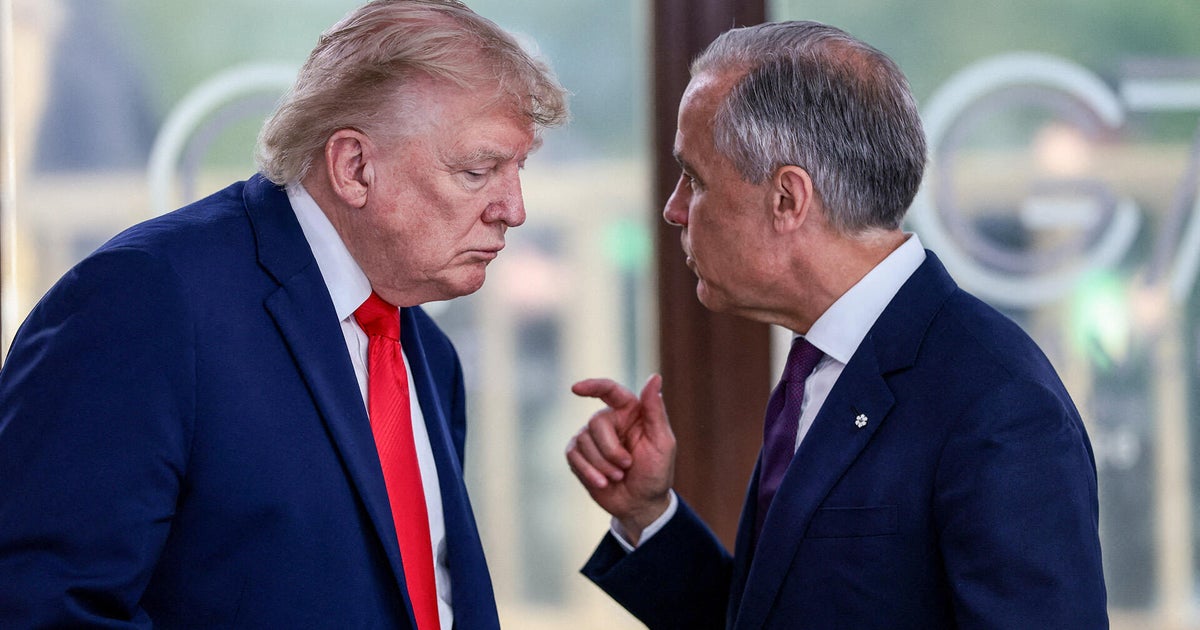
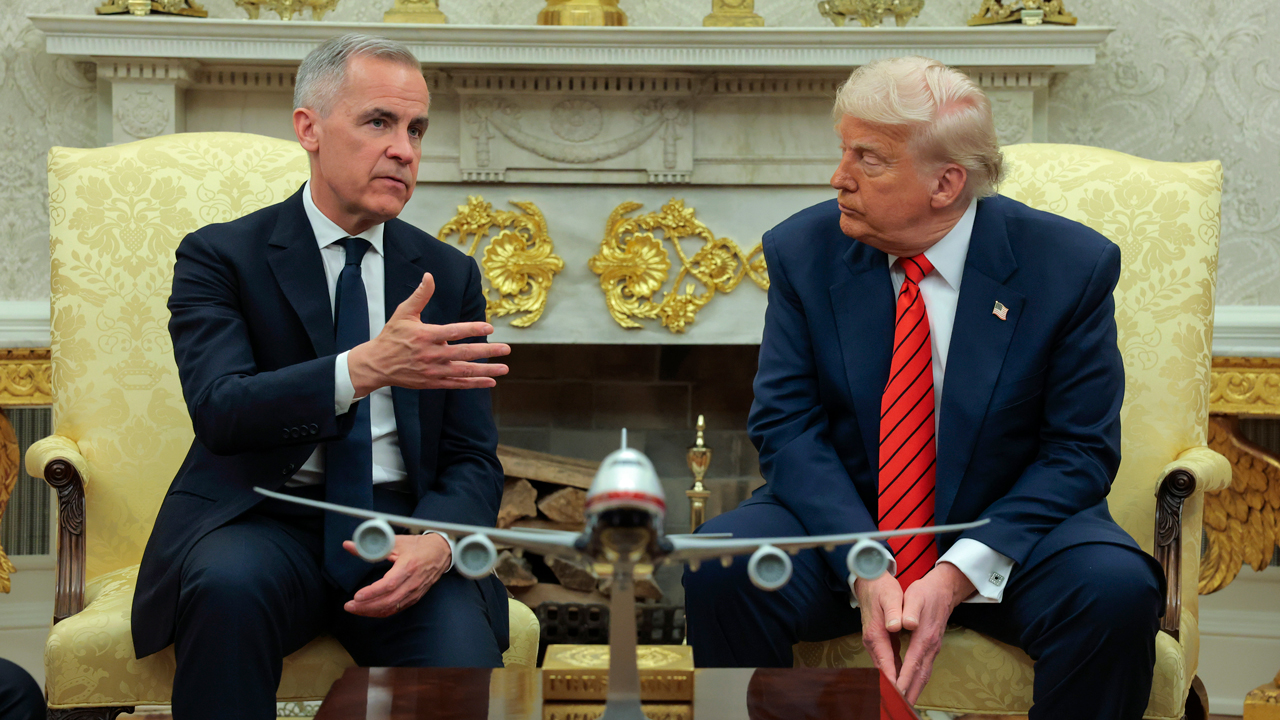
- These new duties intensify an 18-month-old trade war and have spurred Canadian Prime Minister Mark Carney to urge a further shift away from the country's biggest trading partner.
- The breakdown has widened a rift between the longtime allies, both of whom have blamed the other for the failed talks.
- This escalation follows the opening of a border crossing in Detroit meant to support the economic partnership between the two nations.
- Chrystia Freeland previously negotiated with Trump regarding trade agreements between Canada and the U.S.
Canada's countertariffs on U.S. goods, effective Sept. 8, escalate an ongoing trade war that has lasted 18 months. The new duties, which range from 15% to 50%, impact over 600 product categories, including metals, textiles, and dairy products, threatening to raise costs for both businesses and consumers.12
These tariffs cover approximately $20 billion of U.S. goods, following a similar move by the United States that imposed 50% tariffs on Canadian products last month after failed negotiations. The breakdown in talks has deepened the rift between the two nations, with both sides blaming each other for the collapse.4
Canadian Prime Minister Mark Carney has called for a shift away from reliance on the U.S., highlighting the need for Canada to diversify its trade partnerships. This escalation comes just after the reopening of the border crossing in Detroit, which was intended to bolster economic ties between the two countries.35
As the trade conflict continues, the impact on consumers and businesses is becoming increasingly evident, with many fearing higher prices and reduced availability of goods.
“The levies affect more than 600 product categories, from steel and aluminum to dairy, with duties ranging from 15% to 50%. The breakdown follows the collapse of several negotiation rounds and has widened a rift between the longtime allies, each blaming the other.”